
×
GreekEnglish

×
  • Politics
  • Diaspora
  • World
  • Lifestyle
  • Travel
  • Culture
  • Sports
  • Cooking
Monday
12
Jan 2026
weather symbol
Athens 6°C
  • Home
  • Politics
  • Economy
  • World
  • Diaspora
  • Lifestyle
  • Travel
  • Culture
  • Sports
  • Mediterranean Cooking
  • Weather
Contact follow Protothema:
Powered by Cloudevo
> Politics

Number of Students in Greek Schools to Drop 30% by 2035

The decrease in birthrate in Greece after the onset of the financial crisis amounts to almost 30 percent overall

Newsroom January 2 04:20

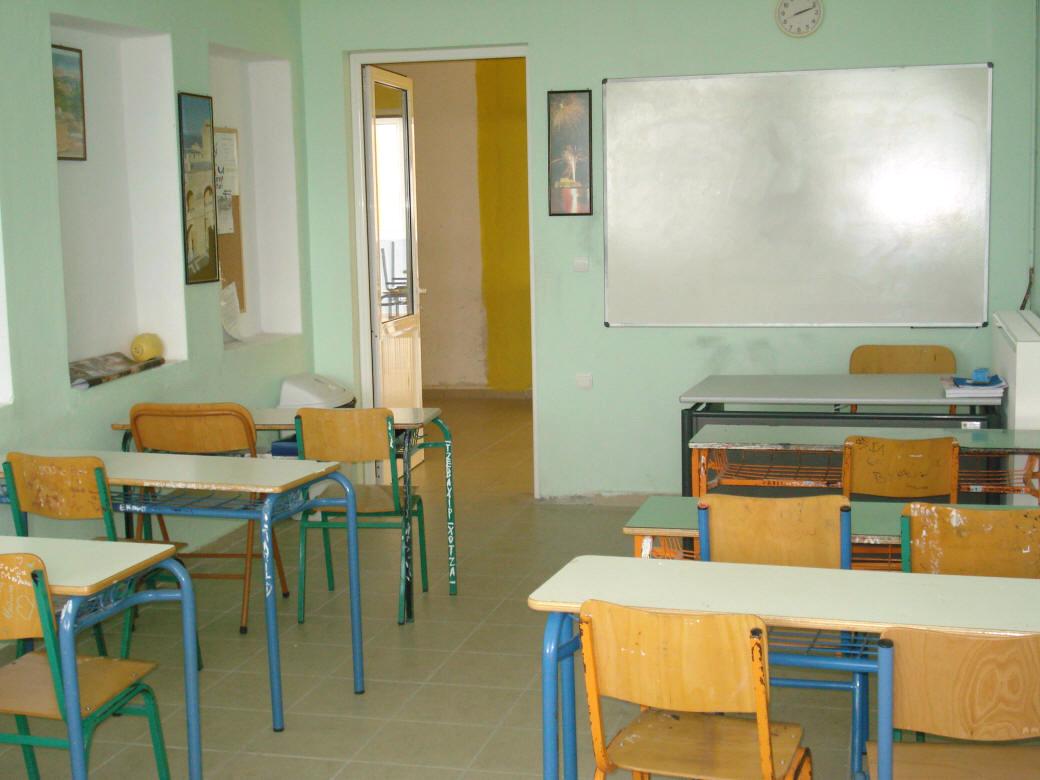
The number of students in Greek schools will decrease nearly 30 percent by 2035, with the largest drop in absolute figures being recorded in primary schools, according to a Foundation for Economic and Industrial Research (IOBE) study on Greek education.

It is estimated that while there were 1.48 million students in 2008, as a result of a reduction in the birth rate since the financial crisis, only 1.05 million children will be attending kindergarten, elementary school, junior high school and high school.

Indicative of the decline is the 6% drop recorded in the number of primary school children over the last five years. In absolute numbers, there were 108,500 pupils in Greek primary schools in 2013 and only 102,000 in 2017.

According to the IOBE report, the downward trend which was in effect from 2013-2018 was temporarily reversed in 2014, when children born in 2008 went to elementary school. The year that they were born is considered to be the last year of a “mini-boom” in births in Greece.

The steep decline is also reflected in secondary education. There were 71,800 high school graduates who claimed a spot at universities in 2008. By the year 2035 this number is predicted to drop by 24.5 percent to 54,200. The numbers of those admitted to tertiary education would drop by 23.8 percent, representing a total of 51,800 students.

However, the most significant impact of the economic crisis on education is reflected in the reduction of the total student population, which has occurred since the beginning of the crisis. From a total of 1.53 million students in 2000, the number of pupils dropped to 1.49 million in 2009, which represents a decrease of 3.1 percent.

There were a total of 1.44 million students in Greece in 2016, which represents a decrease of 5.9 percent since the year 2000.

This development is due to several factors. An “out-migration” of foreign families occurred after the crisis, when between 2011 and 2015 the number of repatriated and foreign students dropped 55.9 percent, from 159,500 to 70,300.

There was also a marked decrease in the Greek birth rate since 2010, which became even worse from the year 2012 onward, with the exception of 2016, when the rate increased compared to the previous year.

>Related articles

In the shadow of the bribery video, Christodoulides’ wife resigns from the Independent Social Support Agency, denounces “relentless” attacks

Urgent Weather Alert from the Hellenic National Meteorological Service: Severe cold wave from this afternoon – Areas where snowfall is expected

Mitsotakis’ first review for 2026: The international community cannot ignore authoritarian regimes

The decrease in birthrate in Greece after the onset of the financial crisis amounts to almost 30 percent overall. There were 118,300 births in the nation in 2008 and only 88,500 in 2017.

These staggering numbers have already begun to be reflected in the number of children in kindergarten, who numbered 162,000 in 2014 but only 155,200 in 2015. Enrollment in the first grades of elementary school also mirrors the decline, from a level of 107,200 in 2016 down to just 101,900 in 2017.

Source: Philip Chrysopoulos/greekreporter

Ask me anything

Explore related questions
#birth rate#children#demographic problem#greece#greek#politics#population replacement#schools
> More Politics

Follow en.protothema.gr on Google News and be the first to know all the news

See all the latest News from Greece and the World, the moment they happen, at en.protothema.gr

> Latest Stories

Ecumenical Patriarch comments on ‘bad omen’ after knife mishap at pie-cutting ceremony

January 12, 2026

Maria Karystianou’s political move divides opinion — Criticisms after early acclaim

January 12, 2026

Golden Globes: Paul Thomas Anderson’s ‘One Battle After Another’ and Netflix’s ‘Adolescence’ dominate the awards

January 12, 2026

Rubina Aminian: The 23-year-old student who was shot at point-blank range by Iran’s security forces

January 12, 2026

Why Mitsotakis agreed to two meetings with farmers and livestock breeders

January 12, 2026

Bloodshed in Iran: Over 500 dead in protests as Trump weighs “Very strong options” for intervention

January 12, 2026

Severe cold wave hits Greece: Snow expected – Weather in Attica

January 12, 2026

Hits on Russian Lukoil oil platforms from Ukraine

January 11, 2026
All News

> Politics

Maria Karystianou’s political move divides opinion — Criticisms after early acclaim

She draws substantial support from Zoi, Velopoulos, and Tsipras, threatening to push PASOK down to third or even fourth place. There are talks of Farantouris possibly being exempted from the ‘no old politicians’ rule. Meanwhile, Famellos and Karteros have launched the first attacks

January 12, 2026

Why Mitsotakis agreed to two meetings with farmers and livestock breeders

January 12, 2026

In the shadow of the bribery video, Christodoulides’ wife resigns from the Independent Social Support Agency, denounces “relentless” attacks

January 11, 2026

Mitsotakis’ first review for 2026: The international community cannot ignore authoritarian regimes

January 11, 2026

“Yes” to dialogue, “no” to Tuesday’s rally, farmers decide

January 10, 2026
Homepage
PERSONAL DATA PROTECTION POLICY COOKIES POLICY TERM OF USE
Powered by Cloudevo
Copyright © 2026 Πρώτο Θέμα