

×
GreekEnglish

×
  • Politics
  • Diaspora
  • World
  • Lifestyle
  • Travel
  • Culture
  • Sports
  • Cooking
Monday
12
Jan 2026
weather symbol
Athens 6°C
  • Home
  • Politics
  • Economy
  • World
  • Diaspora
  • Lifestyle
  • Travel
  • Culture
  • Sports
  • Mediterranean Cooking
  • Weather
Contact follow Protothema:
Powered by Cloudevo
> World

How the skull of humanity’s oldest known ancestor is changing our understanding of evolution

Discoveries all over the world in the last decade have led to a complete rethinking of our evolutionary past

Newsroom September 6 09:33

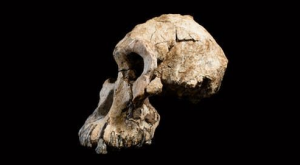
The recent discovery of a 3.8m-year-old cranium (skull without the lower jaw) is the hottest topic of conversation among palaeoanthropologists right now. But fossils are found all the time, so why is the cranium of this small, old man so important? It turns out the discovery is changing our view of how early hominin species evolved – and how they led to humans. To understand how, let’s start at the beginning.

>Related articles

Hits on Russian Lukoil oil platforms from Ukraine

Cartel de los Soles at the Presidential Palace of Caracas: The drug-trafficking network that Chávez set up with Sinaloa and that kept Maduro in power

Trump “weighs” a strike on Iran: Military not ready, fears of retaliation – “Foreign terrorists” kill civilians & burn mosques, Pezeshkian says

In 1995, researchers found several partial jaws, isolated teeth and limb bones in Kenya, dated between 4.2m and 3.9m years old, and assigned them to a brand new species: Australopithecus anamensis. All these fossils were found in sediments associated with an ancient lake – “anam”, which means lake in the local language. A number of additional specimens were then found in Ethiopia, thought to belong to the same species.

The primitive features of A. anamensis have led to the widespread view that this species is the ancestor of Australopithecus afarensis, a younger hominin from Tanzania, Ethiopia and perhaps Kenya, dated between 3.8m and 3m years old. The most iconic fossil of A. afarensis is probably the partial skeleton known as Lucy, which was for a long time viewed as the oldest known human ancestor.

Read more HERE

Ask me anything

Explore related questions

#ancestor#discoveries#dna#evolution#humanity#humans#kenya#science#skull#technology#world
> More World

Follow en.protothema.gr on Google News and be the first to know all the news

See all the latest News from Greece and the World, the moment they happen, at en.protothema.gr

> Latest Stories

Maria Karystianou’s political move divides opinion — Criticisms after early acclaim

January 12, 2026

Golden Globes: Paul Thomas Anderson’s ‘One Battle After Another’ and Netflix’s ‘Adolescence’ dominate the awards

January 12, 2026

Rubina Aminian: The 23-year-old student who was shot at point-blank range by Iran’s security forces

January 12, 2026

Why Mitsotakis agreed to two meetings with farmers and livestock breeders

January 12, 2026

Bloodshed in Iran: Over 500 dead in protests as Trump weighs “Very strong options” for intervention

January 12, 2026

Severe cold wave hits Greece: Snow expected – Weather in Attica

January 12, 2026

Hits on Russian Lukoil oil platforms from Ukraine

January 11, 2026

In the shadow of the bribery video, Christodoulides’ wife resigns from the Independent Social Support Agency, denounces “relentless” attacks

January 11, 2026
All News

> Mediterranean cooking

Île flottante with melomakarono flavor

A festive twist on a classic French dessert, infused with traditional Greek holiday flavors

December 31, 2025

The perfect soufflé

December 30, 2025

Naxos Graviera at the top of the world – Set to “travel” to 20 countries in 2026

December 26, 2025

How chefs achieve the crispy turkey skin everyone loves

December 24, 2025

The Greek Christmas dessert that was named the best in the world

December 22, 2025
Homepage
PERSONAL DATA PROTECTION POLICY COOKIES POLICY TERM OF USE
Powered by Cloudevo
Copyright © 2026 Πρώτο Θέμα