×
GreekEnglish

×
  • Politics
  • Diaspora
  • World
  • Lifestyle
  • Travel
  • Culture
  • Sports
  • Cooking
Saturday
17
Jan 2026
weather symbol
Athens 8°C
  • Home
  • Politics
  • Economy
  • World
  • Diaspora
  • Lifestyle
  • Travel
  • Culture
  • Sports
  • Mediterranean Cooking
  • Weather
Contact follow Protothema:
Powered by Cloudevo
> World

Facebook will outsource tough content decisions to its new “Supreme Court” but experts warn it operates as a “dictatorship”

Internet policy experts worry that this board allows Facebook to outsource criticism in controversial cases while keeping the power to make its own rules

Newsroom September 28 09:11

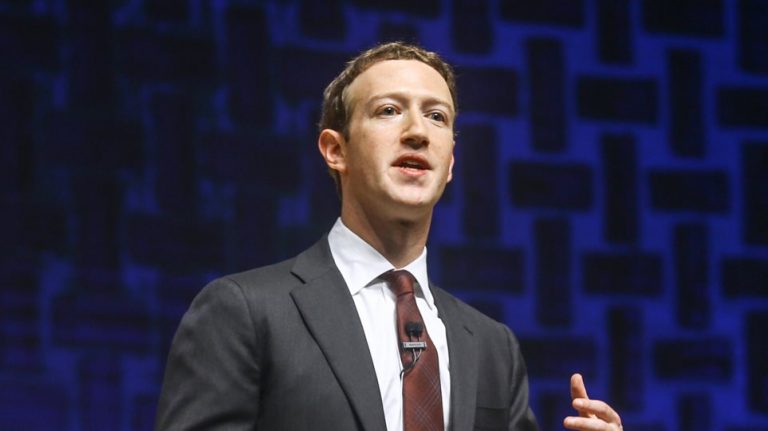
More than two years after Facebook CEO Mark Zuckerberg first floated the idea of an independent “Supreme Court” that could make the final call on difficult content moderation decisions, the company’s Oversight Board is finally nearing its launch date.

Julie Owono, a human and digital rights lawyer and inaugural board member, told Business Insider in an interview this week that the board hopes, “if things go well, to be able to take cases by mid- to late-October this year.”

The Oversight Board is an experiment in self-regulation with little precedent and the ambitious aim of resolving some of the many gray areas surrounding Facebook‘s complex and ever-evolving policies surrounding what content people are allowed to post on its platforms — its so-called “Community Standards” (or Community Guidelines for Instagram).

These policies, like laws passed by some governments, try to strike a balance between goals that often come into conflict with one another, such as protecting free speech and expression while also keeping people safe and delivering reliable information about everything from COVID-19 to elections.

See Also:

Coronavirus Greece: At 269 new cases & 4 fatalities

Heroic dad gets fired from 2 jobs after shielding his kids in Bronx car dealership shooting

As Owono acknowledged, the board can’t possibly examine every disputed case, but plans to focus on those where there are “significant questions” about freedom of expression, international human rights, or where the content could “have huge impacts — human impact, moral impact, economic impact.”

Facebook declined to comment for this story.

>Related articles

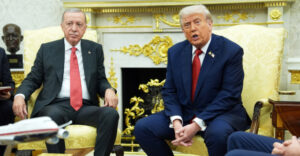
Trump threatens tariffs against those who oppose U.S. plans for Greenland

CIA chief in Venezuela meets with Rodriguez

Ballistic missile strike hits pier in Ukraine

Since the Cambridge Analytica scandal exploded in 2018, Facebook has confronted a stream of controversies around who it allows onto its platforms, what it allows them to post, and how it enforces these rules, from posts that fueled genocide in Myanmar to Russian bot armies to dangerous health-related misinformation that racked up 3.8 billion views in the last year alone.

Facing increased pressure from lawmakers, particularly in Europe and the US, Zuckerberg has gradually shifted his posture from saying it was a “crazy idea” that fake news on Facebook influenced the 2016 elections to explicitly asking for more regulation. But given the strong legal protections Facebook and other internet platforms enjoy under “Section 230,” a provision in a nearly 25-year-old law that has come under fire from both ends of the political spectrum — albeit for very different reasons — the company is also trying to head off any legislation it might not like.

Read more: Business Insider

Ask me anything

Explore related questions

#censorship#facebook#Facebook CEO Mark Zuckerberg#social media#usa#world
> More World

Follow en.protothema.gr on Google News and be the first to know all the news

See all the latest News from Greece and the World, the moment they happen, at en.protothema.gr

> Latest Stories

War, diplomacy, or insurrection: What’s next in Iran

January 17, 2026

New tensions in the Middle East as Trump invites regional leaders to the Gaza Peace Council

January 17, 2026

Weather: A return to winter in the coming days – Cold and strong northerly winds – Kolydas’ post

January 17, 2026

A view of Nikolaos Stasinopoulos of Viohalco – The “enduring imprint” of Greece’s greatest industrialist

January 17, 2026

The horror of the “Tariff of the Dead”: how the Iranian regime prices the bodies of protesters

January 17, 2026

Mitsotakis on the Karystianou party: “There is a long distance between being the parent of a tragedy victim and being the leader of a political party”

January 17, 2026

Patras in carnival mode – This evening, the city’s official opening ceremony

January 17, 2026

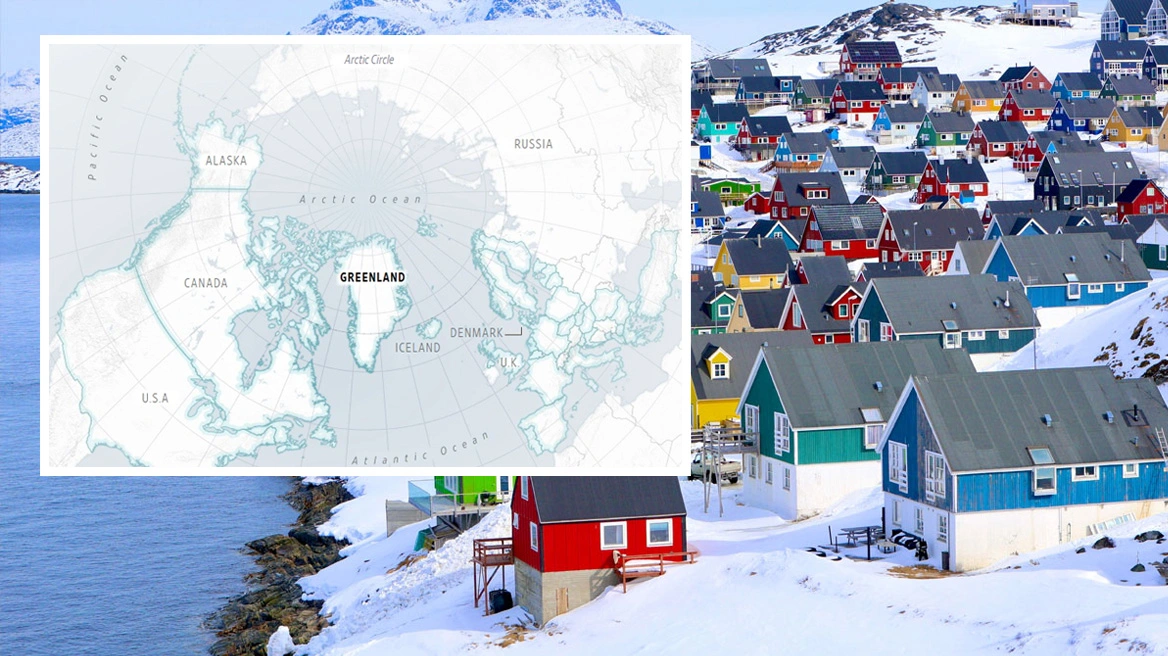
Greenland as the first line ofdefense for the U.S. and NATO:

January 17, 2026
All News

> World

War, diplomacy, or insurrection: What’s next in Iran

The Iranian regime faces the most serious threat to its survival, despite the repression of protests - The possibility of a US strike remains on the table - The landscape for the next day is blurred

January 17, 2026

New tensions in the Middle East as Trump invites regional leaders to the Gaza Peace Council

January 17, 2026

The horror of the “Tariff of the Dead”: how the Iranian regime prices the bodies of protesters

January 17, 2026

Greenland as the first line ofdefense for the U.S. and NATO:

January 17, 2026

Changes at top universities: Oxford abolishes the term ‘doctores’ for inclusion reasons

January 17, 2026
Homepage
PERSONAL DATA PROTECTION POLICY COOKIES POLICY TERM OF USE
Powered by Cloudevo
Copyright © 2026 Πρώτο Θέμα