×
GreekEnglish

×
  • Politics
  • Diaspora
  • World
  • Lifestyle
  • Travel
  • Culture
  • Sports
  • Cooking
Saturday
17
Jan 2026
weather symbol
Athens 10°C
  • Home
  • Politics
  • Economy
  • World
  • Diaspora
  • Lifestyle
  • Travel
  • Culture
  • Sports
  • Mediterranean Cooking
  • Weather
Contact follow Protothema:
Powered by Cloudevo
> Culture

AI is deciphering a 2,000-year-old ‘lost book’ describing life after Alexander the Great

Researchers are using machine learning, a branch of artificial intelligence, to discern the faint ink on the rolled-up papyrus scroll

Newsroom February 8 06:18

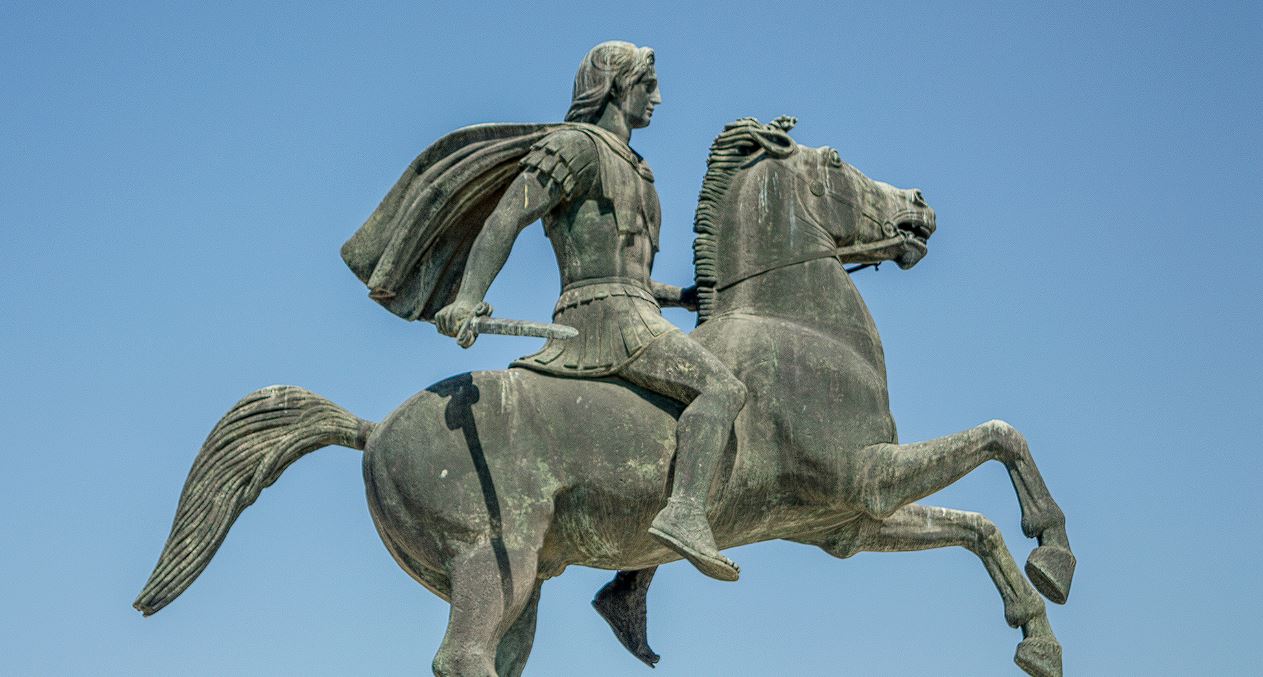
A 2,000-year-old “lost book” discussing the dynasties that succeeded Alexander the Great may finally be deciphered nearly two millennia after the text was partially destroyed in the eruption of Mount Vesuvius in A.D. 79 and, centuries later, handed off to Napoleon Bonaparte.

The reason for the breakthrough? Researchers are using machine learning, a branch of artificial intelligence, to discern the faint ink on the rolled-up papyrus scroll.

“It’s probably a lost work,” Richard Janko(opens in new tab), the Gerald F. Else distinguished university professor of classical studies at the University of Michigan, said during a presentation at the joint annual meeting of the Archaeological Institute of America and the Society for Classical Studies, held in New Orleans last month. The research is not yet published in a peer-reviewed journal.

>Related articles

Spain aims to control deepfakes created with AI

AI brings together “Home Alone,” “Harry Potter,” “John Wick,” “Deadpool,” “Fast & Furious,” and “Game of Thrones” in one film – Watch the video

AI Cameras begin recording traffic violations: where they are in Attica

Only small parts of the heavily damaged text can be read right now. “It contains the names of a number of Macedonian dynasts and generals of Alexander,” Janko said, noting that it also includes “several mentions of Alexander himself.” After Alexander the Great died in 323 B.C., his empire fell apart. The text mentions the Macedonian generals Seleucus, who came to rule a large amount of territory in the Middle East, and Cassander, who ruled Greece after Alexander’s death.

The lost book is from the Villa of the Papyri at Herculaneum, a city that was destroyed alongside Pompeii when Mount Vesuvius erupted after the turn of the first millennium. The villa, named for its vast scrolls of papyri, contains numerous writings from the philosopher Philodemus (lived circa 110 B.C. to 30 B.C.). These papyri were carbonized when the volcano erupted. At some point, the text was found, and it was given to Napoleon Bonaparte in 1804. He gave it to the Institut de France in Paris, where it now resides. In 1986, an attempt to unroll the papyrus resulted in further damage, Janko said.

source livescience.com

Ask me anything

Explore related questions
#AI#Alexander the Great#scroll
> More Culture

Follow en.protothema.gr on Google News and be the first to know all the news

See all the latest News from Greece and the World, the moment they happen, at en.protothema.gr

> Latest Stories

Greenland as the first line ofdefense for the U.S. and NATO:

January 17, 2026

Changes at top universities: Oxford abolishes the term ‘doctores’ for inclusion reasons

January 17, 2026

Where affordable housing falls short in Greece: IOBE proposes a cap on rent increases

January 17, 2026

Weather: Noticeable drop in temperature from today – Where it will snow and at which altitudes

January 17, 2026

One dead after train–bus collision at the Port of Hamburg – see photos

January 16, 2026

President of Air Traffic Controllers: Another communications blackout possible in the near future

January 16, 2026

Trump threatens tariffs against those who oppose U.S. plans for Greenland

January 16, 2026

X is down, thousands report problems

January 16, 2026
All News

> Culture

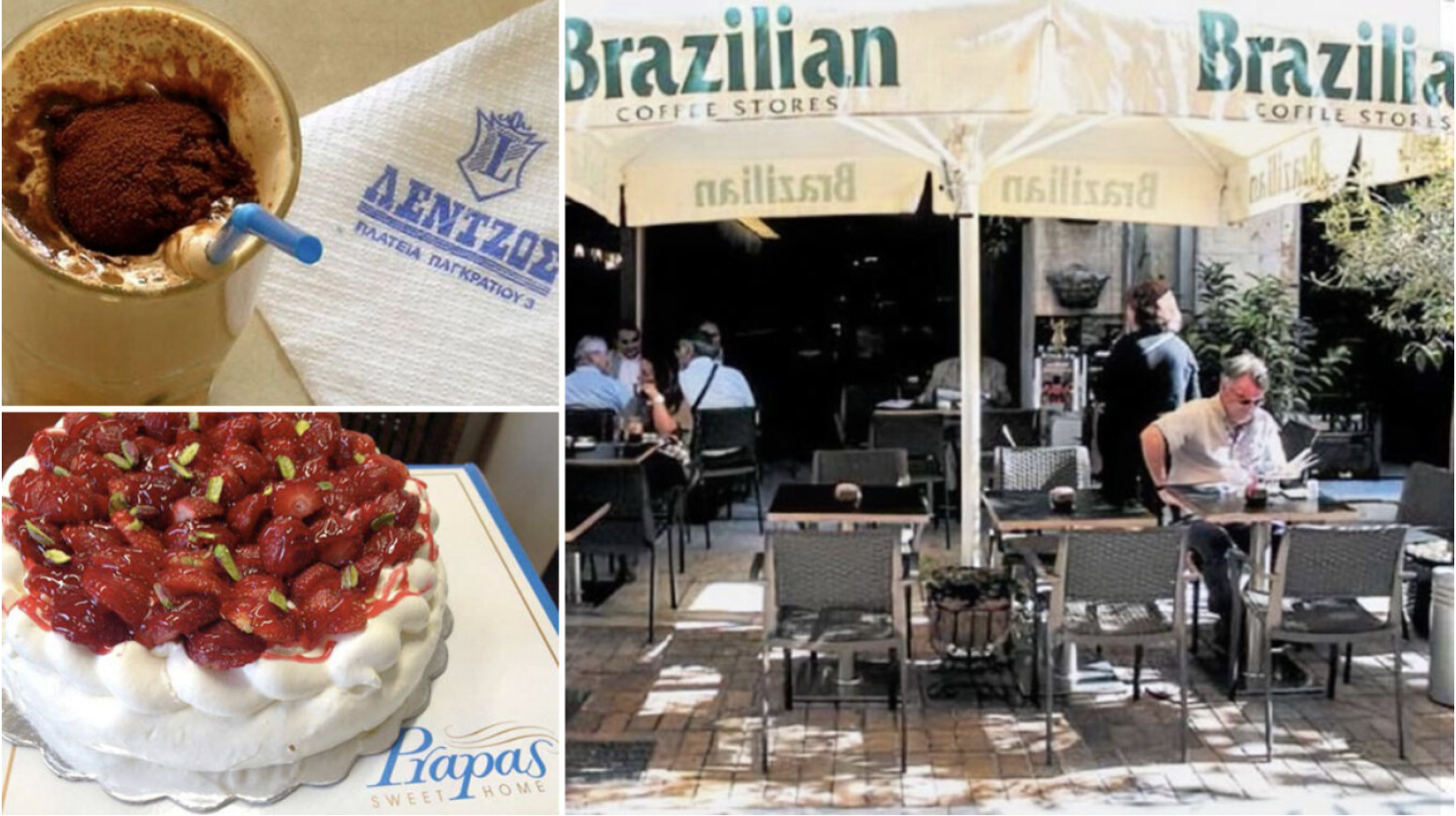
The historic cafes of Athens: 12 legendary hangouts lost to time

The café-patisseries that set the rhythm of cosmopolitan Athens – “Flokas,” “Papaspirou,” “Sonia,” “Alaska,” “Lentzos,” “Floral,” “Blue Bell,” “Prapas,” “Pachos,” “Galaxy,” “Caprice,” “Centaur” were the most popular meeting points where modern Greek history was written, became songs and books, and left their mark with their famous culinary creations

January 16, 2026

Actress Melpo Zarokosta dies at 93

January 16, 2026

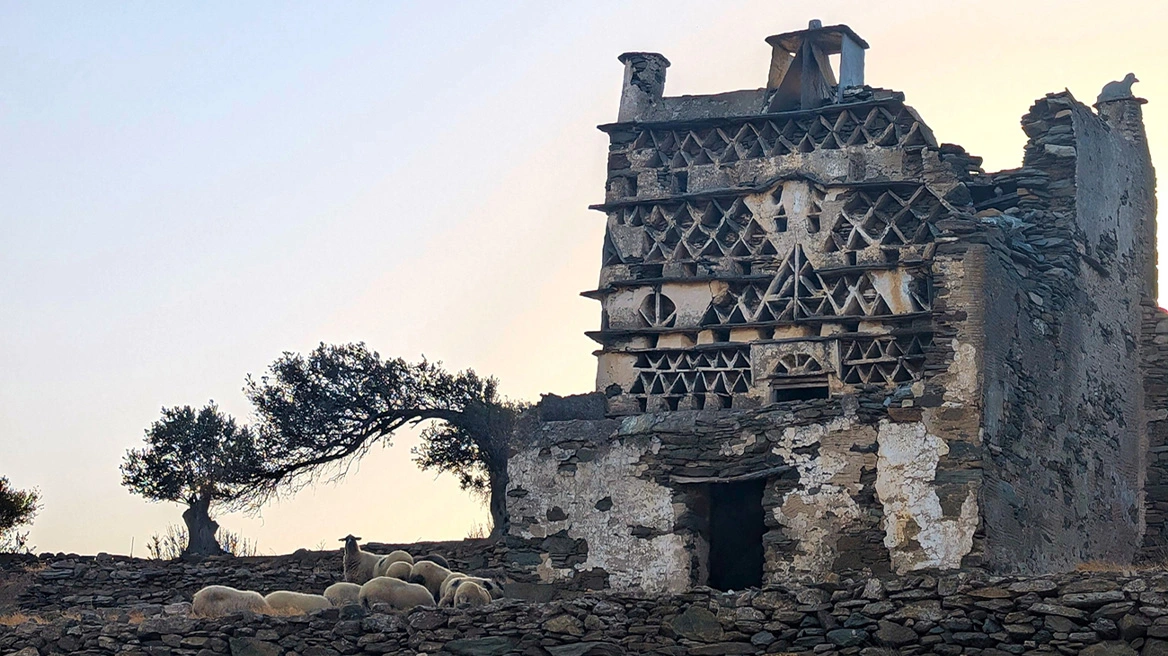
Cycladic Identity Initiative launches fourth funding phase to preserve the Cultural and Natural Heritage of the Cyclades

January 16, 2026

Grief in Crete for the loss of Yannis Xylouris

January 15, 2026

“A Picasso for 100 euros” — Christie’s for a million-euro painting

January 15, 2026
Homepage
PERSONAL DATA PROTECTION POLICY COOKIES POLICY TERM OF USE
Powered by Cloudevo
Copyright © 2026 Πρώτο Θέμα