





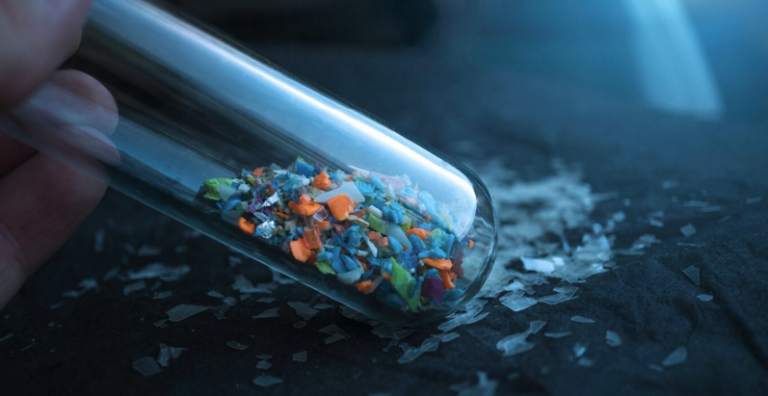
Microplastic particles smaller than 5 mm in size have now become a pervasive environmental pollutant. These particles come from a variety of sources, such as furniture, clothing and food packaging, and can easily enter our bodies through ingestion, inhalation and even skin contact. They are mainly classified into two categories: primary and secondary. Primary microplastics are intentionally manufactured in small sizes, such as the microspheres found in cosmetics and personal care products, while secondary microplastics result from the breakdown of larger plastic objects, such as bottles, bags and other plastic waste.
Furniture, clothing and food packaging are unfortunately important sources of microplastics. Upholstered furniture and synthetic fabrics, for example, shed fibres during use and washing, releasing them into the air and water systems. Food packaging, especially single-use plastics, can also decompose and leak microplastics into the food and beverages they contain. These particles then enter our bodies through various pathways, contributing to potential health risks.
mikroplastika

Steps to minimise exposure
One of the most effective ways to reduce exposure to microplastics is to choose natural materials instead of synthetic ones. For furniture, choose wood, metal or glass instead of plastic or coated pieces. When it comes to clothing, opt for natural fibres such as cotton, wool, silk and linen. These materials shed fewer microplastics and are generally more sustainable. However, because it is difficult to always choose natural materials, mainly due to increased costs, below are a few more ways to protect yourself from microplastics:
Improve indoor air quality
Indoor environments can harbour high levels of microplastics due to the shedding of fibres from furniture and fabrics.
To improve indoor air quality:
Use a high-efficiency particulate air (HEPA) filter on your vacuum cleaner to capture microplastics and other fine particles.
Clean floors and surfaces regularly with a damp cloth to prevent dust and microplastic particles from accumulating.
Consider using an air purifier with a HEPA filter to reduce airborne microplastics.
Choose environmentally friendly clothing:
Synthetic fabrics such as polyester, nylon and acrylic contribute significantly to microplastic pollution. When buying new clothes:
Look for items made from natural fibres
Support brands that use recycled materials and sustainable manufacturing practices.
Wash synthetic clothes less often and use a microfiber filter or Guppyfriend bag in your washing machine to capture fibers that may be released during washing.
How to Remove Microplastics from Your Body #shorts
Reduce single-use plastics
Food packaging is a major source of microplastics, especially disposable items such as plastic bags, bottles and wrappers. To minimize exposure:
Use reusable bags, containers and bottles made of materials such as glass, stainless steel or silicone.
Choose fresh produce instead of packaged foods.
Support businesses that offer plastic-free packaging options.
Take care in the preparation and storage of food
Microplastics can leak into food from packaging, especially when exposed to heat. To reduce this risk:
Avoid cooking food in the microwave in plastic containers; use glass or ceramic containers instead.
Store food in glass, stainless steel or beeswax wrappers instead of plastic containers or bags.
Rinse canned food to remove any plastic residue from the liner.
mikroplastika
Support for policy changes
While individual actions are vital, advocacy for broader policy changes can have a significant impact on reducing microplastics pollution.
Support legislation that:
Bans or restricts the use of microbeads in personal care products.
Promotes research on the health effects of microplastics.
Encourages the development and use of biodegradable and compostable materials.
Remember that microplastics are an invisible but significant threat to our health and the environment. So by making conscious choices in our daily lives – such as choosing natural materials, improving indoor air quality, choosing eco-friendly clothing, reducing single-use plastics and supporting policy changes – we can minimise our exposure to these pollutants.
Ask me anything
Explore related questions