×
GreekEnglish

×
  • Politics
  • Diaspora
  • World
  • Lifestyle
  • Travel
  • Culture
  • Sports
  • Cooking
Saturday
17
Jan 2026
weather symbol
Athens 10°C
  • Home
  • Politics
  • Economy
  • World
  • Diaspora
  • Lifestyle
  • Travel
  • Culture
  • Sports
  • Mediterranean Cooking
  • Weather
Contact follow Protothema:
Powered by Cloudevo
> World

NASA unfurls giant solar sail that you can see from Earth

Solar sailing eliminates the need for heavy propulsion systems enabling a spacecraft to travel indefinitely

Newsroom September 3 09:27

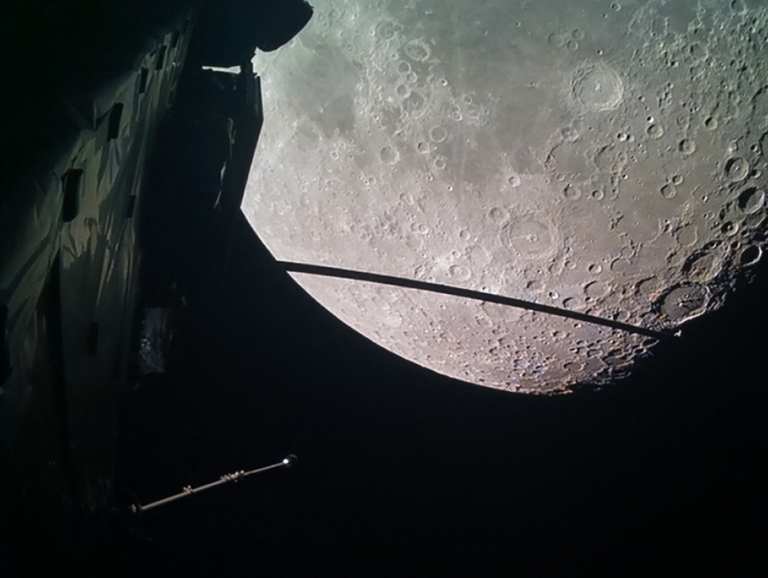
NASA has successfully deployed a solar sail in space for the first time, aiming to use sunlight as a propulsion method for future interstellar travel. The solar sail was unfurled 1,000 kilometers above Earth, four months after its launch, and it is expected to be visible from Earth under ideal conditions. The sail, measuring 80 square meters—about the size of six parking spaces—works by reflecting sunlight, allowing photons to push the craft forward, much like how a sailboat is propelled by the wind.

>Related articles

Trump threatens tariffs against those who oppose U.S. plans for Greenland

CIA chief in Venezuela meets with Rodriguez

Ballistic missile strike hits pier in Ukraine

This solar sailing technology eliminates the need for heavy propulsion systems like rockets, enabling a spacecraft to travel indefinitely without needing to refuel or adjust its position. However, the lightweight and large structure of the sail makes it susceptible to damage from space debris and particles. Despite these challenges, recent technological advances have made the practical use of solar sails feasible, allowing the force of sunlight to act on the sail with an effect comparable to the weight of a paperclip.

The development of suitable materials and structures has been crucial for this breakthrough. According to Keats Wilkie, the mission’s principal investigator at NASA’s Langley Research Center, the sail’s booms are designed to be lightweight and stable while folding compactly, addressing the limitations of previous designs. Future iterations of solar sails could be significantly larger, potentially powering missions to the Moon, Mars, and beyond.

As Alan Rhodes, lead systems engineer at NASA’s Ames Research Center, explains, the Sun provides a limitless source of propulsion. This innovation could eliminate the need for massive fuel tanks on future missions, as larger sails could harness sunlight for exploration, using an abundant and sustainable resource. This milestone represents a significant step toward a new era of space exploration powered by solar energy.

Ask me anything

Explore related questions
#earth element#nasa#science#solar sail#space#technology#world
> More World

Follow en.protothema.gr on Google News and be the first to know all the news

See all the latest News from Greece and the World, the moment they happen, at en.protothema.gr

> Latest Stories

Mitsotakis on the Karystianou party: “There is a long distance between being the parent of a tragedy victim and being the leader of a political party”

January 17, 2026

Patras in carnival mode – This evening, the city’s official opening ceremony

January 17, 2026

Greenland as the first line ofdefense for the U.S. and NATO:

January 17, 2026

Changes at top universities: Oxford abolishes the term ‘doctores’ for inclusion reasons

January 17, 2026

Where affordable housing falls short in Greece: IOBE proposes a cap on rent increases

January 17, 2026

Weather: Noticeable drop in temperature from today – Where it will snow and at which altitudes

January 17, 2026

One dead after train–bus collision at the Port of Hamburg – see photos

January 16, 2026

President of Air Traffic Controllers: Another communications blackout possible in the near future

January 16, 2026
All News

> World

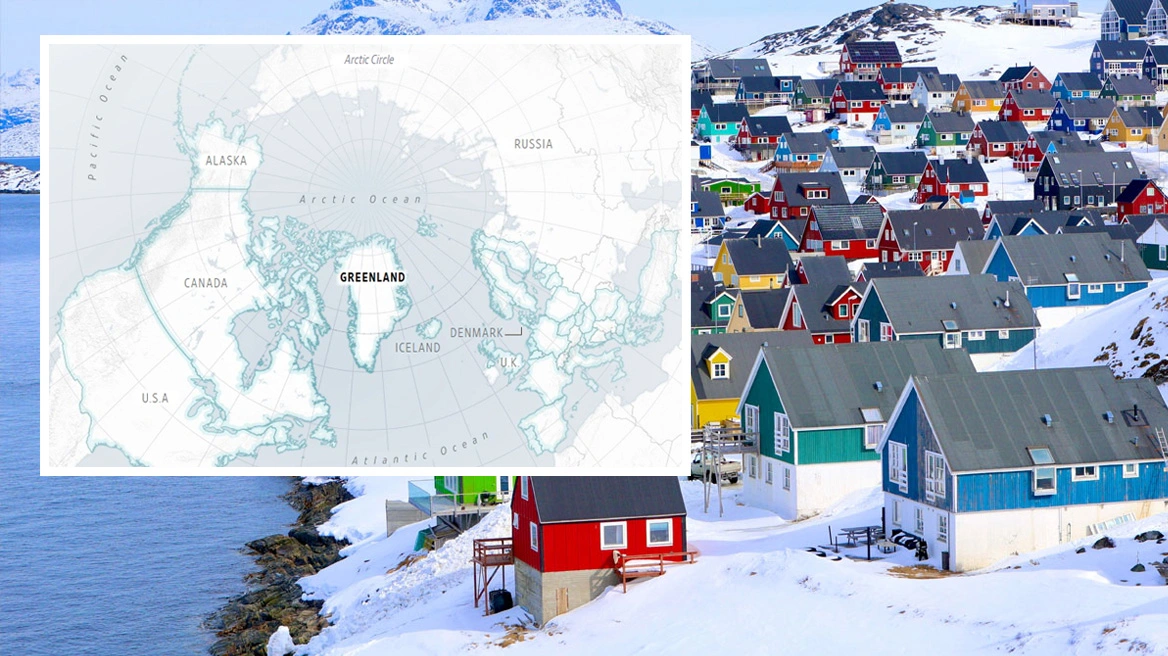
Greenland as the first line ofdefense for the U.S. and NATO:

See the maps that explain why Trump Is so eager to acquire

January 17, 2026

Changes at top universities: Oxford abolishes the term ‘doctores’ for inclusion reasons

January 17, 2026

One dead after train–bus collision at the Port of Hamburg – see photos

January 16, 2026

Trump threatens tariffs against those who oppose U.S. plans for Greenland

January 16, 2026

X is down, thousands report problems

January 16, 2026
Homepage
PERSONAL DATA PROTECTION POLICY COOKIES POLICY TERM OF USE
Powered by Cloudevo
Copyright © 2026 Πρώτο Θέμα