Knowledge conquers fear, myths, and misinformation. Two prominent female scientists in the field of organ transplants, along with an international speaker with extensive experience as a curator at the Nobel Prize ceremonies, address crucial questions about organ donation, transplants, and the ethical dilemmas involved.
From the decision to withdraw life support to the one for the recipient of the transplant, the offer of life stemming from the end of another presents a host of nuanced and challenging issues. This was the focus of the 5th Transplant Masterclass held by the Onassis Foundation, moderated by the president of the Onassis Cardiac Surgery Center, Mr. Ioannis Bolete. Three distinguished speakers shared their insights on balancing “hope and challenge.”
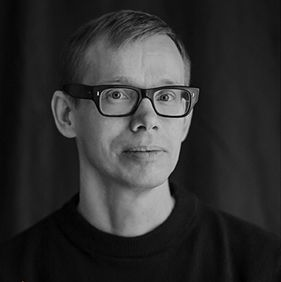
Ana Franca, an internal medicine consultant, intensivist, and transplant advisor; Núria Masnou, intensivist, transplant coordinator, and president of the European Organ Donation and Transplantation Coordination Organization (EDTCO) for 2023–2025; and Tobias Degsell, CEO of Combiner, a creativity expert, and international speaker with extensive experience as a curator at the Nobel Prizes, each addressed common concerns. They discussed topics such as when and how the transition from treatment to palliative care is decided, ensuring transparency and full information for potential living donors, and supporting relatives through the difficult grieving process.
They also dispelled myths, such as the possibility of recovery from brain death, explaining why it signifies death despite the functioning of other vital organs and how stringent criteria eliminate misdiagnoses. They proposed solutions to combat misinformation and overcome fear, suggesting initiatives that could start from the most unexpected places, like a local café.
Tobias Degsell: “The most powerful antidote to fear is knowledge.”
For Tobias Degsell, CEO of Combiner and a Creativity Specialist, the components that will revolutionize transplants are the same as those needed for a better world. “I focus on the details; details build the picture,” he stated at the beginning of his speech, adding that we also need Galileo’s telescope to see the bigger picture and the change. “The problem today is that some say they want or don’t want change. But change is inevitable. What we can do is learn to adapt,” he said, emphasizing the need to be prepared and to build bridges for progress.
Referencing the Nobel Prizes, which aim to promote innovation for a better world, and with the goal of “ensuring everyone wins,” Degsell outlined the ingredients for success:
- Persistence: “Sometimes, change takes a long time,” highlighting persistence as a key element for success, as noted by many Nobel laureates.
- Competence: “People seek money and time, but they first need to know what they’re looking for and what the goal is. Then, they must ask themselves if they have the competence and commitment to achieve that goal.” Competence is necessary, but not sufficient if capable people cannot collaborate.
- Collaboration: “Most Nobel Prizes have been awarded to people who collaborated,” he remarked on what he believes is the most crucial variable.
- Engagement: This can bring more people into the endeavor (collaboration) to achieve success.
- Diversity: “We need diversity not just in gender or nationality but also in thought and perspective,” he explained.
“Above all, trust is essential. Failure often stems from a lack of trust,” he added, emphasizing that “to create a better world, we must work together.”
When applying these principles to transplants, Degsell noted that they are as admirable as they are daunting. “We must focus on the positive side and highlight the importance of helping others,” he stated. According to him, transplants are here to stay, so it’s important to know about them: “The most powerful antidote to fear is knowledge.”
Ask me anything
Explore related questions