






A team of distinguished scientists from the University of Crete and the Foundation for Research and Technology-Hellas (FORTH) in Heraklion, in collaboration with the National Hellenic Research Foundation (NHRF) in Athens, is attempting a therapeutic strike against three diseases that represent major public health challenges.
Alzheimer’s disease, diabetic retinopathy, and spinal cord injuries – diseases with profound effects on health, society, and the economy – have long been a focus of their research. Now, their arsenal includes potential therapeutic tools: two upcoming drugs and a cell therapy, for which clinical studies are planned in the United States and Europe.
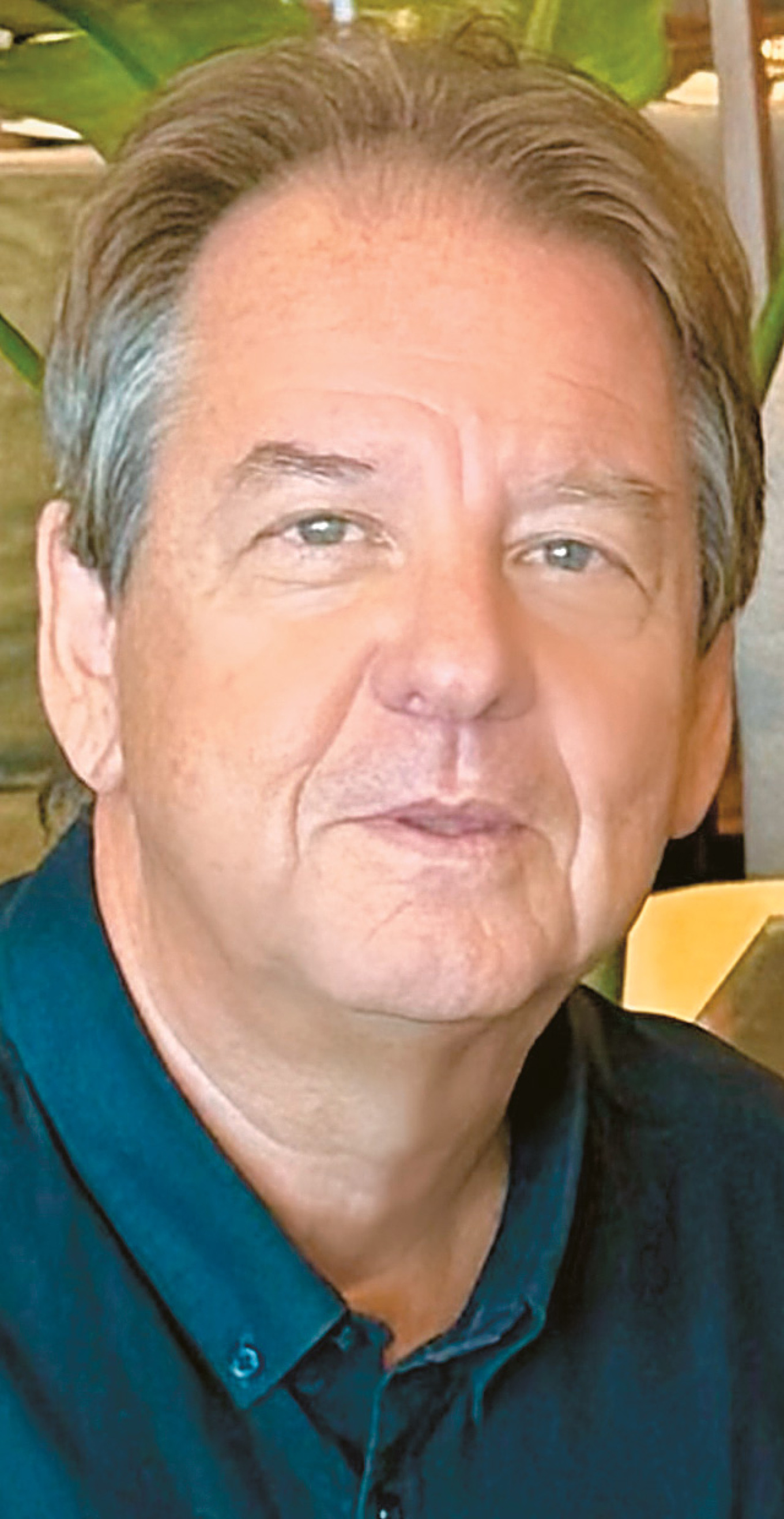
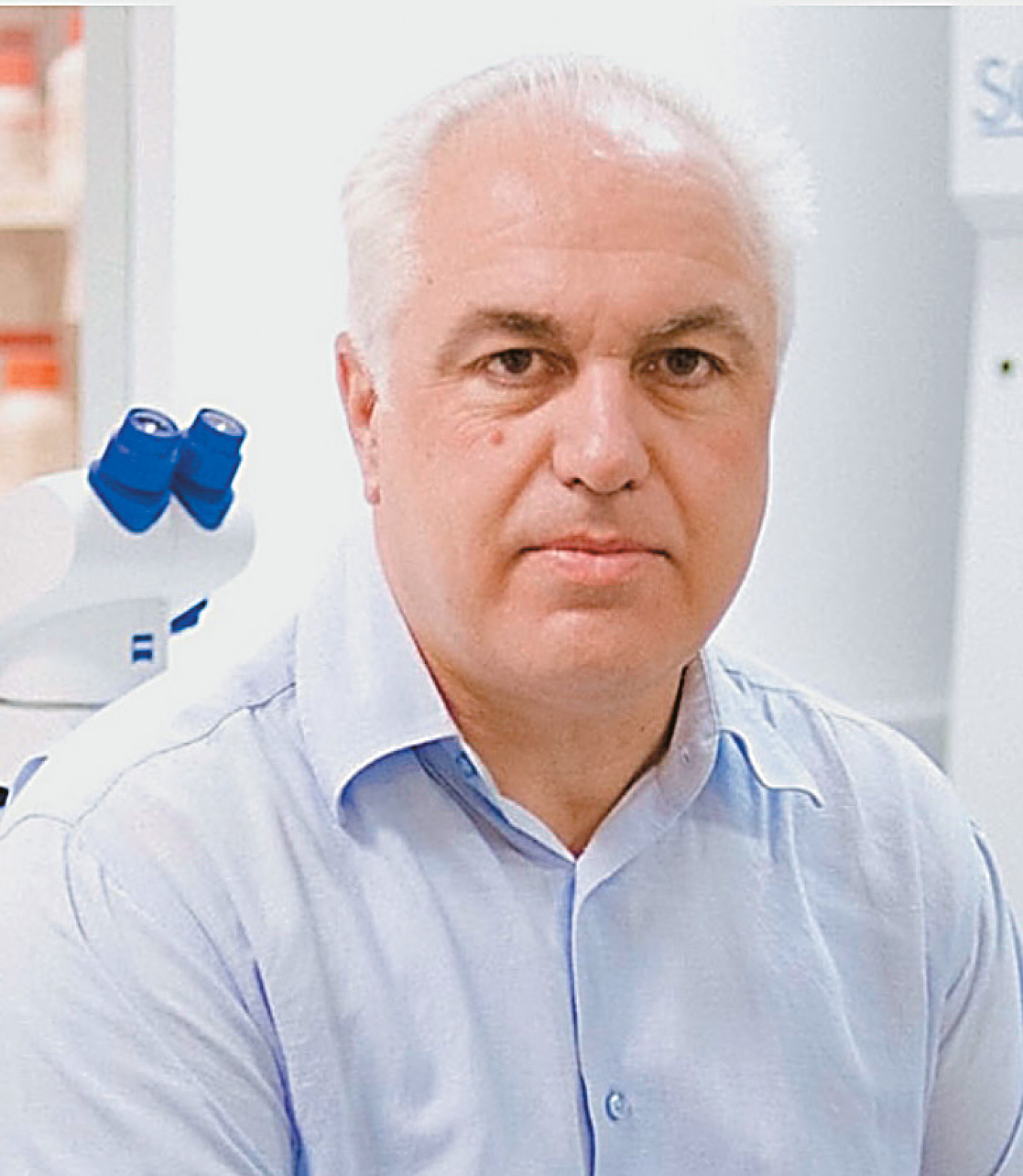
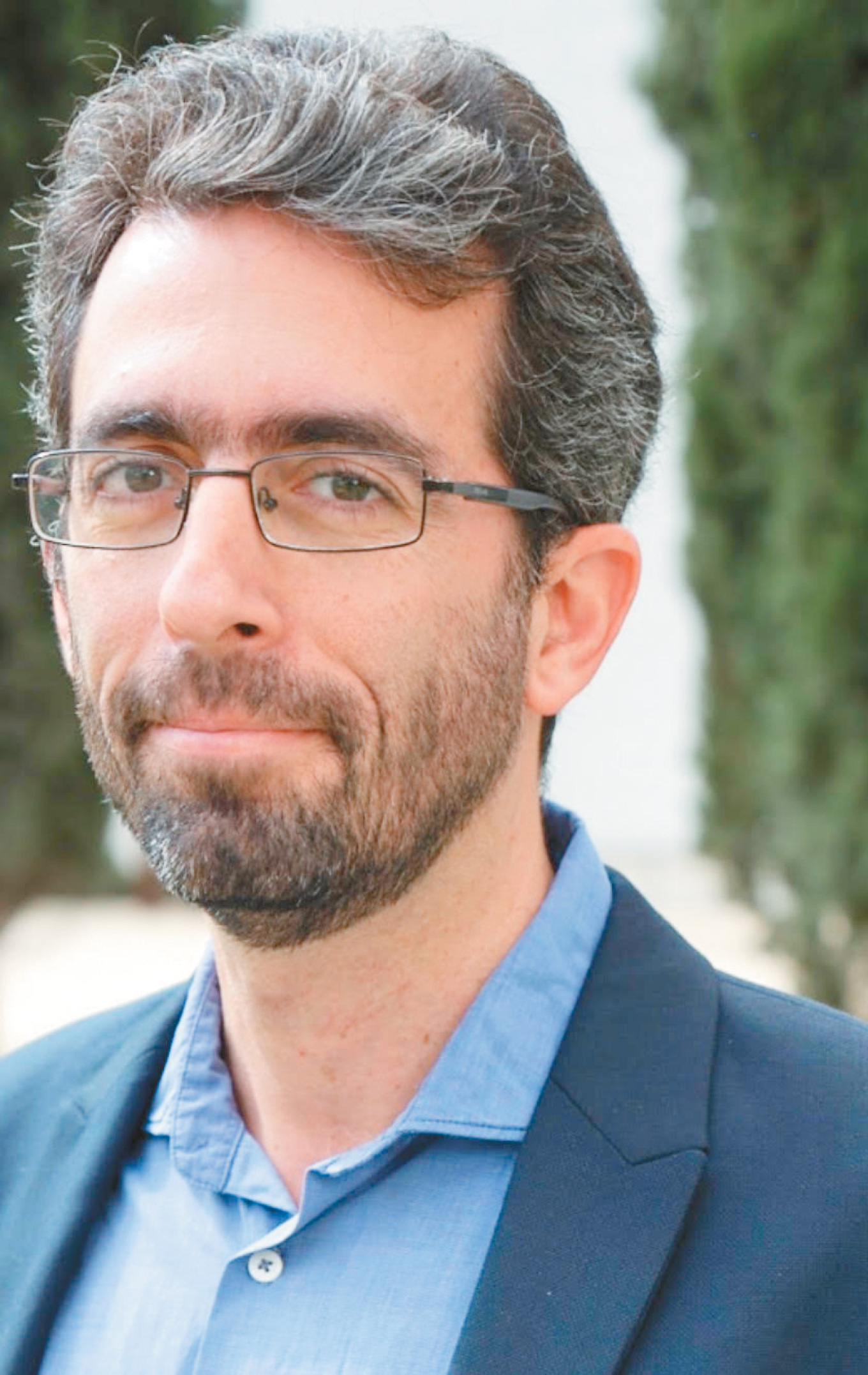
The persistent team consists of Achilleas Gravanis and Yiannis Charalampopoulos, professors of Pharmacology at the University of Crete Medical School and FORTH, Dimitris Tzeranis, assistant professor in the Department of Materials Science and Engineering, and Theodora Kalogeropoulou, director of Research at the NHRF.
20 Years of Research
Greek scientists have been dedicated to neuroregenerative medicine and neural tissue biomechanics since 2004. Twenty years later, their research efforts are bearing fruit.
“Our country has research teams of outstanding quality that can compete for a leading position in the global scientific field. Our ambition was and remains to offer innovative therapeutic approaches for major diseases that currently lack treatment.
For this reason, we focused on diseases that posed significant challenges. In 2004, there was an absolute void in the therapeutic landscape for Alzheimer’s and other neurodegenerative diseases.
At the same time, the pandemic wave these diseases would cause was evident. Globally, more than 60 million people live with dementia – a number that will rise dramatically in the future due to increased life expectancy.
Our goal was to help this enormous number of patients and their caregivers,” says Professor Gravanis to Proto Thema.
Starting from the difficult premise that the cause of neurodegeneration is unknown – and thus it is impossible to design treatments to control the disease – the scientific team set a goal of treating the symptoms caused by neurodegeneration.
Successful Experiments
“In Alzheimer’s disease, we designed multifunctional synthetic molecules that simultaneously:
a) exert neuroprotective effects by inhibiting neuronal death,
b) have anti-neuroinflammatory action by reducing microglial activation in the brain, and
c) promote neuroregeneration by fostering the growth of new neurons from brain neural stem cells,” explains Professor Gravanis.
The team’s most recent publications, which appeared just weeks ago in the scientific journals Molecular Psychiatry and Glia, highlighted the beneficial effects of the synthetic microneurotrophin BNN27.
Its administration significantly reduced the load of neurotoxic amyloid-beta in the brains of animals (amyloid-beta is associated with neuronal degeneration), enhanced the growth of new neurons, restored neuronal synapse function, and reduced neuroinflammation, leading to substantial restoration of cognitive functions and memory in test animals.
Apart from BNN27, the researchers have also developed a series of synthetic compounds that mimic endogenous neurotrophins – substances critical for brain protection and function that are diminished in neurodegenerative diseases.
One of these compounds is considered a highly promising treatment for diabetic retinopathy, the leading cause of vision loss in approximately 40 million people worldwide. The clinical evaluation of this drug is also imminent, as the University of Crete’s and FORTH’s spinoff company, BioNature, has signed an agreement with the European pharmaceutical company Novaliq.
“Clinical trials are now being designed in collaboration with international pharmaceutical companies. Within the next two years, clinical trials on patients are expected to begin in the United States, and by 2028, we should have the first results,” describes Professor Gravanis, who has dedicated decades to research and teaching.

Spinal Cord Injuries
Since 2016, the research team has also been focusing on the treatment of spinal cord injuries and the reversal of paralysis. After eight years of research, they developed a neuroimplant, whose transplantation into the injured spinal cord of mice led to the reversal of paralysis.
“The results of our study were published in the scientific journal npj Regenerative Medicine, and we are proud of that. The neuroimplant consists of a three-dimensional collagen scaffold, housing neural stem cells. To advance toward the clinical application of the neuroimplant, which will enable the treatment of paralysis in individuals with spinal cord injuries, we established another spinoff company, ReNeuroCell Therapeutics. This company collaborates with the U.S.-based Neurocords and the Greek pharmaceutical Uni-Pharma,” says Professor Gravanis.
Additionally, the research team is working on developing new methods for delivering gene-, protein-, or cell-based drugs to the brain using a new generation of soft medical nanorobots, funded by the European Institute of Innovation.
“The development of new original drugs involves significant entrepreneurial risk, is highly time-consuming, but the effort is worth it – both medically and economically – for our country,” emphasizes Professor Gravanis when asked by Proto Thema whether he had weighed the costs and benefits of this long research journey when it began in 2004.
“Research has no deadlines, only vision and dedication to treatment and patients. Personally, I feel an obligation to communicate the results of our research to the public because it is supported by their funds,” says the professor.
He concludes emphatically: “Greece will only benefit if it invests in research.” He calls on the state to strengthen research teams and connect them with universities and the pharmaceutical industry “to develop high-value-added products, drugs, and treatments, transform the country’s productive model, and retain or repatriate the country’s valuable scientific minds.”
Ask me anything
Explore related questions