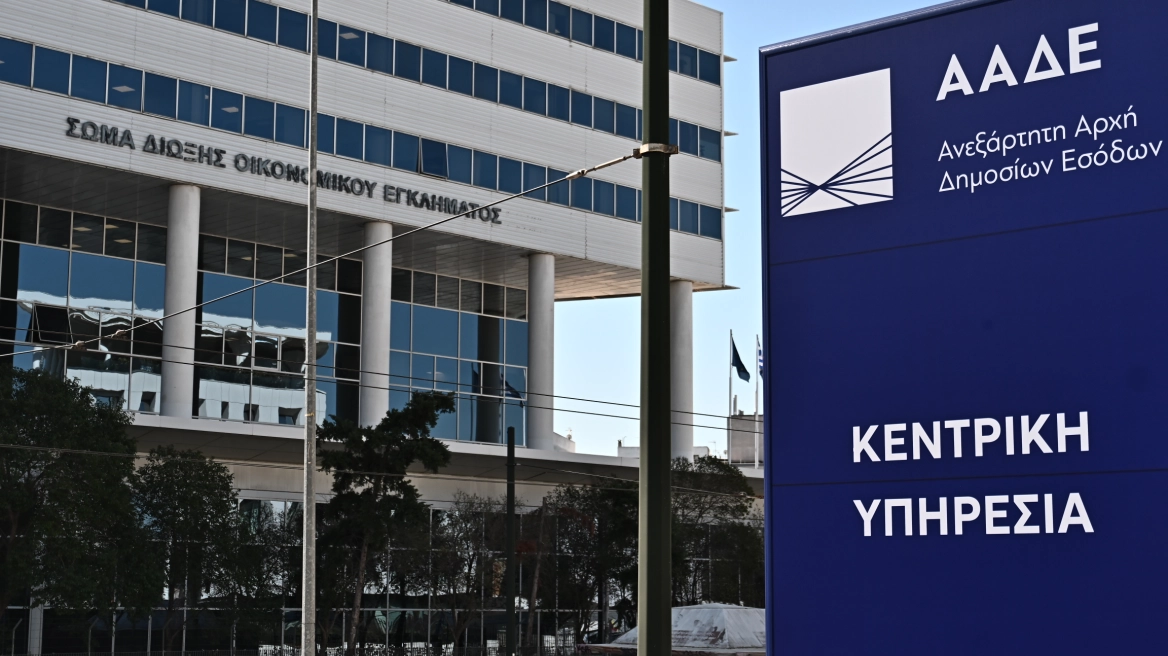
The permanency of Greek civil servants, which has existed for 114 years, is about to become a focal point in the ongoing constitutional revision discussions, initiated by Prime Minister Kyriakos Mitsotakis. The goal is to overcome the “power of inertia” caused by the longstanding protection of job security, which has historically hampered reforms and modernization of the public sector.
Background and significance of permanency
The establishment of civil service permanency began under Eleftherios Venizelos in 1911, as a measure to ensure stability in a period when the public administration was vulnerable to political changes. Over the years, maintaining civil servants‘ positions has created a vast body that operates independently of political shifts, but also with clientelist relations and party influence.
Evolution and current situation
In Greece, this system has become a powerful tool for political patronage and clientelism. During the austerity years of the memoranda, efforts to reduce personnel and implement digitization led to layoffs and austerity measures, but the overall trend was to preserve the civil service, which currently numbers around 596,000 employees as of 2025.
The role of ASEP and hiring procedures
Despite strict hiring procedures through the Supreme Council for Civil Personnel Selection (ASEP), there are still practices of illegal or de facto appointments, especially in local government. Digital reforms and stricter oversight have improved transparency, but the protection of job security remains an obstacle to reforms aimed at meritocracy and efficiency.
The potential abolition of permanency and legal issues
The government plans to introduce legislative changes allowing the removal of job security, based on Article 103 of the Greek Constitution. According to this article, civil servants are permanent as long as their organizational positions exist. If a position is abolished through reorganization or restructuring, the employee is placed on temporary suspension (disavailability) and, if no other position is found, ultimately dismissed.
However, implementing these changes will require political consensus and could lead to legal challenges, as the core issue is whether a position’s abolition automatically terminates the employee’s contract. The Greek Constitution permits dismissals only under specific conditions, such as misconduct, incapacity, or position abolition.
Political and legal challenges
The initiative to amend Article 103 has already faced opposition from opposition parties demanding more transparency and debate. The digital management and evaluation systems already in place will facilitate reform implementation, but political will and social acceptance remain uncertain.
Abolishing job security in the civil service represents a profound reform that could fundamentally change Greece’s public administration. If executed, it must be accompanied by clear rules, transparent procedures, and societal consensus to ensure efficiency and fairness. The issue of permanency, a 114-year-old institution, is now at a crossroads that will shape the future of Greece’s public sector.
Ask me anything
Explore related questions