
A rather unusual topic that focusses on sports slang, words and phrases that, from the 1980s to today, have infiltrated the vocabulary not only of those involved in sports but also of Greeks in general.
The “Scammer” That Became Famous
One word familiar to all Greeks is “scammer.” It refers to a swindler or con artist. Older comprehensive dictionaries do not list it; it first appeared in modern Greek dictionaries and is now widely recognized.
The tricky part is its etymology. Several explanations have been suggested over the years, but most are mistaken. Though some might think it’s a modern coinage, the late Nikos Tsiforos used it extensively in his humorous writings to describe assistants to tricksters and people who engage in petty scams.

Since the 1980s, it has entered sports vocabulary, mainly referring to sports officials prone to cheating. Today, “scammer” is used even for politicians.
One theory links the word to Italian la moglie (“the wife”), from Naples card players: when a player won and wanted to leave before losing money again, he’d say “my wife is calling” and take his winnings.
The Evolution of Sports Slang
Attempts to translate English football terms into Greek often fail. For instance, if someone says a referee called a “corrective kick,” nobody will understand they meant a penalty. Terms like “linesman” are outdated; today we say “assistant referee.”
The legendary newspaper “Filathlos” (early 1980s) played a major role in popularizing sports slang. Editors and writers introduced words and phrases that entered everyday language. The internet, sports websites, and YouTube channels have further spread and enriched this vocabulary.

Examples of Sports Slang and Their English Equivalents
- “Doesn’t even have a handkerchief to cry in” – Someone in dire financial straits.
- “I owe anyone who speaks Greek” – I’m heavily in debt.
- “Doesn’t cut even with an ace” – A footballer who cannot stop opponents.
- “Can’t jump over a newspaper” – A footballer with very low vertical leap.
- “Stand coach” – Someone without an official role who comments on a team’s performance, usually critically and without knowledge.
- “The pitch leans” – One team constantly attacks while the other defends; the field “leans” toward the defensive team.
- “Burned out in the warm-up” – An athlete who warms up excessively without contributing in the game.
- “Warms/polishes the bench” – A substitute player who rarely plays.
- “Took the jersey home” – A player who is always a starter.
- “Scored from home” – A three-pointer in basketball from very long range.
- “Parked the bus” – A football team heavily focused on defense.
- “Talks to the ball” – A highly skilled, technically gifted footballer.
- “The Clueless” – Someone who has no idea about a sport or specific aspect of it.
- “Ball wizard” – A player very good with the ball at his feet.
- “Starters” – Refers to basketball (five) or football (eleven) starting players.
- “Super League player” – A footballer in the top league.
- “Reliable official” – Sports officials who keep their word.
- “Has the ball under control” – Talented footballer.
Other referee-related slang:
- “Home-bias ref” – Favors the home team.
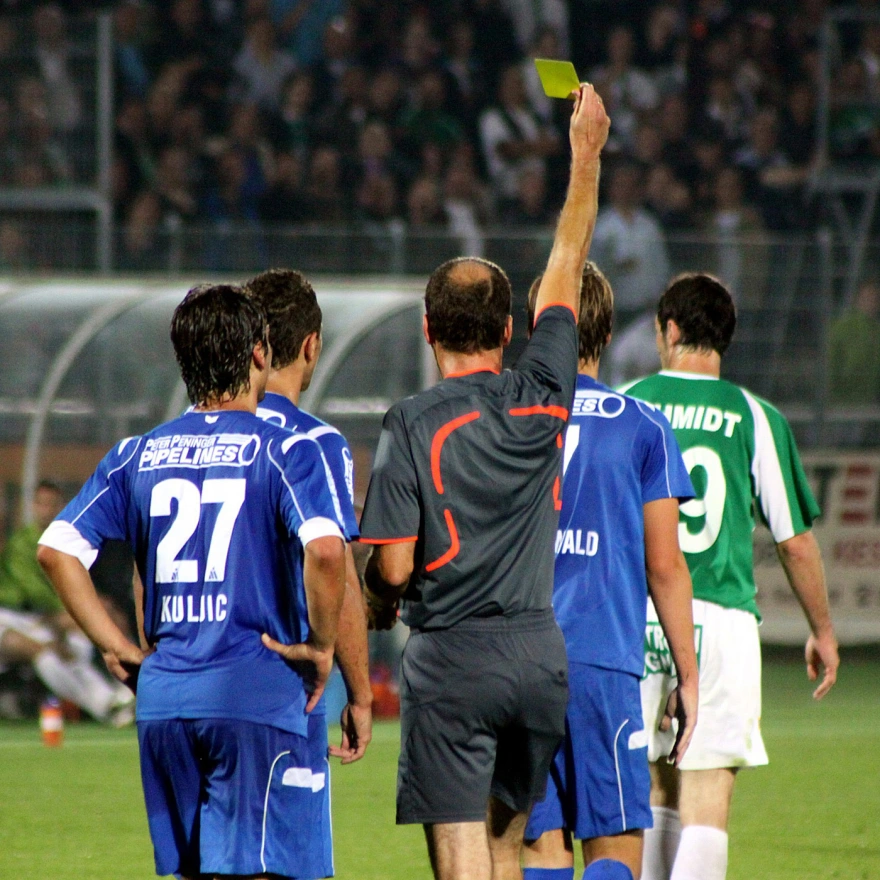
- “Card-happy ref” – Gives out yellow/red cards easily.
- “Penalty-giver” – Calls penalties easily.
Basketball slang:
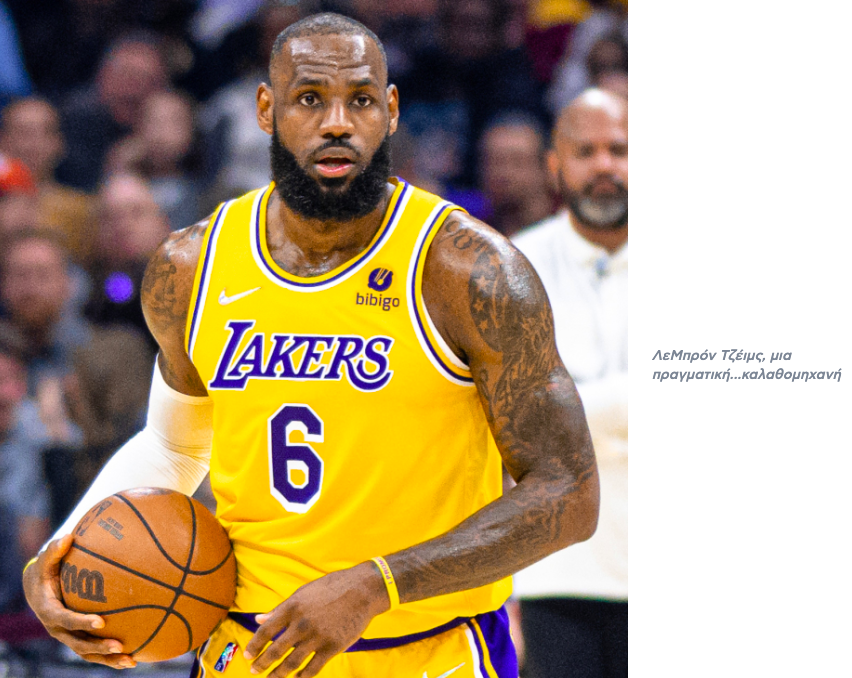
- “Scoring machine” – Player scoring many points.
- “Ball-face” – Footballer whose skill shows in their presence and confidence.
There are dozens more slang words and phrases in sports. Many were first used by journalists for specific sports figures and then became widespread. Greek sports slang has enriched everyday language, showing that sports are a key part of modern reality.
The article ends playfully with a nod to the late journalist Filippos Syrigos, whose phrases often became iconic.

Ask me anything
Explore related questions