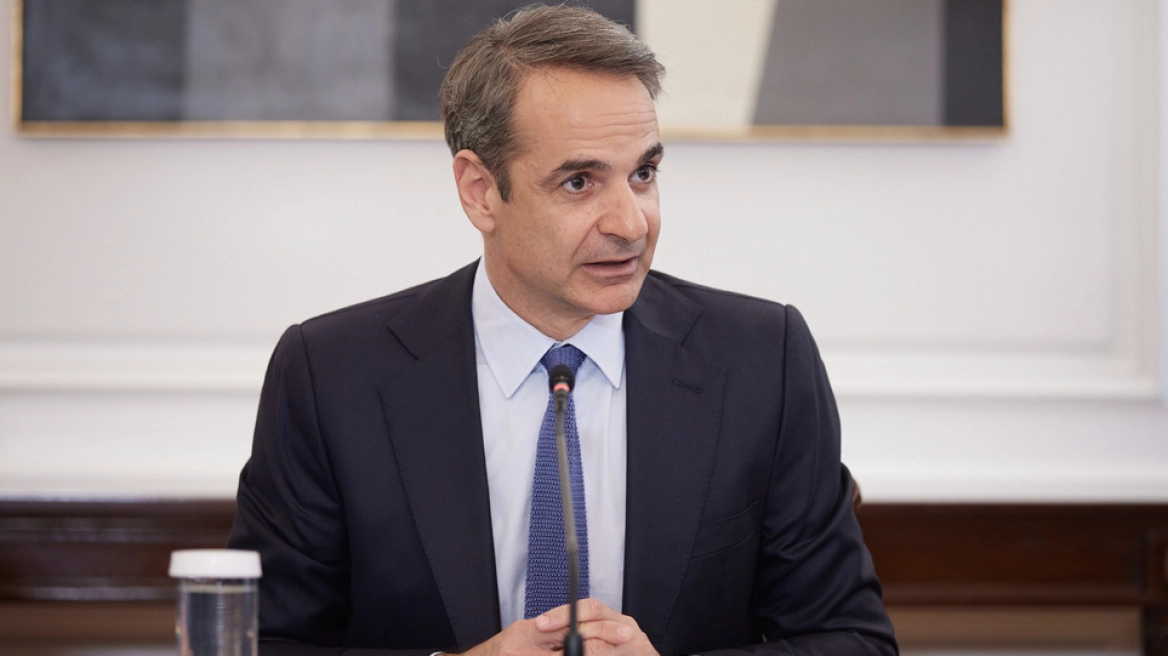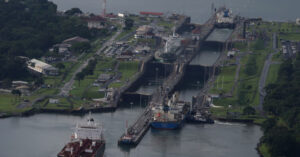
President José Raúl Mulino declared the crisis “a thing of the past” in his New Year’s message to the National Assembly. He reaffirmed that the Panama Canal “remains and will remain under Panamanian sovereignty.” His remarks follow a period of intense diplomatic tension that began in early 2025, when U.S. President Donald Trump publicly threatened to reassert U.S. control over the strategic waterway, citing growing Chinese influence.
Mulino stated that, through “a steady stance and time,” both sides had succeeded in restoring mutual respect and cooperation. He emphasized that Panama’s relationship with the U.S. is now based on collaboration, trust, and friendship, with particular focus on joint efforts to combat international crime.
Tensions escalated immediately after Donald Trump returned to the White House on January 20, 2025. The U.S. president pressured the Panamanian government to revoke the contract of the Panama Ports Company, a subsidiary of Hong Kong-based Hutchison Ports Group, which operates two key ports at the Canal’s Atlantic and Pacific entrances. Simultaneously, Washington demanded that U.S. ships transit the Canal without paying fees—a move Panama viewed as a direct challenge to its sovereignty.
Chinese Objections and Port Management
Despite the diplomatic détente with the U.S., the future of port management in Panama remains uncertain. In March 2025, CK Hutchison reached a preliminary agreement to sell 80% of its global port operations—including the two Panamanian ports—to a consortium led by BlackRock and Terminal Investment Limited (TiL), part of the Mediterranean Shipping Company (MSC).
However, negotiations have stalled, reportedly due to opposition from Beijing, which seeks a substantial role for China’s Cosco Shipping in the new entity. At the same time, Hutchison’s concession agreement with Panama is being challenged in court as unconstitutional, with the Supreme Court expected to issue a ruling later this month.
Canal Celebrates 26 Years of Panamanian Control
On December 31, 2025, the Panama Canal Authority (ACP) celebrated 26 years since control of the Canal was transferred from the United States to Panama in 1999. The Canal continues to be the backbone of Panama’s economy and a vital hub for global maritime trade.
Official figures show that the ACP has transferred approximately $31.2 billion to the national treasury over the past 26 years, supporting public investment and government revenues. In November 2025, the ACP unveiled an ambitious long-term investment plan to maintain the Canal’s competitiveness, including projects in port infrastructure, energy logistics, and water resource management.
Amid growing geopolitical rivalries, Panama seeks to balance relations with major powers while safeguarding control of one of the world’s most strategic maritime passages.
Ask me anything
Explore related questions