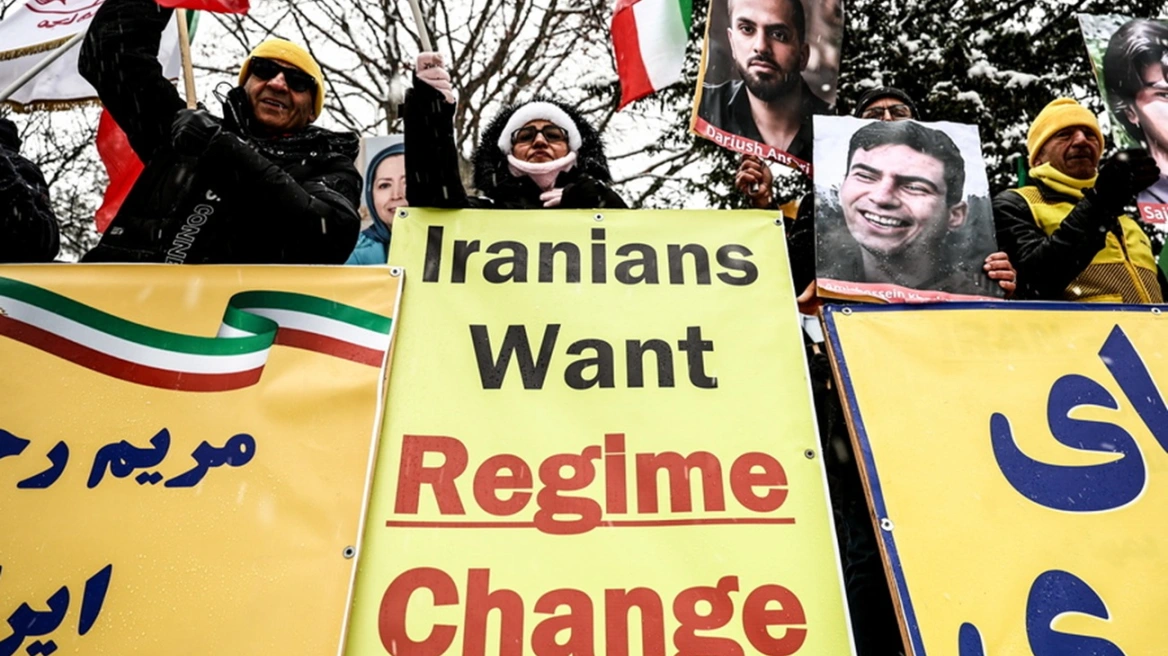
Fierce clashes continue in Iran for the 12th day, with security forces using tear gas and gunfire to disperse protesters, while exiled opposition figures call for new demonstrations and strikes. The government under Supreme Leader Ayatollah Ali Khamenei, already facing an economic crisis, is trying to suppress protests that have spread across the country.
In response to ongoing demonstrations that began on December 28 with the closure of Tehran’s bazaar, Iranian authorities have intensified repression, using tear gas and gunfire to disperse protesters. According to human rights organizations, the protests are fueled by the collapsing economy, as the rial has fallen to historic lows.
Hundreds of protesters took to the streets of Tehran, while in the city of Mashhad, Iran’s second-largest city by population, a protester drove his car into security forces, causing chaos.
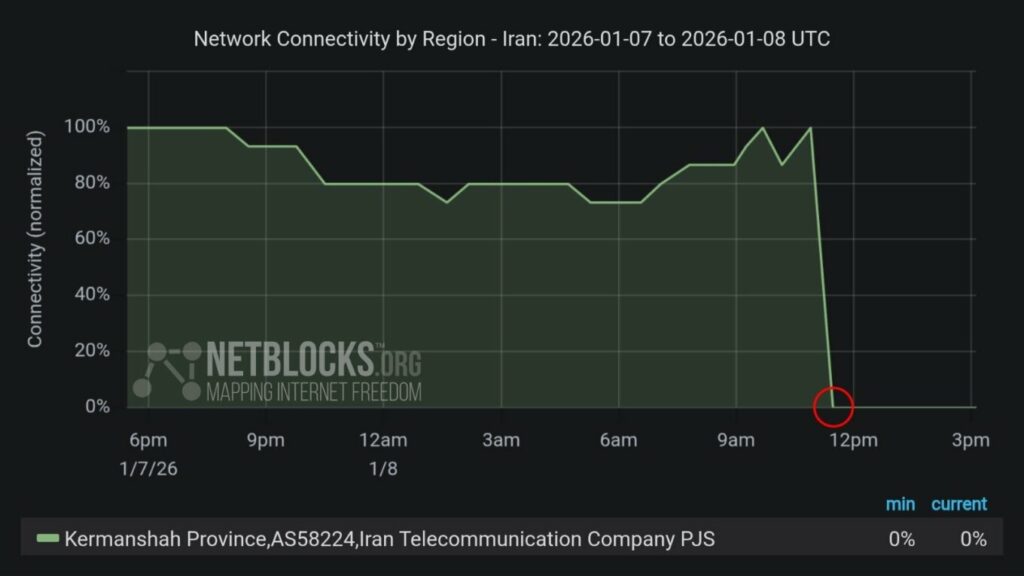
Meanwhile, the Iranian regime reportedly “pulled the plug” on the Internet, according to recordings on the Netblocks platform. A similar measure was taken in 2022 at the height of protests following the murder of Mahsa Amini.
Protests Across the Country
The movement, which began as a reaction to the economic deadlock and currency collapse, has spread nationwide, with large protests occurring daily. The Iranian government, struggling under years of sanctions and recent tensions with Israel and the U.S. in June, labels protesters as “troublemakers,” with the head of the judiciary stating there will be “no leniency” for those arrested.
In a particularly violent development, on Wednesday an Iranian police officer was fatally stabbed west of Tehran during efforts to suppress the unrest, according to Fars News Agency.
President Pezeshkian Calls for “Maximum Restraint” in Handling Protests
Iranian President Masoud Pezeshkian called for “maximum restraint” in handling the protests, during which clashes have been reported in several regions of the country.
“All violent or coercive behavior must be avoided,” Pezeshkian said in a statement on his website, urging “maximum restraint” and emphasizing “dialogue, dialogue, and listening to the demands of the people.”
Reza Pahlavi Calls for New Demonstrations
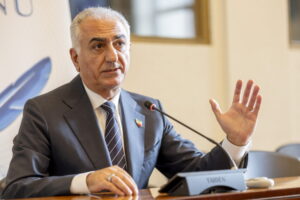
Reza Pahlavi, son of the Shah who was overthrown in the 1979 Iranian Revolution and a leading figure of the exiled opposition, said participation in Wednesday’s protests was “unprecedented” in this new phase of the demonstrations. He also called for new protests on Thursday evening and stated on social media that the regime is “deeply terrified” and attempting again to cut Internet access to block protests.
Kurdish opposition parties based in Iraq, including the Komala Party—which is banned in Iran—called for a general strike on January 8 in Kurdish-populated areas of western Iran, where protests have been particularly intense.
At Least 45 Protesters Killed Since Protests Began, Says NGO
At least 45 protesters, including eight minors, have been killed since the start of demonstrations in Iran in late December, according to a new tally released today by the Norway-based NGO Iran Human Rights (IHR).
“The repression is expanding and becoming more violent each day,” said the NGO’s director, Mahmoud Amiri-Moghaddam, adding that “hundreds” have been injured and more than 2,000 arrested.
Yesterday was the deadliest day of the 12-day protests, with 13 protesters killed.
Meanwhile, Iranian media and authorities report at least 21 deaths since the start of the demonstrations, including members of law enforcement, according to a count by Agence France-Presse (AFP).
Ask me anything
Explore related questions