




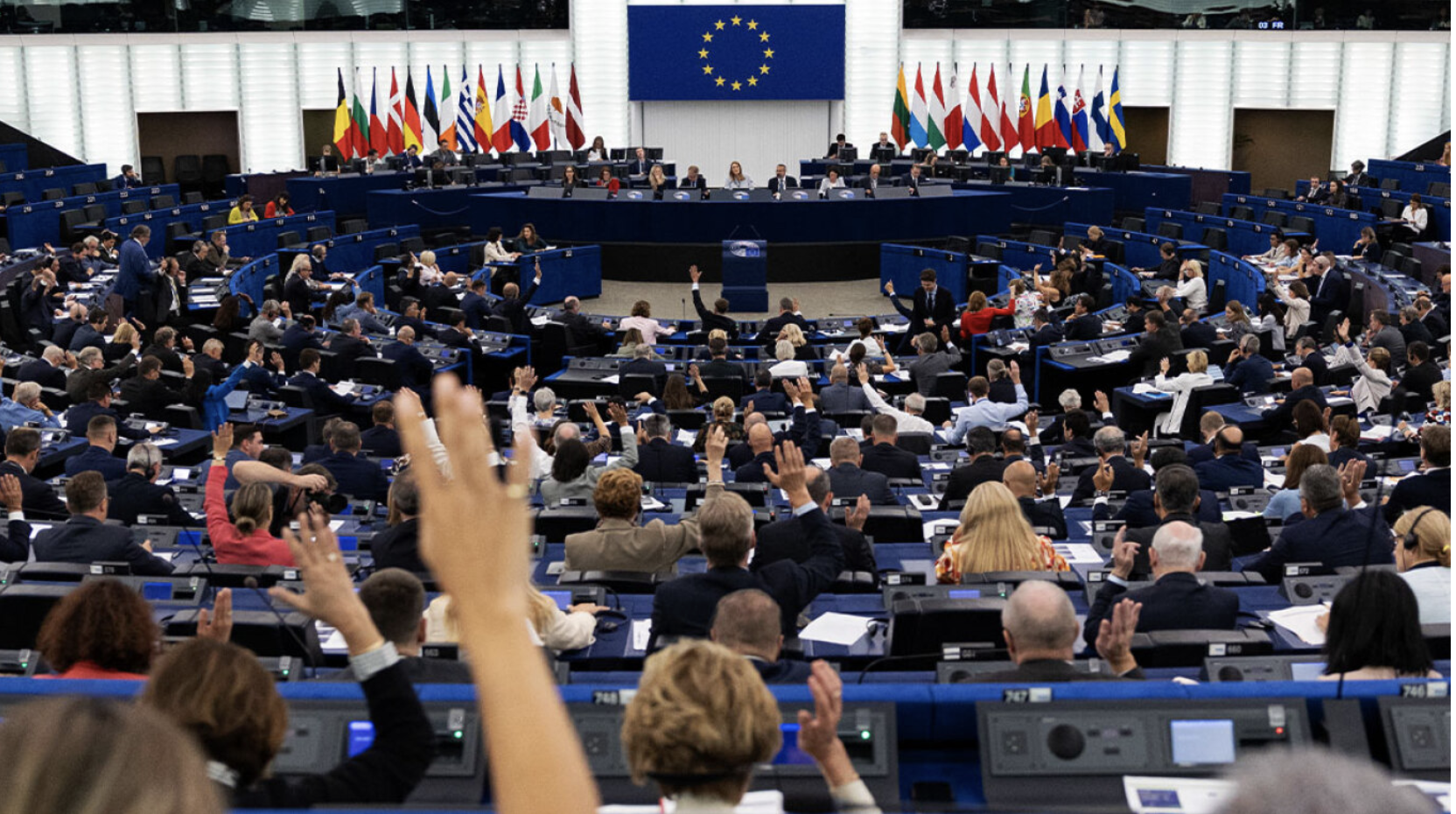
The European Union’s trade agreement with the Mercosur countries (Brazil, Argentina, Paraguay, and Uruguay) was approved by the required majority of EU member states and is now moving toward signature, according to four EU diplomats cited by Politico.
However, several countries opposed the agreement. France, Poland, Austria, Ireland, and Hungary voted against it, while Belgium chose to abstain.
EU capitals have until 6 p.m. on Friday (Greek time) to submit any objections.
The agreement includes additional safeguard measures to protect European agriculture, which would be activated in the event of a sudden surge in imports from Mercosur countries. These measures were also approved by EU member state ambassadors, who spoke on condition of anonymity.
European Commission President Ursula von der Leyen is scheduled to travel to Paraguay next week to sign the agreement.
What the EU–Mercosur Agreement Provides For
The deal is a free trade agreement that will allow the EU to export more wine, spirits, automobiles, and machinery, while facilitating the entry into Europe of meat, sugar, rice, honey, and soybeans from Latin American countries. This prospect has alarmed European and Greek farmers, who argue they cannot compete with the lower production costs of these goods.
For the agreement to pass, a qualified majority of at least 15 member states representing at least 65% of the EU population was required. Nordic countries, Germany, and Spain view the deal as a “golden opportunity” to access a massive market of 780 million consumers, at a time when U.S. tariffs and Chinese competition are putting pressure on European businesses.
Greece’s Position
Greece is among the countries that view the agreement positively, while requesting safeguards for Greek products. During a recent briefing on measures for farmers and livestock producers, Minister of Rural Development and Food Kostas Tsiaras referred to what he called certain “truths” surrounding the agreement, noting that blocking its signing is among the demands raised in farmers’ protests.
According to the data presented:
- Greek exports to Mercosur countries amount to just €34 million.
- Twenty-one Greek PDO (Protected Designation of Origin) products will be protected against imitations (such as feta cheese, olive oil, Kozani saffron, and Chios mastic).
Additionally, Greece has called for clear and effective safeguard clauses, strict enforcement of rules, continuous monitoring of the impact on European production, and the application of fair competition conditions in practice.
Greece is also seeking the redirection of funds in favor of the Common Agricultural Policy (CAP), within the Multiannual Financial Framework, as well as the use of the Unity Safety Net to address disruptions in agricultural markets.
“A Major Success,” Say German Industrialists
German industrial leaders have welcomed the approval of the Mercosur agreement as a “major success for the German and European economy.”
“The adoption of the Mercosur agreement is a significant success for the German and European economy. The European Union demonstrates its ability to act and sends a strong message in favor of free trade. The agreement proves that the EU can be a key geostrategic player,” said Tanja Gönner, Director General of the Federation of German Industries (BDI).
She highlighted as key benefits the removal of trade barriers and annual savings of around €4 billion in tariffs.
“With more than 750 million people, one of the largest markets in the world is being created. Access to critical raw materials such as lithium and copper is particularly important for electromobility and renewable energy,” Gönner said, adding that Europe “remains under pressure as the U.S. and China systematically expand their spheres of influence.”
Mercosur, she concluded, “may therefore be only the beginning,” stressing that the EU must further diversify its strategic partnerships and develop new markets, including trade agreements with India and Indonesia.
Ask me anything
Explore related questions