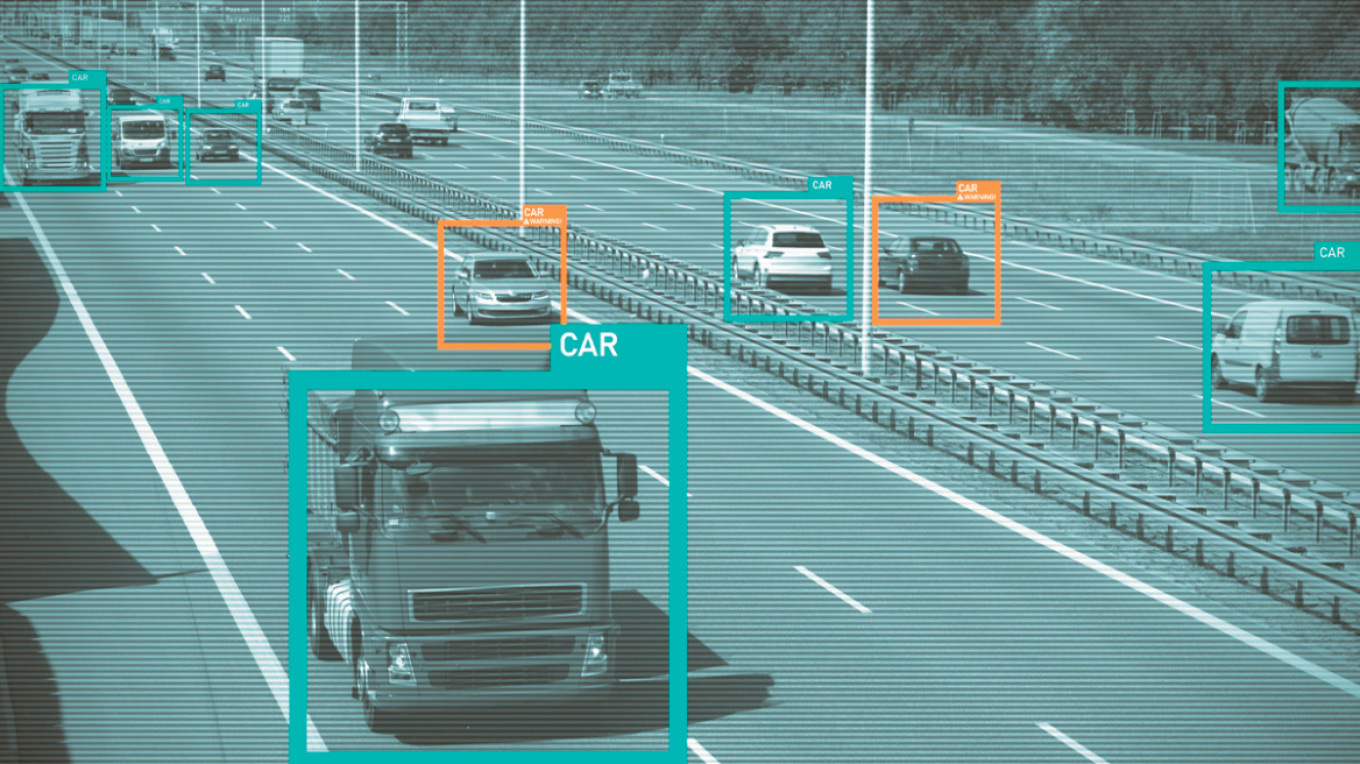
At the end of the month, the tender process is expected to conclude, determining the consortium that will install 2,000 AI cameras across Attica. As the Attica Region rolls out these “smart” cameras—capable of detecting red-light violations and speeding—at a pace of 60 per month, only minor details remain before fines can be issued electronically, with drivers seeing the notices on their mobile devices.
Currently, while the information system (from which the cameras will be managed) is pending a final decision—after an appeal hearing for participants in the tender on December 9—a pilot system previously run by the Attica Traffic Police will be used in the meantime. The key remaining question is who will actually collect the revenue from the fines. Are the usual rumors true—bonuses for police officers, debt repayment, or payments to private parties?
With RF Code
For traditional violations (such as illegal parking), municipalities will continue collecting as they do now. Regarding the cameras, under the new system, fines will be issued automatically and managed by a new specialized body of the Ministry of Interior, the ODYSSEAS system. The difference is that from now on, each fine will include an RF code, allowing citizens to pay immediately via mobile.
If the driver chooses not to pay, the fine will be forwarded to the Independent Authority for Public Revenue (AADE), where it will be registered as an overdue debt. This transfer will occur within eight months from its issuance in the Ministry of Interior system. In short, fines will be collected one way or another.
How the money is distributed
The Ministry of Interior will then allocate the revenue from camera-issued fines to the entitled bodies. From the 2,000 AI cameras to be installed and operational within the first quarter of this year, municipalities will receive 25% of each fine (for violations detected within the municipal boundaries). This percentage increases to 75% if the municipality procures and installs the camera itself, provided it connects the camera to the government system.
In addition to the municipality where the camera operates, 15% of each fine goes to the ODYSSEAS system for management, 5% to AADE, and 2% + 2% to the Police Officers’ Fund. The remainder—the largest share—goes to a special fund for road safety improvements and road works, aimed at reducing dangerous and poorly maintained roads.
Collection rate at 40%
How much are we talking about? Currently, around €110 million in traffic fines are issued annually in Greece, of which only 35–37 million are collected. The low collection rate (around 40%) stems from the fact that when a violation is recorded by a police officer in a municipality, the fine must be sent to that municipality for collection. Since many municipalities lack specialized collection services, the process is slow, with fines typically reaching drivers or AADE about a year after issuance.
According to legislation, reiterated in a circular by the Secretary-General of Local Government, Savvas Chionidis, municipalities have three years to officially record the fine and five additional years to exhaust legal remedies to collect it and direct the revenue to road safety projects. Since many municipalities lack not only proper collection mechanisms but even staff assigned to the issue—and there is no unified system for tracking fines—around 60% of fines are collected only after the five-year period.
Ask me anything
Explore related questions