





Every winter, something quiet and almost invisible happens: insects disappear from our daily lives. There is no buzzing in the air, no frantic hand-waving to chase away a bumblebee, no need for mosquito repellent.
Their absence feels so natural that we rarely stop to ask what actually happened to them. But insects haven’t gone anywhere. They haven’t vanished. And they certainly haven’t “died from the cold,” as we often say without thinking.
They have simply changed strategy.
Winter Is About Survival, Not Activity
For insects, winter is not a season of movement or growth. It is a season of survival—one that demands patience, efficiency, and intelligence. Many insects enter a state that is neither true sleep nor normal life. It is a biological pause.
Their metabolism slows down, energy use drops, and movement becomes minimal—like an engine idling at very low speed.
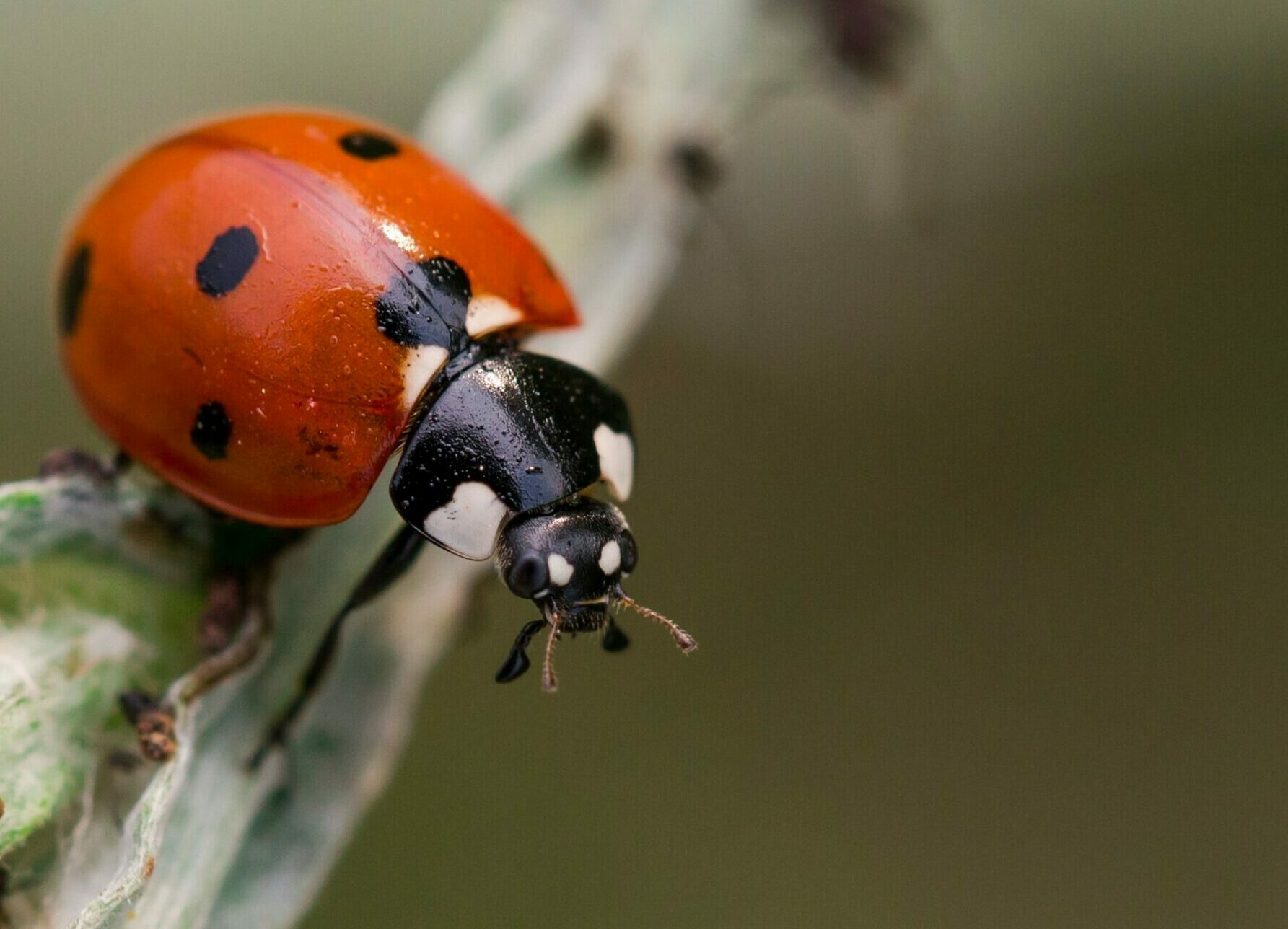
Ladybugs, beetles, and flies gather in sheltered places: rock crevices, tree bark, attics, behind shutters, even inside walls. These hiding spots are carefully chosen. Cold is not just about low temperatures—it also means wind, moisture, and energy loss. Every crack becomes a natural refuge.
If disturbed, these insects move slowly and heavily, as if waking from deep torpor.
Some Insects Don’t Spend Winter as Insects at All
Many species avoid winter altogether by changing form.
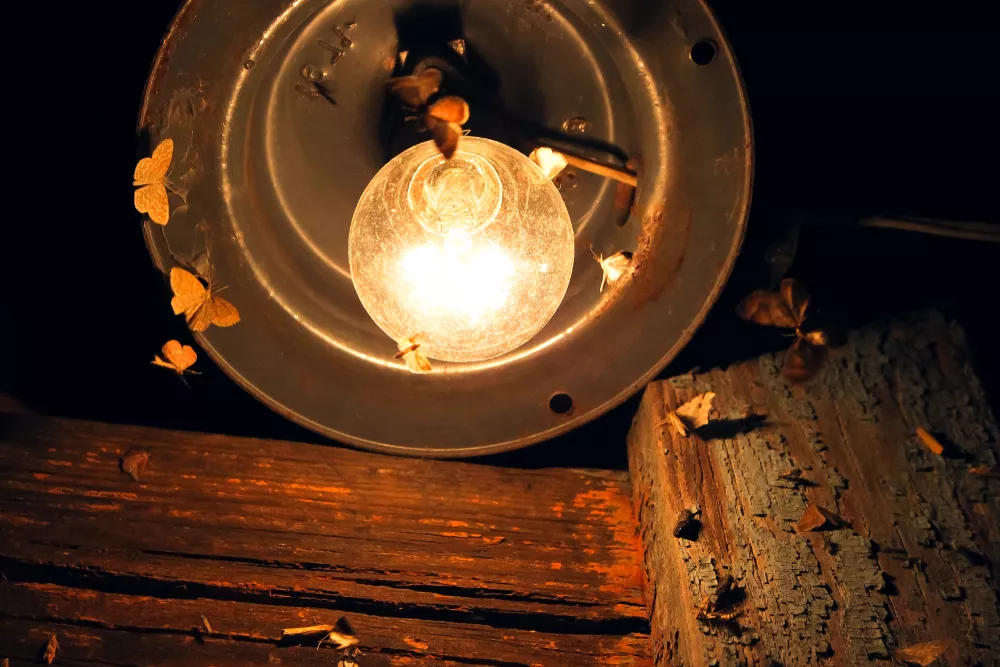
Butterflies are the clearest example. Most do not survive winter as winged adults. Instead, they overwinter as eggs attached to branches, as caterpillars hidden in soil, or as chrysalises that resemble dry leaves more than living creatures. Inside, life waits quietly.
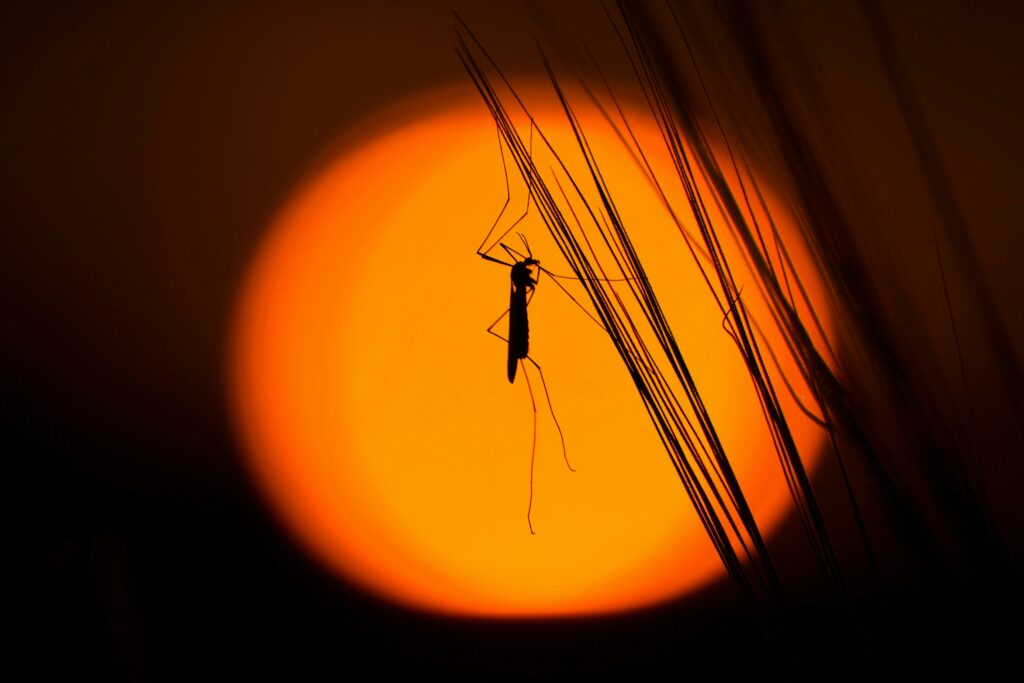
The same is true for many mosquitoes, grasshoppers, and moths. Contrary to popular belief, not all mosquitoes disappear with the first cold. In fact, some species—mainly females—find sheltered indoor spaces to survive the winter: basements, storage rooms, drains, old buildings, and even homes.
They do not bite. They do not reproduce. They remain almost motionless, as if time has paused. That is why, on an unusually warm January day, a single mosquito may suddenly appear in your living room. It’s not out of season—it simply woke up too early.
Winter as a Collective Effort
Social insects face winter together.
Ants retreat deeper into their nests, where temperatures remain stable. They eat very little, live off stored reserves, and dramatically reduce activity.
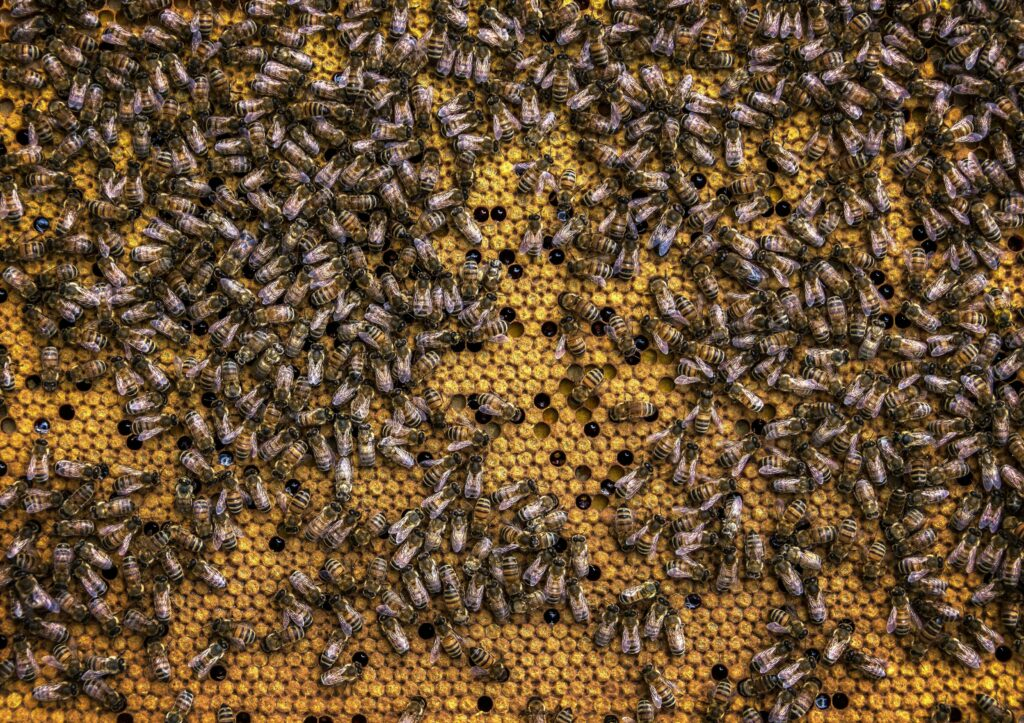
Bees follow a different path. They do not hibernate. Instead, they form a tight cluster inside the hive—a living structure that produces heat. By moving very little, rotating positions, and consuming honey, they keep the hive warm enough to survive. For bees, winter is a test of discipline and cooperation.
Those That Never Really Stop
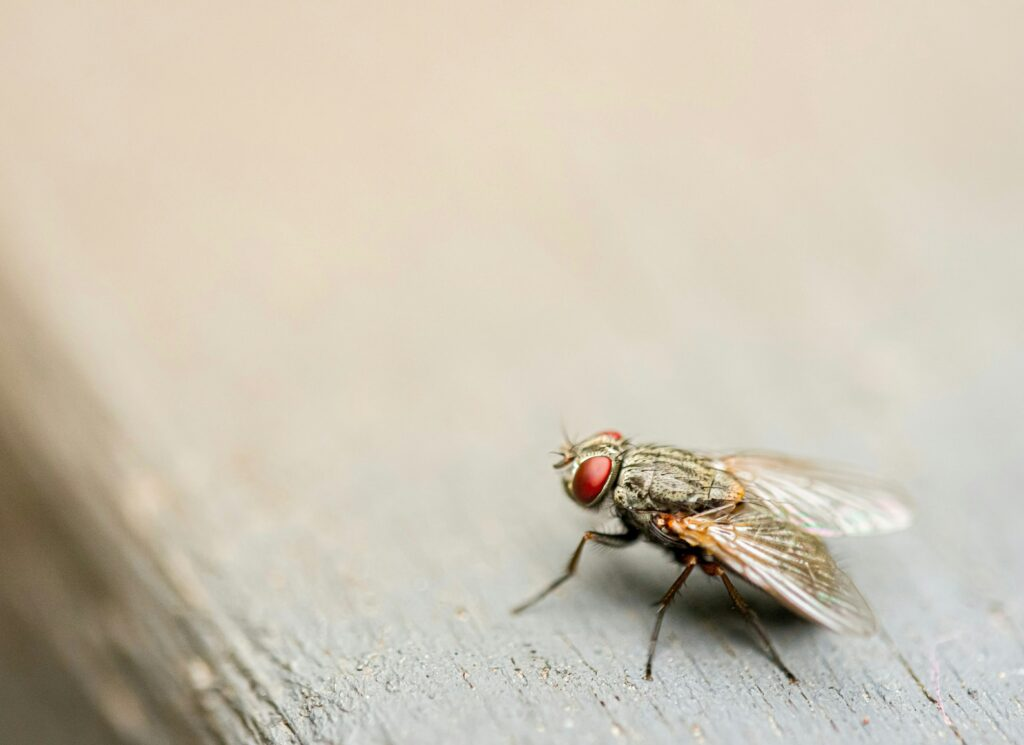
Some insects take advantage of human environments. Cockroaches, fleas, and certain flies continue to live almost normally in cities. Heating, food, and enclosed spaces create a small, artificial summer.
What deceives us is the silence.
Winter feels empty of insects because we don’t see or hear them. But beneath our feet, inside the soil, under leaves, within tree trunks and wall cracks, life continues quietly. Insects do not disappear.
They wait.
And perhaps that waiting—the ability to know when it is not their time—is their most remarkable skill. When spring arrives, they will not come from nowhere. They will simply continue from where they paused.
And then, the buzzing will return once again.
Ask me anything
Explore related questions


