






RAF veterans who were exposed to a hazardous chemical while deployed in Iraq say they continue to face uncertainty over their health, more than two decades after their service, and feel that official responses have fallen short.

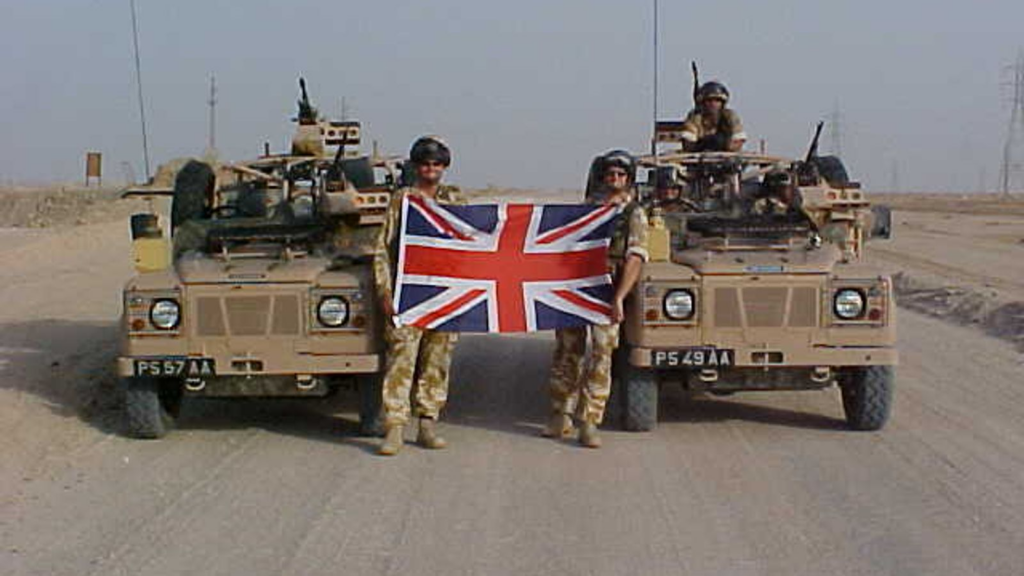
British soldiers stationed at the Qarmat Ali water treatment plant in southern Iraq in 2003 say they were not offered biological screening after exposure to sodium dichromate, a toxic substance known to pose cancer risks, despite internal guidance recommending such checks.
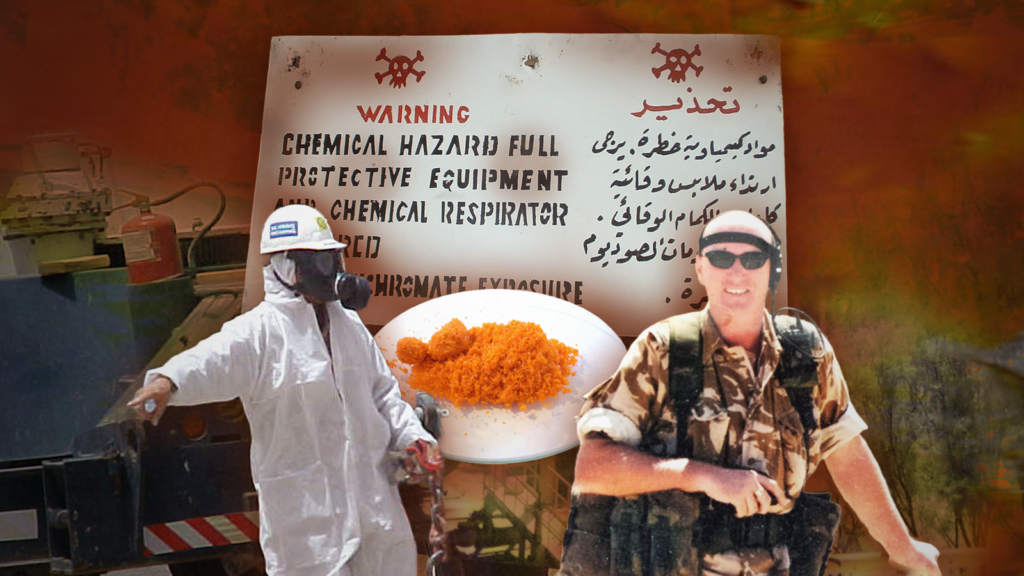
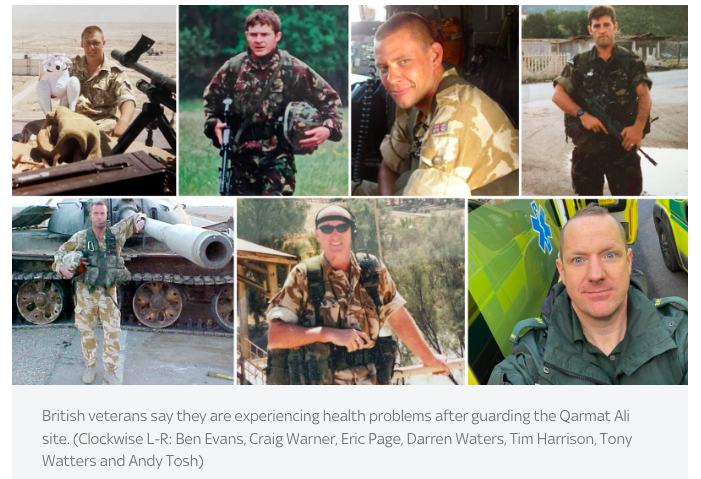
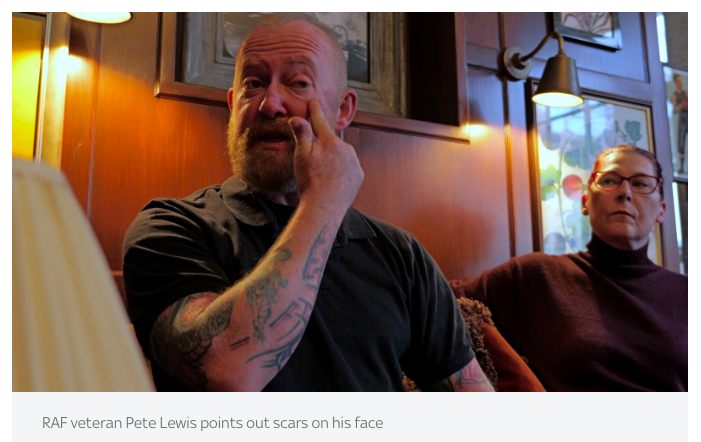
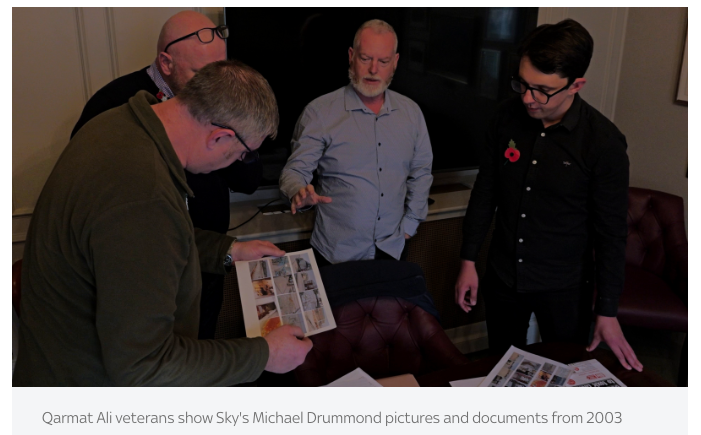
Sky News has spoken to 15 RAF veterans who were deployed to the site. None said they were offered screening or long-term medical follow-up, although several report having developed cancers, tumours, persistent nosebleeds, or skin conditions in the years since.
The Ministry of Defence (MoD) maintains that medical screening was offered at the time and has declined to comment on calls for an apology or a formal inquiry.
Exposure at Qarmat Ali
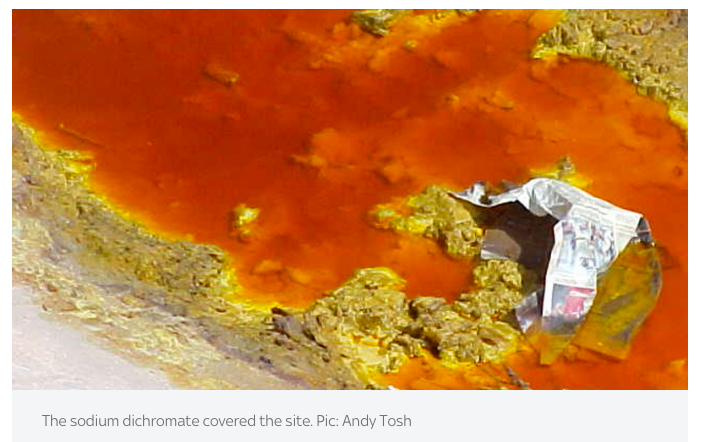
Qarmat Ali, a derelict industrial site considered important for restarting Iraq’s oil production following the invasion, was heavily contaminated with sodium dichromate, a bright orange industrial chemical classified as a carcinogen.
Veterans describe the site as being covered with torn sacks of the substance, with powder dispersed into the air.
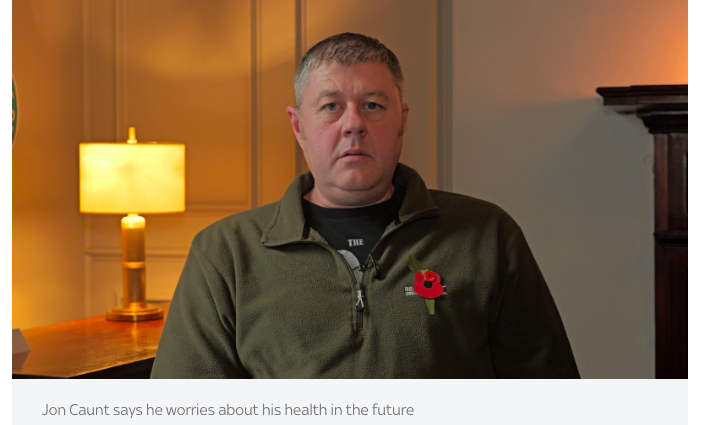
“We were never warned what the bags of chemicals were,” said Jon Caunt, who served at the site. “We were breathing it in.”
Several veterans said they assumed the environment was safe, as no warnings were issued during their deployment.
Emerging health symptoms
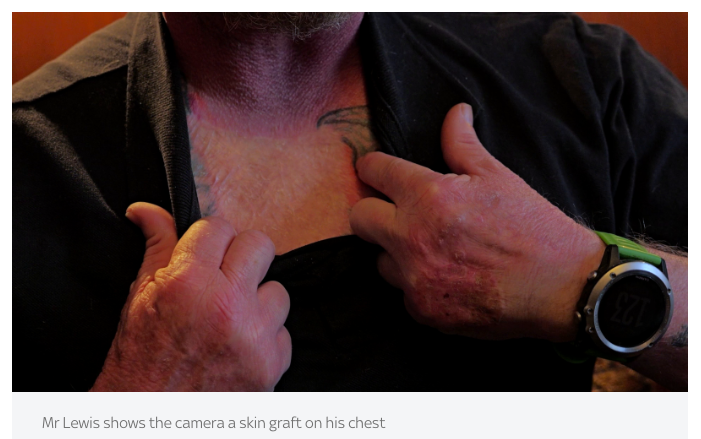
While guarding the site in extreme heat, personnel reported unexplained symptoms including nosebleeds, rashes, and skin lesions.
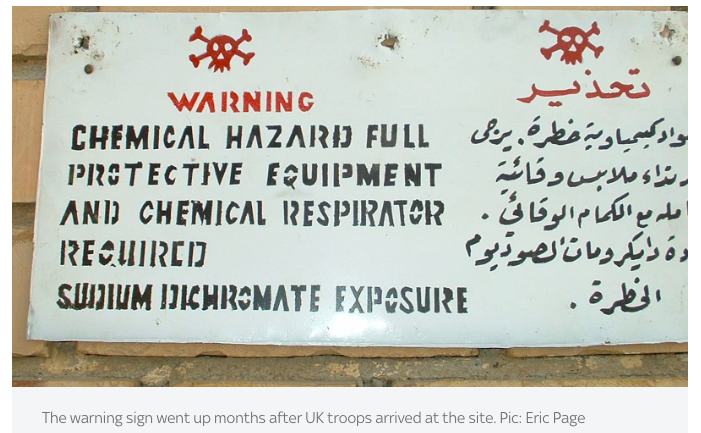
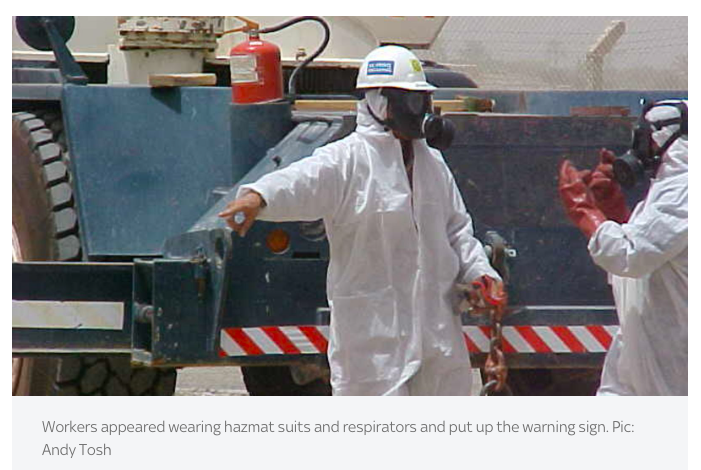
Months after their arrival, warning signs were erected indicating a chemical hazard and requiring full protective equipment and respirators.
“When the signs went up, it was a shock,” said Andy Tosh, who led the unit. “But even then, we were kept there.”
Veterans say their uniforms and personal equipment became contaminated, raising concerns about secondary exposure both at the site and back at base.
RAF health guidance
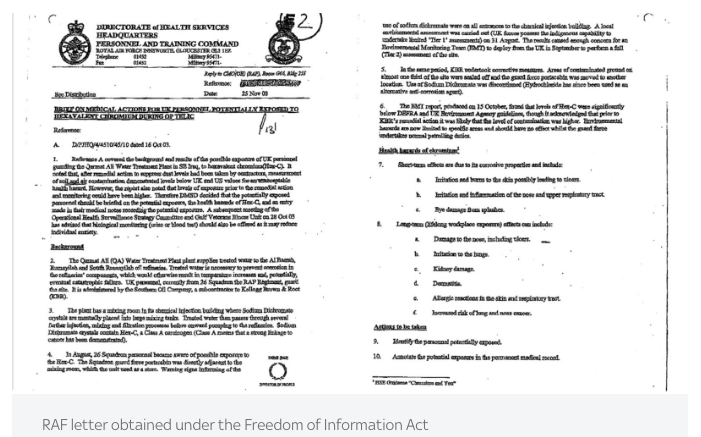
An internal RAF health authority letter dated 25 November 2003, obtained by Sky News under the Freedom of Information Act, acknowledged that sodium dichromate was a class A carcinogen and warned of increased cancer risks after prolonged exposure.
The document advised that exposed personnel should be identified, their medical records annotated and biological screening offered once numbers were confirmed.
None of the veterans interviewed said this screening was provided.
Comparison with the US response
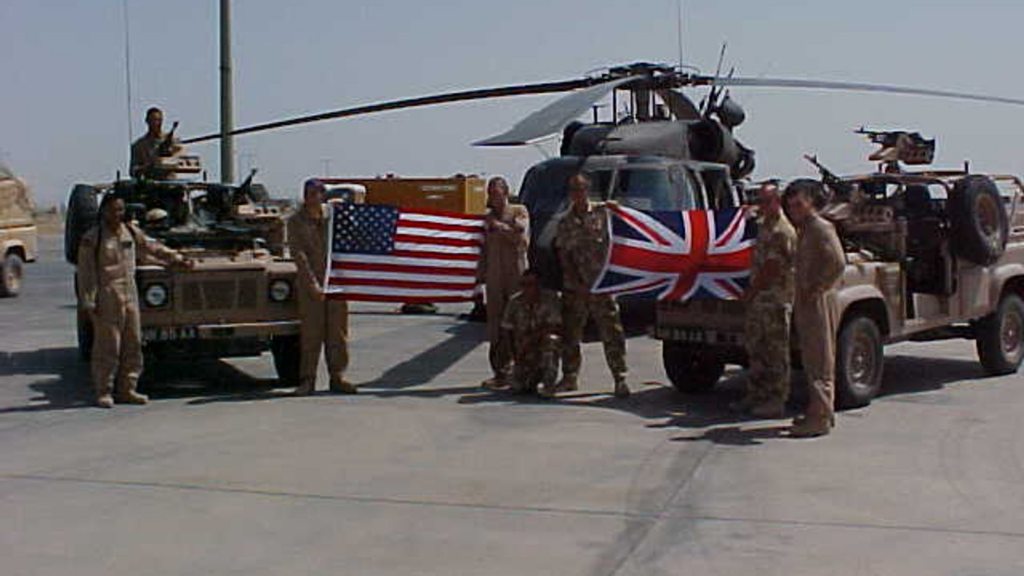
Around 830 US troops were also deployed to Qarmat Ali and later benefited from a national inquiry that concluded they were unintentionally exposed to toxic chemicals. US veterans have access to dedicated support through the Department of Veterans Affairs.
In contrast, no formal investigation or dedicated support programme has been established in the UK, despite British troops often being deployed at the site for longer continuous periods.
Ongoing concerns
Thirteen of the 15 veterans interviewed reported ongoing health issues, including four cancer diagnoses and one brain tumour.
“My skin cancer is treatable, but it comes back,” said Jim Garth. “It’s something I’ll be dealing with for life.”
Others described anxiety about potential future illness and frustration over what they see as a lack of accountability.
Government response
The MoD stated that it takes veterans’ concerns seriously and noted that environmental surveys conducted at the time found contamination levels below the UK guidance thresholds. However, a 2004 letter acknowledged that contamination levels were likely higher before a clean-up took place.
The MoD added that veterans can access treatment through Defence Medical Services and apply for compensation under the War Pensions Scheme.
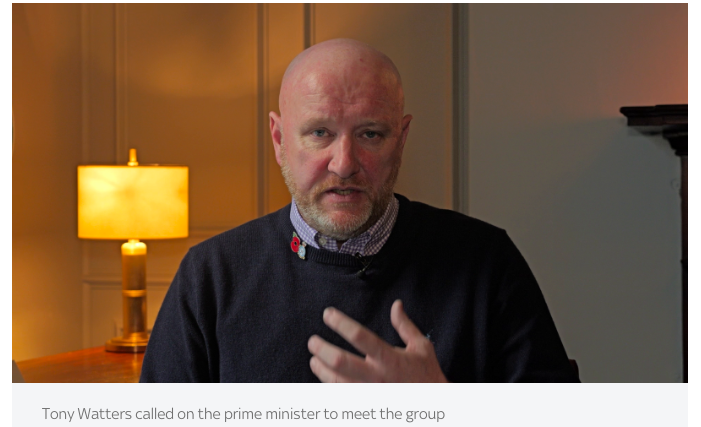
Veterans have called for a thorough investigation into their exposure and more comprehensive long-term medical support.
“We felt let down then, and still feel let down now,” said Mr Garth.
Ask me anything
Explore related questions