





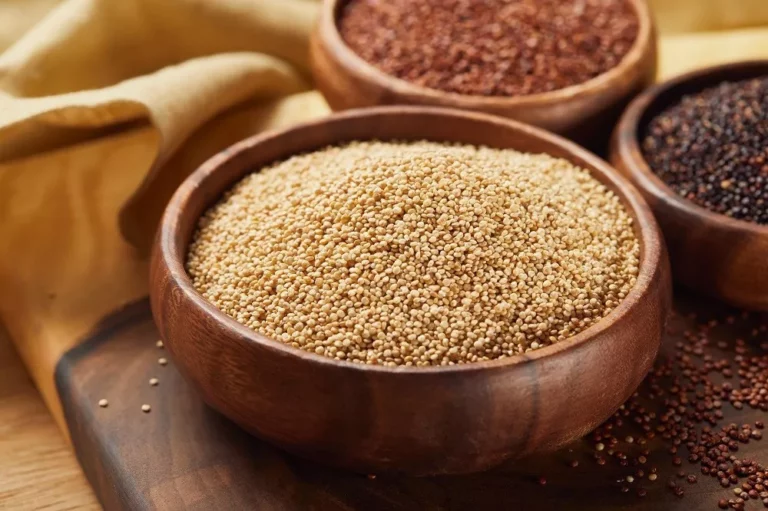
In recent years, quinoa and chia seeds have gained popularity as “superfoods,” often touted as more nutritious alternatives to traditional staples like rice and pasta. But how do they actually compare in terms of nutritional value, and which should you choose for a healthier diet?
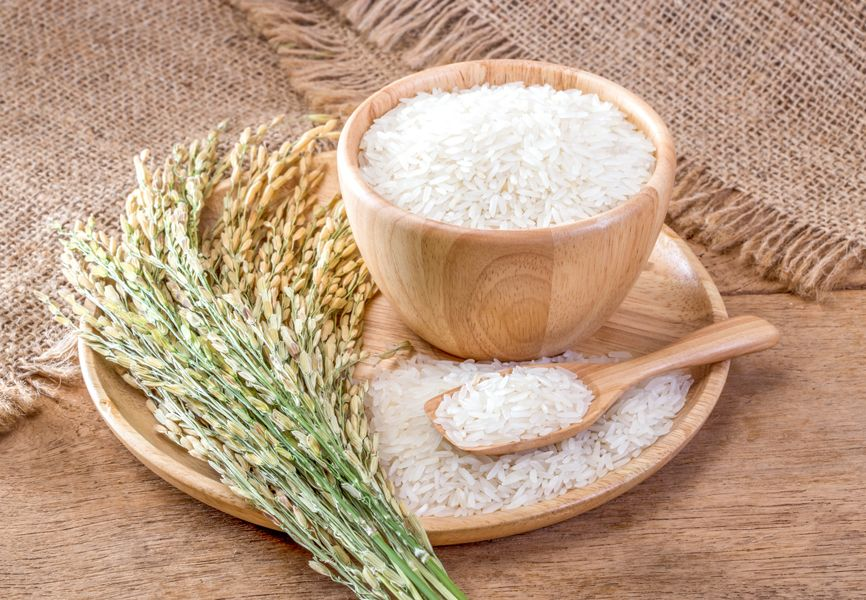
Quinoa: A Nutritional Powerhouse
Quinoa stands out for its high protein content—about 8 to 9 grams per 100 grams cooked—compared to roughly 3 to 4 grams found in white rice and pasta. What’s more, quinoa is a complete protein, meaning it contains all the essential amino acids your body needs but cannot produce on its own. This makes it an excellent choice, especially for vegetarians and vegans looking to meet their protein requirements.
Quinoa also offers twice the dietary fiber of white rice and pasta, helping to keep you fuller for longer and supporting better digestion. Additionally, its lower glycemic index means it causes a slower, steadier rise in blood sugar, which is beneficial for maintaining energy levels and preventing sugar crashes.
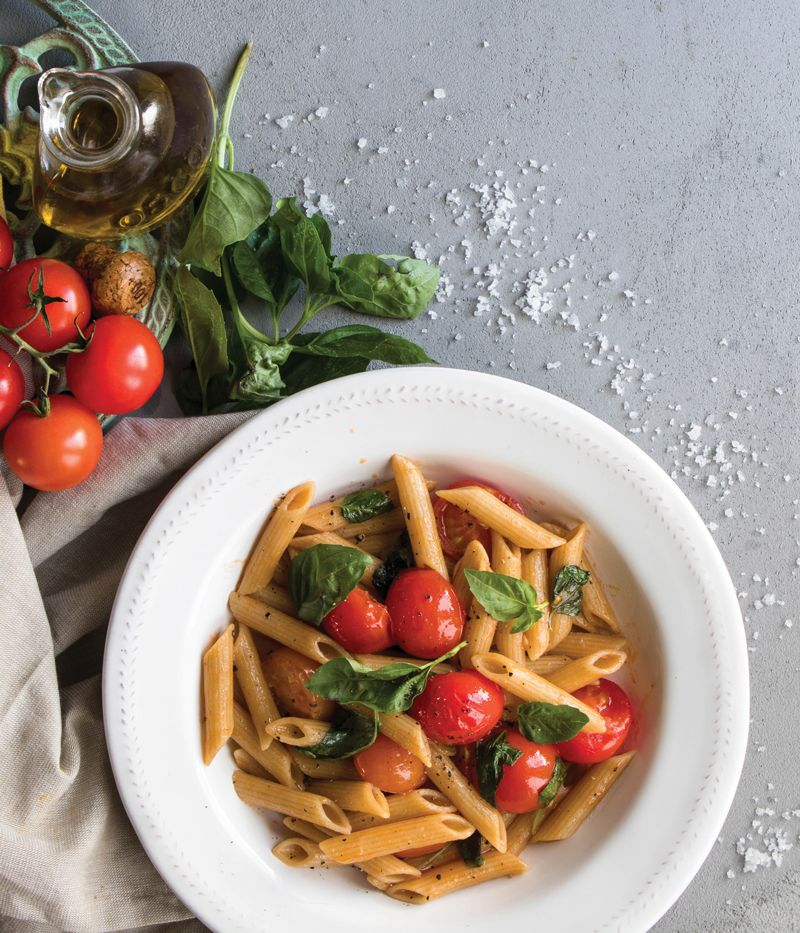
Rice and Pasta: Choose Whole Grain for More Benefits
When it comes to rice and pasta, opting for whole-grain varieties rather than the white, refined versions can make a significant difference. Whole grain products retain the bran, germ, and endosperm—the parts of the grain rich in fiber, vitamins, and minerals.
Fiber is key to digestive health and helps regulate blood sugar, making whole-grain rice and pasta a smarter choice for those managing diabetes or trying to avoid energy spikes and cravings throughout the day. Plus, regular consumption of whole grains is linked to reduced risk of heart disease, certain cancers, and healthier body weight maintenance.
What About Calories?
Calorie-wise, quinoa, rice, and pasta are fairly comparable:
- Quinoa: ~120 kcal per 100 grams
- White rice: ~130 kcal per 100 grams
- Pasta: ~150 kcal per 100 grams
Chia seeds, however, are much more calorie-dense at around 486 kcal per 100 grams, but typical servings are much smaller—usually just a tablespoon or two—so the actual calorie intake is moderate.
Chia Seeds: Tiny But Mighty
Chia seeds pack a nutritional punch, especially with their high fiber content (34 grams per 100 grams) and excellent source of omega-3 fatty acids. They also contain more protein than rice and can absorb liquids to form a gel, which slows digestion and lowers the glycemic impact of meals.
Studies show chia seeds can improve markers of metabolic health, including lowering triglycerides, LDL cholesterol, and blood pressure when consumed regularly as part of a balanced diet.
Which Should You Choose?
There’s no one-size-fits-all answer. Whole-grain pasta is a satisfying, fiber-rich base for meals. Quinoa provides a complete plant protein and important minerals. Chia seeds excel in fiber and omega-3s but are generally consumed in smaller amounts.
The best approach is to enjoy a variety of these foods, combining them to benefit from their unique nutritional qualities. Including quinoa and chia seeds alongside whole grain rice and pasta can help you maintain a balanced diet and support overall health.
Ask me anything
Explore related questions