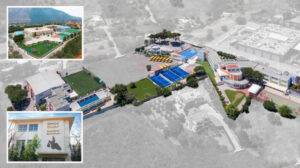
The landscape of Greek private education is undergoing constant restructuring, increasingly attracting the interest of leading international education groups and foreign investment funds. After a six-month pause following the “storm” of acquisitions between May 2024 and July 2025, a new cycle of private school acquisitions has already begun, confirming that the sector remains firmly on the radar of international investors.
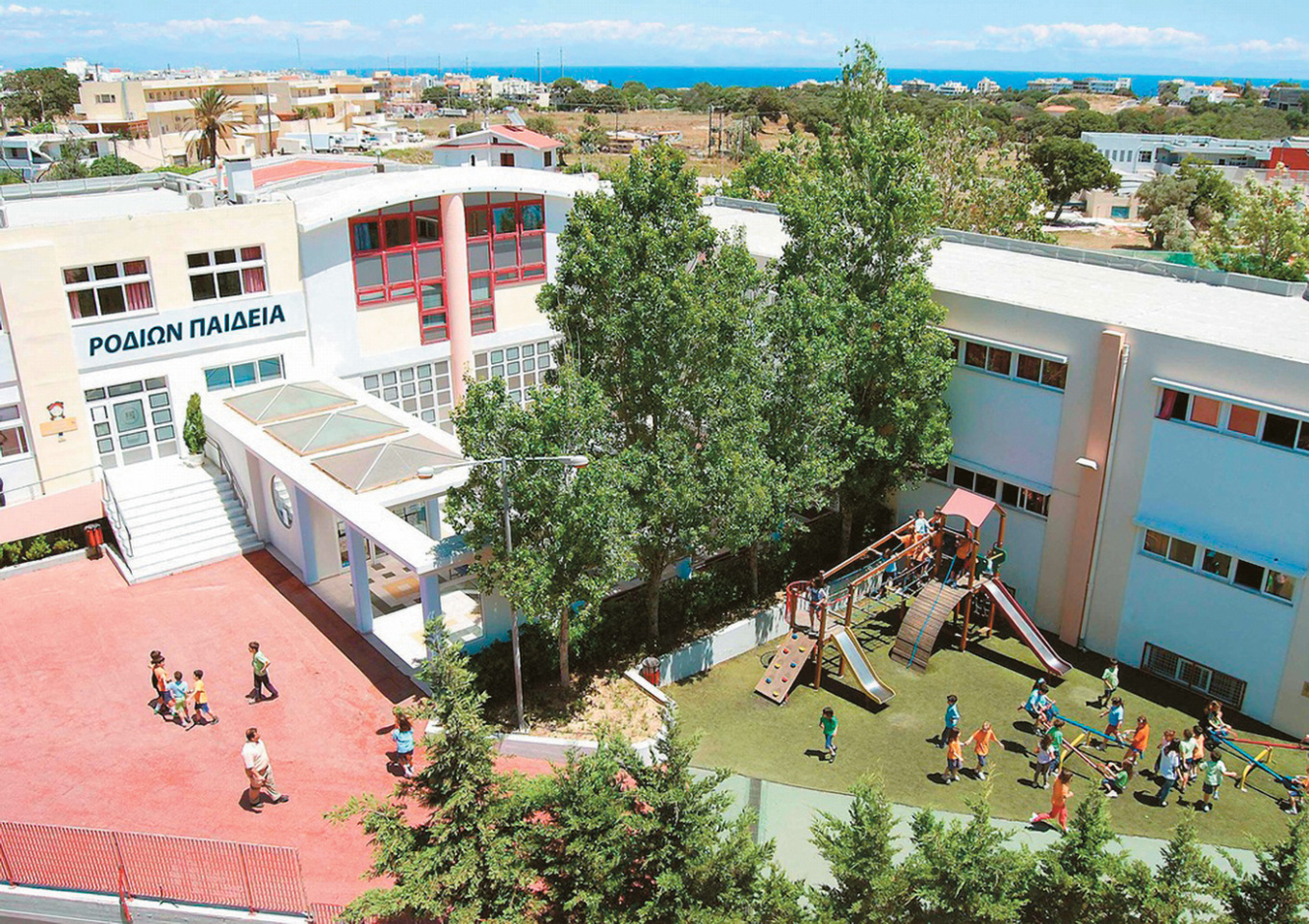
The start of this second wave is marked by the ninth acquisition to date—and the first outside Athens and Thessaloniki—with the Rodion Paideia Education Group in Rhodes being acquired by the UK-based Forfar Education, which is entering the Greek market for the first time. The deal, announced last week, appears to signal the beginning of a broader new wave of acquisitions by foreign education groups.
According to market sources cited by Protothema, additional investment moves are already in preparation. In reality, discussions in the sector never fully stopped; after months of negotiations, new agreements are now reaching maturity. Sources indicate that up to ten private schools in regional cities—including Thessaloniki, Patras, Agrinio, and Heraklion—are currently under evaluation by an already established education group, with advanced talks reportedly underway with several school owners.
Strong Market Interest and Strategic Targets
At the same time, strong rumors suggest that two of Athens’ most emblematic private schools—the Erasmeios Greek-German School and the Ionios School—have attracted interest from foreign groups, either for acquisition or strategic partnership.
Erasmeios stands out for its 60 years of experience in German-language education and its state-of-the-art campus in Kantza, Attica. Ionios School brings with it more than a century of history, participation in the International Baccalaureate (IB) Diploma Programme, and campuses in Philothei and Maroussi. Both schools share key strengths: elite teaching staff and consistently high student performance, including strong results in Greece’s national university entrance exams.
Additional market chatter points to investor interest in two more schools in Eastern Attica and the northern suburbs, as well as one smaller school in Thessaloniki with fewer than 1,000 students.
How the Second Wave Differs from the First
During the first wave of acquisitions, foreign investors focused mainly on large, well-established schools with strong reputations, more than 1,000 students, modern infrastructure, and proven academic performance—including high PISA scores. The nine schools already acquired represent around 10% of all private school students in Greece.
In the second wave, while large schools remain a priority, investors are increasingly targeting mid-sized regional schools and select high-quality institutions in Athens. As a result, the capital required for these new deals is expected to be lower than in the first phase, which included the largest transactions.
Notably, four of the five foreign groups currently investing in Greek private education are British, with one Swiss-British group. All operate extensive international school networks and were founded after 2004.
Forfar Education Enters Greece
Forfar Education recently completed the acquisition of Rodion Paideia, a school group with a strong reputation despite its relatively short 23-year history. Among its distinctions, Rodion Paideia belongs to the elite group of 417 Microsoft Showcase Schools worldwide.
Forfar Education was founded in 2016 by Scottish entrepreneur John Forsyth and now owns 16 schools worldwide, ranging from kindergarten to upper secondary education. Its portfolio spans the UK, Portugal, Spain, and Andorra, with Rodion Paideia becoming the group’s 17th school. The company has also established a subsidiary in Athens, expanding activities in early childhood education, retail educational goods, catering services, and publishing.
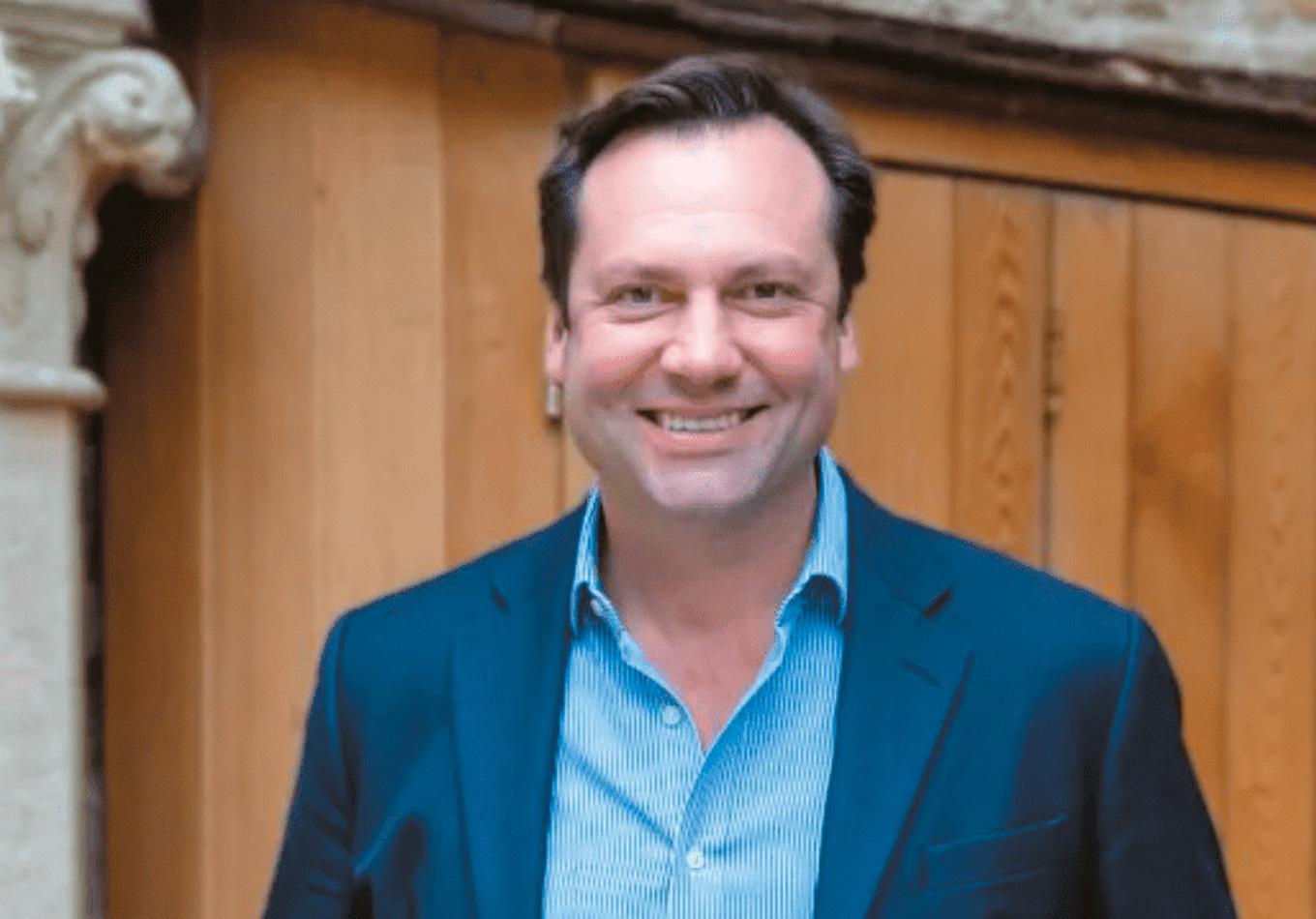
Forsyth has previously held senior leadership roles at Mars Ltd in the UK and as CEO of Chandler Corporation in Singapore and Vietnam. His philosophy emphasizes school autonomy combined with the benefits of international collaboration, innovation, and shared best practices.
The First Wave: How It Began
The first foreign investment in Greek private education came in May 2024, when Dukes Education acquired the International School of Athens (ISA). This was followed by a series of major deals, including acquisitions by Inspired Education Group, Cognita, and International Schools Partnership, involving some of Greece’s most prestigious schools.
Together, these transactions reshaped the sector, expanding international curricula, upgrading infrastructure, and increasing competition across the private education market.
A Market on the Rise
Greek private education has followed a strong upward trajectory over the past three decades, with the exception of the 2012–2018 economic crisis. Changing parental attitudes—favoring quality, safety, and academic value—combined with rising incomes and stagnation in public education have driven enrollment growth.
Today, private schools in Greece serve around 125,000 students, compared to just 70,000 during the crisis years. However, private education still accounts for only 8–9% of students aged 3–18, well below the international average of 13%, indicating significant growth potential.
The market is now valued at approximately €1.2 billion, with annual enrollment growth of 15–20% over the past five years. Capacity constraints have further increased demand for investment in infrastructure, staff, and innovation—creating ideal conditions for foreign investors.
From Family Schools to Global Networks
The Greek private education sector is undergoing a structural transformation. Traditional family-run schools are gradually giving way to international education networks, bringing capital, expertise, modern teaching methods, and global academic standards.
This shift is redefining private education in Greece—positioning it as a dynamic, competitive, and internationally connected market with long-term growth prospects.
Ask me anything
Explore related questions