




A small Turkish flag was standing on the desk of the offices of the Turkish-backed faction in a residential area of Şanlıurfa, in southern Turkey. The men in the room, most of them veteran fighters from eastern Syria, were expecting me and did their best to locate a Syrian revolutionary flag in time for our meeting in the summer of 2019. They could not find one. Everything about the meeting, its location, décor, and content, indicated to me that the men in the room were not the ones in charge. They hoped soon to launch an offensive on northeastern Syria, but had no idea when the real decision-makers, Turkish officials, would give them their marching orders.
The creation of the Turkish-backed Free Syrian Army (TFSA), also known as the Syrian National Army (SNA), was the result of a strategic shift in Turkey’s position in Syria. In the early years of the civil war, Turkey aimed to remove Assad from power. Following Russia’s direct intervention in the war, in September 2015, the balance of power decisively shifted in favor of the Assad regime. Turkey therefore adjusted its ambitions to advance a narrower set of interests. At the top of Ankara’s priorities were the aim of preventing the entry of additional Syrian refugees and a desire to combat the Kurdish People’s Protection Units (YPG), the leading component of the Syrian Democratic Forces, an umbrella that also includes Arab and Syriac militias. The YPG is a Syrian-based offshoot of the armed movement inspired by the teachings of the imprisoned Kurdish leader Abdullah Öcalan that has waged a bloody insurgency against Turkey since the 1980s. Because the SDF worked closely with the US military in the campaign against ISIS in Syria, Ankara watched with growing concern as the Kurdish-led militia gained control over large swaths of that country.
Already, back in August 2016, Turkey had decided to take action to prevent the SDF from linking two enclaves under its control, Efrîn and Manbij in the Aleppo hinterland, and to expel remaining pockets of ISIS fighters from this border region. That operation, codenamed Euphrates Shield, was the first in which Turkey deployed factions that would go on to become the Syrian National Army as a supporting force alongside the Turkish military. A second operation in early 2018, named Olive Branch, used these factions to expel YPG forces from Efrîn and bring it under the control of Turkey and its Syrian factions. The latest operation, named—apparently without irony—Peace Spring, was set in motion after US President Donald Trump announced the withdrawal of US forces stationed near Syria’s border with Turkey that had been working with the SDF. Turkey sought to capitalize on the YPG’s loss of American protection by beginning an operation to drive it out of northeastern Syria.
The suspicious death of pedophile ring whistleblower Natacha Jaitt
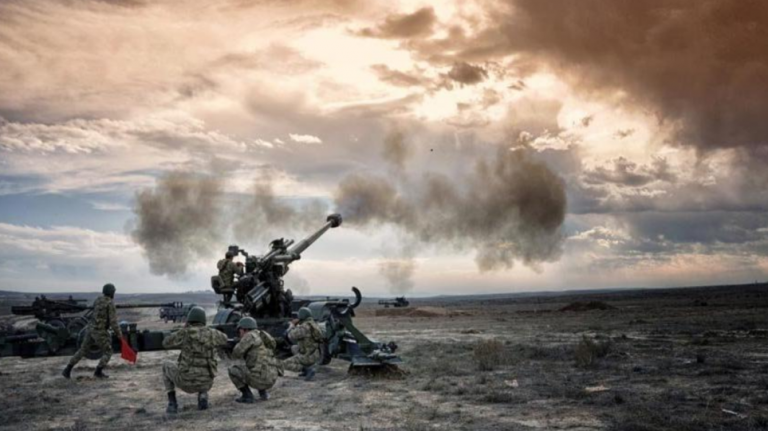
After the Turkish-led invasion began, these Turkish-backed militias rapidly gained notoriety after their members were filmed in a series of videos that showed them chanting extremist slogans and carrying out field executions. One US official labeled them “thugs and bandits.” The latest Turkish operation compelled the SDF’s leadership to invite Syrian regime forces into large swaths of northeastern Syria. Thus these fighters, who present themselves as revolutionaries fighting the regime, helped Assad regain a foothold across a vast territory without firing a single bullet.
But who exactly are the roughly 35,000 Syrian men fighting on Turkey’s behalf in Syria? I have maintained regular contact with some of these fighters since as early as 2014. Most are Sunni Arabs, displaced from their homes in the course of the war. Multiple interviews I have conducted by phone, instant-messaging, and face to face in Turkey with these fighters since 2014 reveal them to be a motley crew of often traumatized and impoverished men who feel pushed into fighting on Turkey’s behalf for financial gain. Some of these fighters join the factions to rob and loot, but those who did not have that motive increasingly realize that Turkey’s interests do not align with their hopes of toppling the Assad regime, as Ankara signals its willingness to cooperate with the Assad regime. Individuals like this, I have found, struggle to rationalize and justify—to themselves and their communities—their actions and affiliation with these factions, which are much-despised by fellow Syrians, particularly by civilians living under their rule.
Read more: ny books
Ask me anything
Explore related questions