A state of alert has been declared in southern China in recent days, as more than 7,000 cases of the chikungunya virus have been reported in Guangdong Province since July. Authorities have implemented strict containment measures, reminiscent of the COVID-19 pandemic.
According to the BBC, in Foshan, the most affected city, chikungunya patients are required to remain in the hospital, where their beds are protected with mosquito nets. They are only discharged after a negative test or after staying in the hospital for one week.
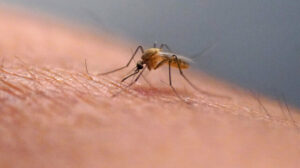
The virus is transmitted through the bite of an infected mosquito and causes fever and intense joint pain, which can sometimes last for years. It is not transmitted from person to person.
What is the chikungunya virus?
Symptoms appear 3 to 7 days after a person is bitten by an infected mosquito.
In addition to fever and joint pain, symptoms include rash, headache, muscle pain, and joint swelling.
Most patients recover within a week. However, in more severe cases, joint pain may persist for months or even years.
High-risk groups for severe illness include newborns, the elderly, and those with underlying conditions such as heart disease or diabetes.
There is no treatment, and deaths are rare.
The virus was first identified in Tanzania in 1952 and later spread across Sub-Saharan Africa and Southeast Asia.
Cases have now been reported in over 110 countries.
According to the World Health Organization, the best way to prevent the virus from spreading is to eliminate stagnant water, which is where mosquitoes breed.
How is China responding to chikungunya?
Authorities across Guangdong have vowed to take “decisive and strict measures” to stop the outbreak.
People showing symptoms such as fever, joint pain, or rash are urged to visit the nearest hospital for virus testing.
Residents have been instructed to remove stagnant water from their homes — such as from plant pots, coffee makers, or empty bottles — or face fines of up to 10,000 yuan (approx. €1,200) for non-compliance.
Additionally, giant mosquitoes that can eat smaller, virus-carrying insects have been released, along with mosquito-eating fish.
Last week, authorities in Foshan released 5,000 larva-eating fish into city ponds.
In some areas, drones are being used to detect pools of standing water.
Comparisons to COVID-19 lockdowns
Many people are drawing comparisons to COVID-19-era restrictions and questioning whether such strict measures are necessary.
A user on Weibo wrote:
“This feels so familiar. But is it really necessary?”
Another commented: “What’s the point of quarantine? It’s not like an infected patient will start biting other people.”
China famously enforced extremely strict lockdowns during the COVID-19 pandemic — including mandatory quarantine camps and full lockdowns of buildings and neighborhoods with very short or no notice.
Chikungunya Outbreak Expands
Beyond Foshan, at least 12 more cities in Guangdong have reported cases, with nearly 3,000 new cases just in the past week.
Hong Kong reported its first imported case in a 12-year-old boy who had recently traveled to Foshan and developed fever, rash, and joint pain.
Authorities emphasize that all reported cases so far are mild, with 95% of patients discharged within 7 days.
Still, the outbreak has caused panic, since the virus is not well known in the country.
Ask me anything
Explore related questions