×
GreekEnglish

×
  • Politics
  • Diaspora
  • World
  • Lifestyle
  • Travel
  • Culture
  • Sports
  • Cooking
Monday
12
Jan 2026
weather symbol
Athens 6°C
  • Home
  • Politics
  • Economy
  • World
  • Diaspora
  • Lifestyle
  • Travel
  • Culture
  • Sports
  • Mediterranean Cooking
  • Weather
Contact follow Protothema:
Powered by Cloudevo
> Environment

Lionfish in the Mediterranean: The solution is to catch it and eat it

The lionfish is spreading rapidly in the Mediterranean, threatening fisheries, biodiversity, and the balance of a unique ecosystem

Newsroom September 17 05:55

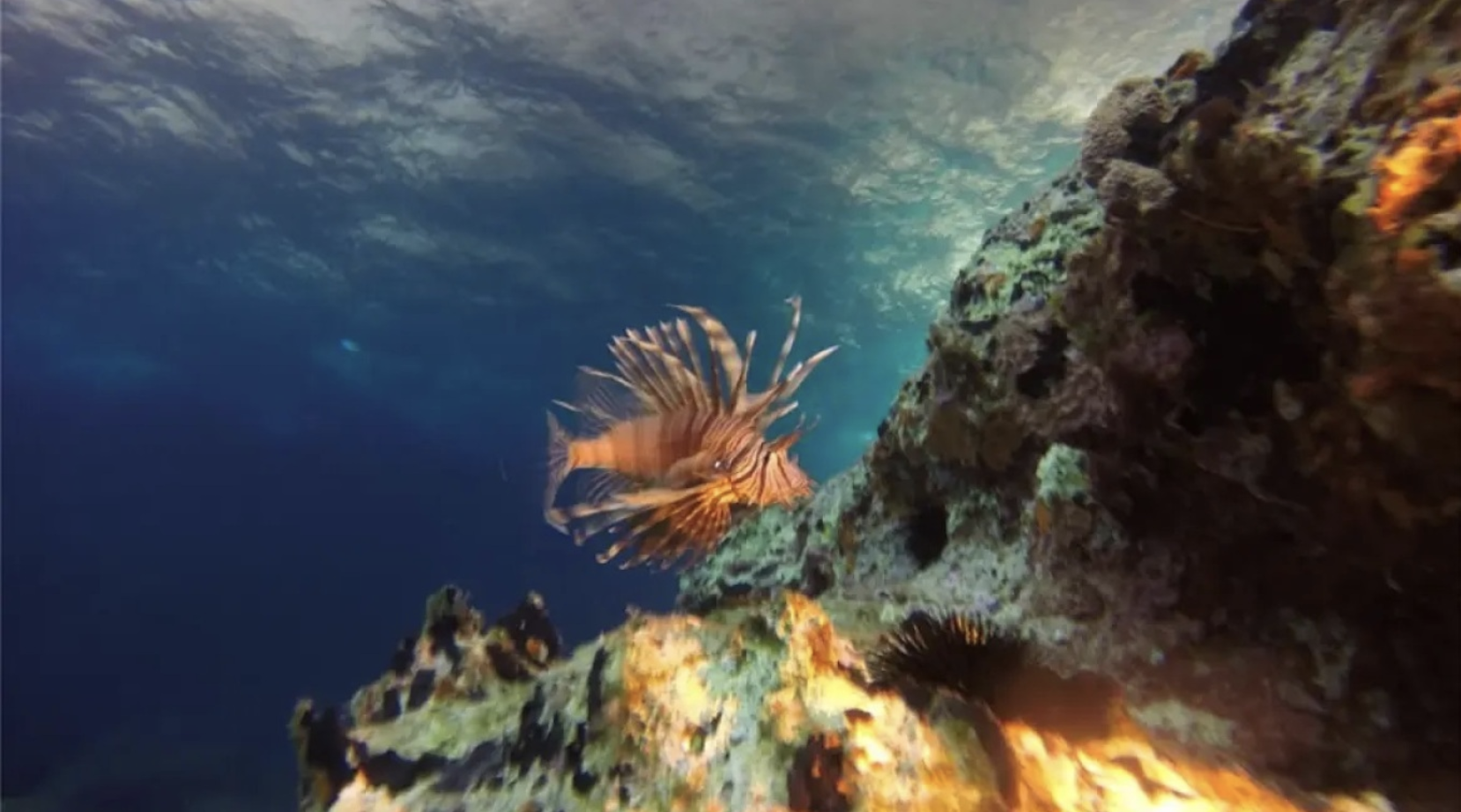
In Greece, we have a habit: to deal with problems only when they have already reached uncontrollable proportions – usually because we already have enough problems. In the case of the lionfish, by the time we realize the magnitude of the danger, it will already be too late.

A Growing Threat

The invasion of the lionfish in the Mediterranean began in 2013, when it was first recorded off the coast of Cyprus. This species entered via the Suez Canal, taking advantage of the opening of the waterway between the Red Sea and the Mediterranean. Rising water temperatures have allowed the lionfish not only to survive but also to establish a permanent presence in the eastern and southeastern parts of the basin.

Today, its population is growing exponentially, seriously threatening fisheries, biodiversity, and the ecological balance of this unique marine ecosystem. The lionfish is impressive in appearance but destructive in behavior. In areas where it has settled, it sweeps everything in its path.

Destructive Behavior and Rapid Reproduction

And that’s not all: a female lionfish can lay up to 42,000 eggs per week – over 2,200,000 eggs per year. If its spread continues at this rate, in five years we could have up to 30% fewer fish in the Mediterranean than today.

The Importance of the Mediterranean

The Mediterranean is not just another sea. It is the largest enclosed marine ecosystem on the planet and hosts more than 11,000 animal species, of which 9% of the approximately 540 native fish species are endemic – meaning they exist nowhere else in the world. Every loss here is global.

The hope that local fauna will adapt is probably utopian. Even removing them is not easy. Their spines remain dangerous even after death, as the venom remains active. A simple puncture can cause intense pain and swelling due to the release of venom from specialized glands located in the dorsal spines.

Human Consumption as a Solution

>Related articles

Urgent Weather Alert from the Hellenic National Meteorological Service: Severe cold wave from this afternoon – Areas where snowfall is expected

Mitsotakis’ first review for 2026: The international community cannot ignore authoritarian regimes

Sports broadcasts of the day: Aris – AEK and the Real Madrid – Barcelona final stand out

However, there is a way out: human consumption. Lionfish are tasty, nutritionally valuable, and not poisonous – only their spines contain venom. In areas where programs promoting lionfish consumption have been implemented, a partial reduction in their populations has been observed.

Unfortunately, misinformation remains strong. Many fishing communities avoid catching them because they believe the fish are entirely venomous, allowing lionfish to continue their destruction unchecked, while targeting species that are ecologically valuable.

If we want to protect our sea and our traditions, we must act now. Awareness, targeted fishing, commercial utilization. The lionfish will not disappear. But we can control it – if we truly want to.

Ask me anything

Explore related questions

#greece#lionfish#mediterranean#Red Sea#Suez Canal
> More Environment

Follow en.protothema.gr on Google News and be the first to know all the news

See all the latest News from Greece and the World, the moment they happen, at en.protothema.gr

> Latest Stories

Hits on Russian Lukoil oil platforms from Ukraine

January 11, 2026

In the shadow of the bribery video, Christodoulides’ wife resigns from the Independent Social Support Agency, denounces “relentless” attacks

January 11, 2026

Cartel de los Soles at the Presidential Palace of Caracas: The drug-trafficking network that Chávez set up with Sinaloa and that kept Maduro in power

January 11, 2026

Trump “weighs” a strike on Iran: Military not ready, fears of retaliation – “Foreign terrorists” kill civilians & burn mosques, Pezeshkian says

January 11, 2026

Urgent Weather Alert from the Hellenic National Meteorological Service: Severe cold wave from this afternoon – Areas where snowfall is expected

January 11, 2026

Mitsotakis’ first review for 2026: The international community cannot ignore authoritarian regimes

January 11, 2026

Bob Weir, co-founder of the Grateful Dead, dies at 78

January 11, 2026

Sports broadcasts of the day: Aris – AEK and the Real Madrid – Barcelona final stand out

January 11, 2026
All News

> Greece

Urgent Weather Alert from the Hellenic National Meteorological Service: Severe cold wave from this afternoon – Areas where snowfall is expected

A rapid deterioration of the weather is expected from Sunday afternoon, with snow in mountainous, semi-mountainous, and lowland areas of northern Greece. The Risk Assessment Committee of Civil Protection convened

January 11, 2026

Weather: Temperature plunge of up to 10 degrees from today through Tuesday – Where it will snow

January 11, 2026

Three-day cold spell hits the country with a sharp temperature drop – Where it will snow (videos)

January 10, 2026

Severe weather arriving from tomorrow with temperatures dropping by up to 10°C – where it will snow

January 10, 2026

Tornado lifts moving car into the air, moments of terror for the driver (video)

January 9, 2026
Homepage
PERSONAL DATA PROTECTION POLICY COOKIES POLICY TERM OF USE
Powered by Cloudevo
Copyright © 2026 Πρώτο Θέμα