Condé Nast Traveller’s 2026 list highlights both well-known and quieter, more authentic Greek destinations, sparking a discussion about where it is truly worth traveling.
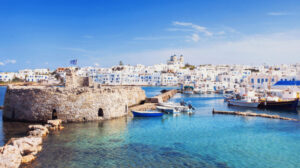
With Paros topping the ranking, the globally renowned travel publication Condé Nast Traveller released its popularity list for 2026, featuring many islands from the Cyclades as well as the Ionian Sea.
In its introduction, the magazine notes:
“Greece has 227 inhabited islands scattered across the Aegean, the Mediterranean, and the Ionian Sea, so knowing where to start can be difficult. Not only are there so many Greek islands to choose from, but each one is different from the next. Some are small and undefined; others are large and vary from town to town, from coastline to coastline, offering something different—whether it’s food, culture, or history—no matter how many times you return. Alongside sun, sea, and sand, it is this variety that makes the Greek islands so appealing to every kind of holidaymaker: whether you’re looking for lazy days in the sun, action-packed weeks of mountain hiking, table reservations at popular hotspots, time exploring traditional villages (and their tavernas), or a chance to escape it all, there is a Greek island that suits you.”
What follows is the ranking of the most beautiful Greek islands recommended for visiting, based on each island’s defining characteristics as described by the magazine’s editors:
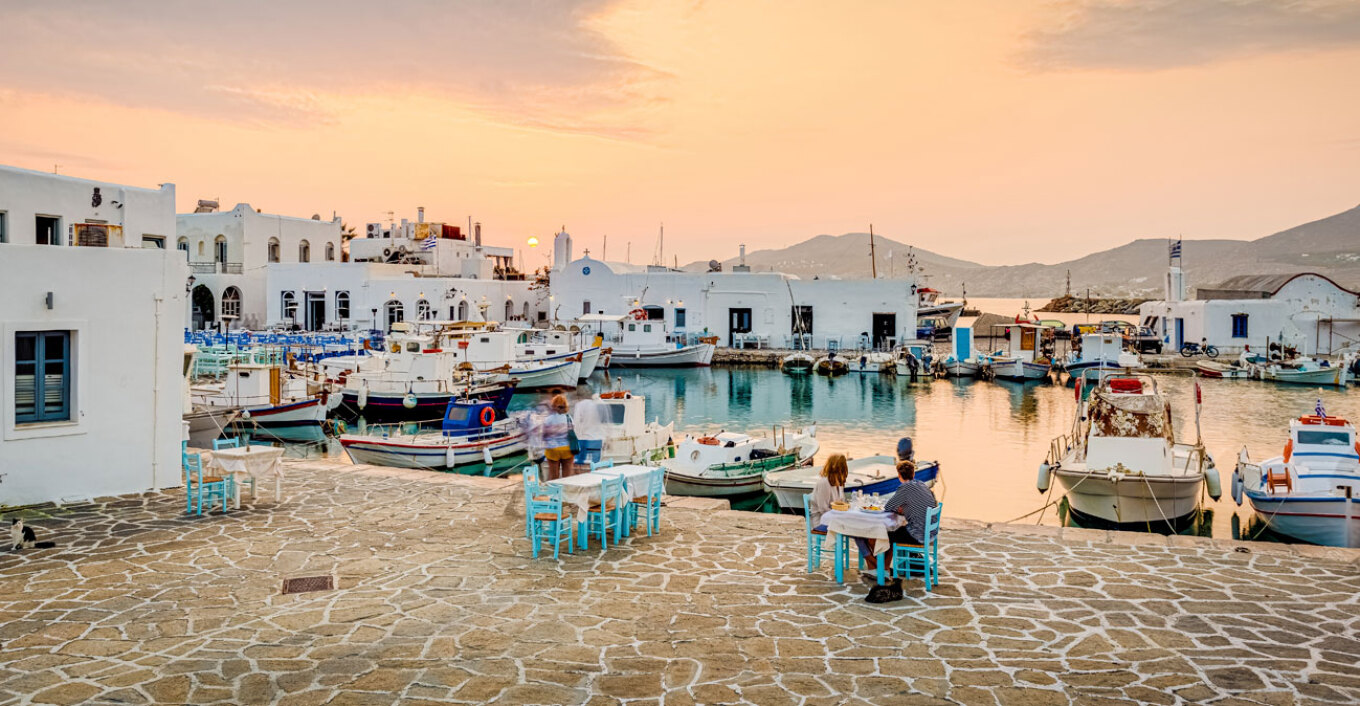
Paros
Not long ago, Paros was the island favored mainly by Greeks and relatively unknown to international visitors. While some may still promote it as an “up-and-coming Greek island,” it firmly belongs in the “well-known and popular” category—though that in no way makes it any less beautiful.
Sifnos
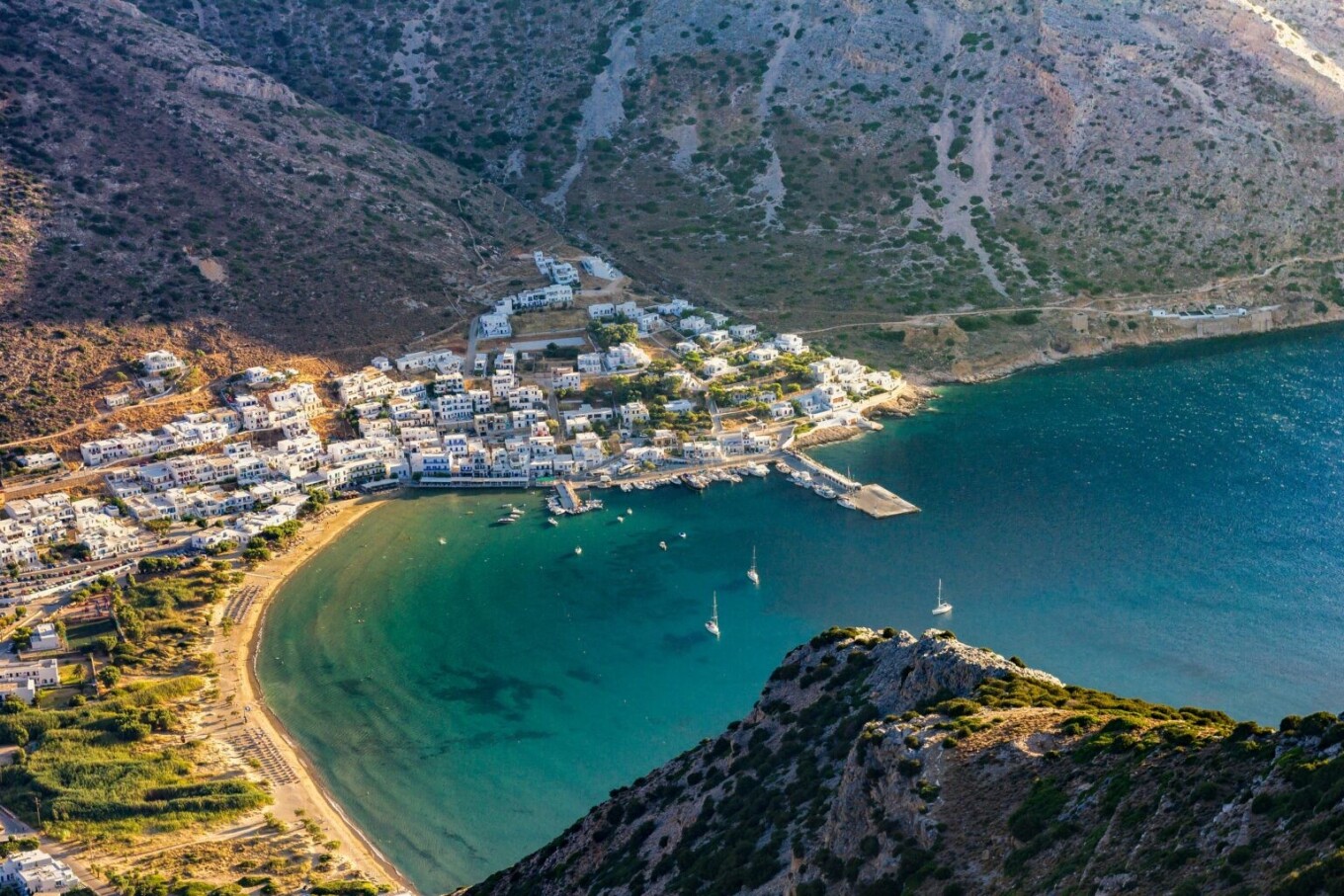
One of the best islands for food. It all began when Nikolaos Tselementes, a native of Sifnos, wrote the first notable Greek cookbook, published in the early 1900s. Paving the way for what would follow on the island, he stirred things up by departing from traditional recipes and modernizing classic dishes.
Syros
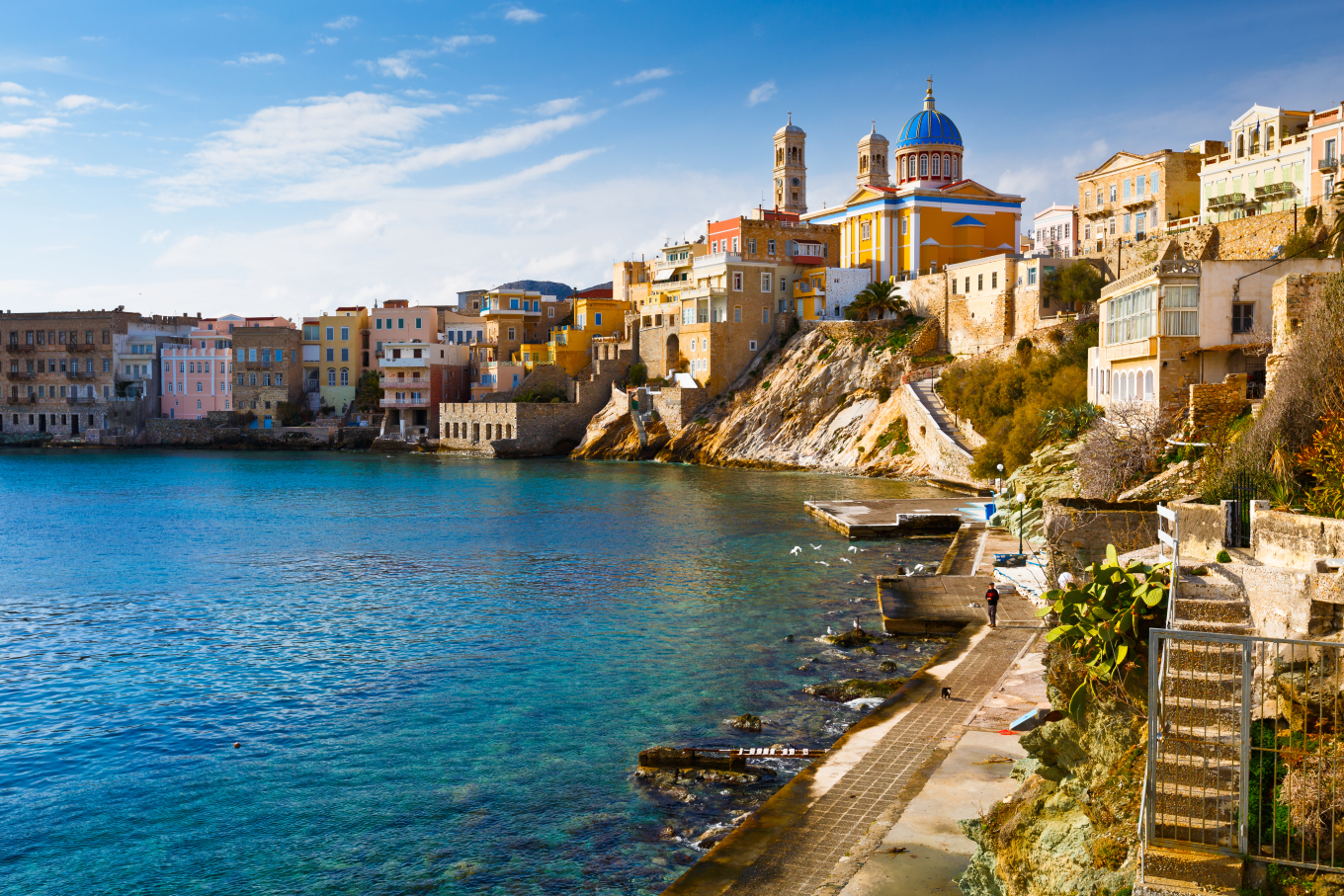
Syros offers visitors a more authentic glimpse of Greek island life. Its buildings are a blend of Cycladic, Venetian, and neoclassical architecture and are larger than those on neighboring islands. Towering proudly along the coastline of Ermoupoli are the 19th-century Apollo Theatre—designed as a replica of Milan’s La Scala—the imposing Church of Saint Nicholas with its blue dome and orange façade, and the striking Ermoupoli Town Hall, built under the supervision of Ernst Ziller, with a 15-meter-high entrance staircase rivaling that of any European capital.
Folegandros
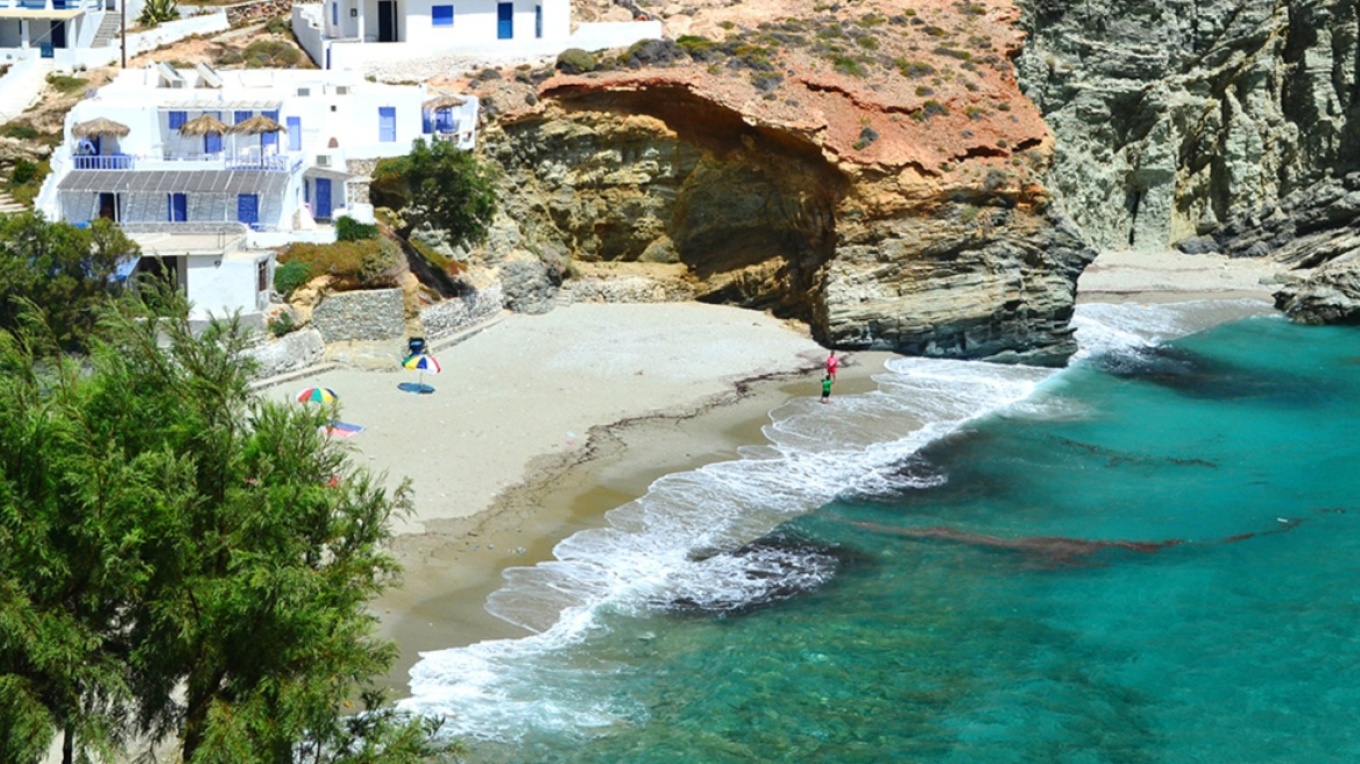
Despite having lived in Greece for many years, it took me a while to visit Folegandros. The moment I set foot on the island, I couldn’t understand why I had hesitated. My best advice for this rocky island? Just go. It may be barren, but this is more than made up for by the warmth of its people (a cliché, I know, but very true in this case). There is a word for this in Greek: philoxenia, roughly translating to “friendliness toward strangers.”
Kefalonia
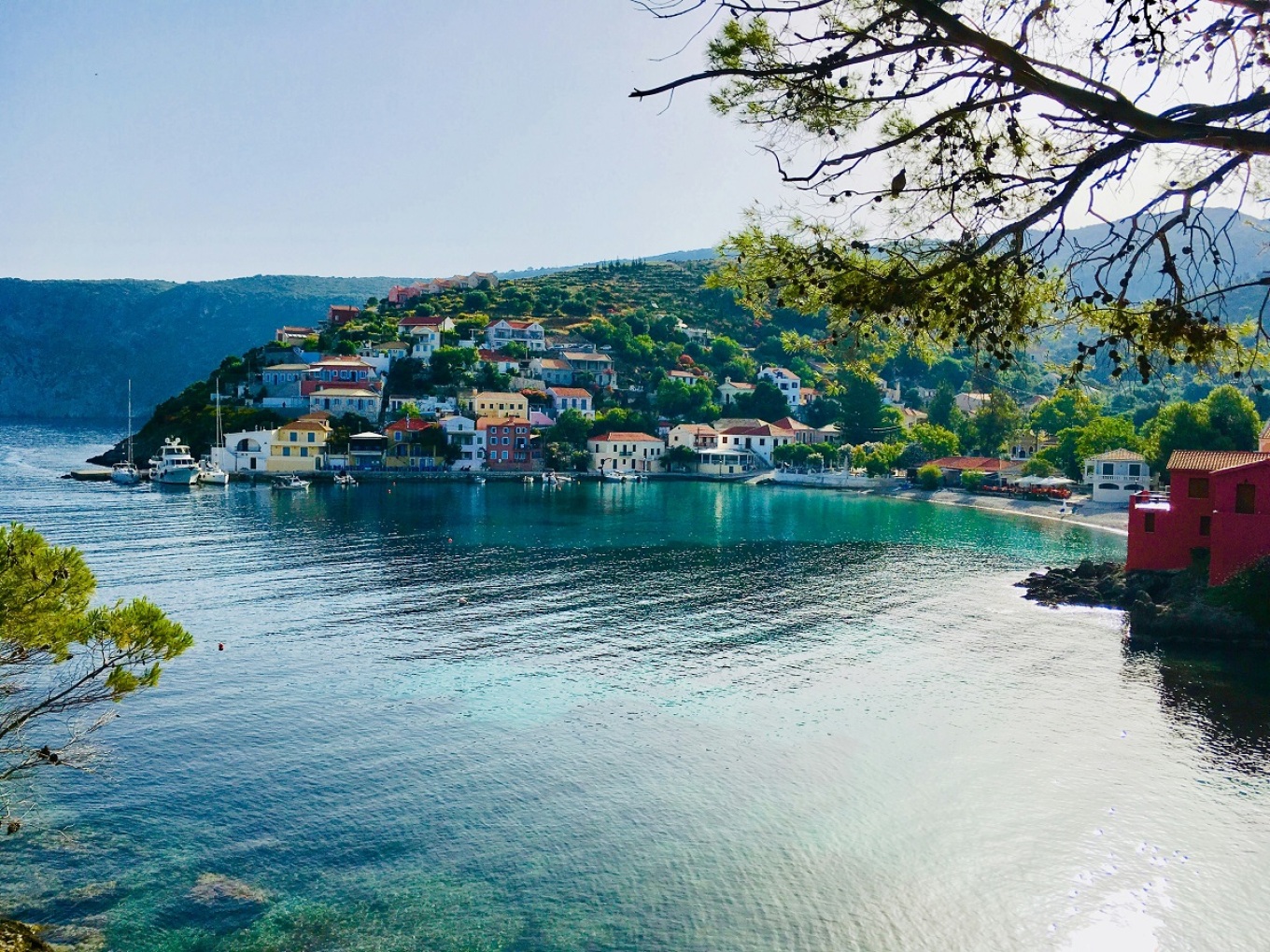
Kefalonia does not try to impress, yet its charm somehow envelops those who visit. This is partly because everything here is simply as it is—there’s no need to dress to impress in most places. But it is also due to its natural beauty: long, winding roads curve around coastal bays on one side, with dense mountain forests on the other. Follow them and you may stumble upon an underground lake or a Venetian castle, though more often you’ll end up in a beautiful fishing village where taverna tables are set right on the sand and homemade dishes are served with love.
Kastellorizo
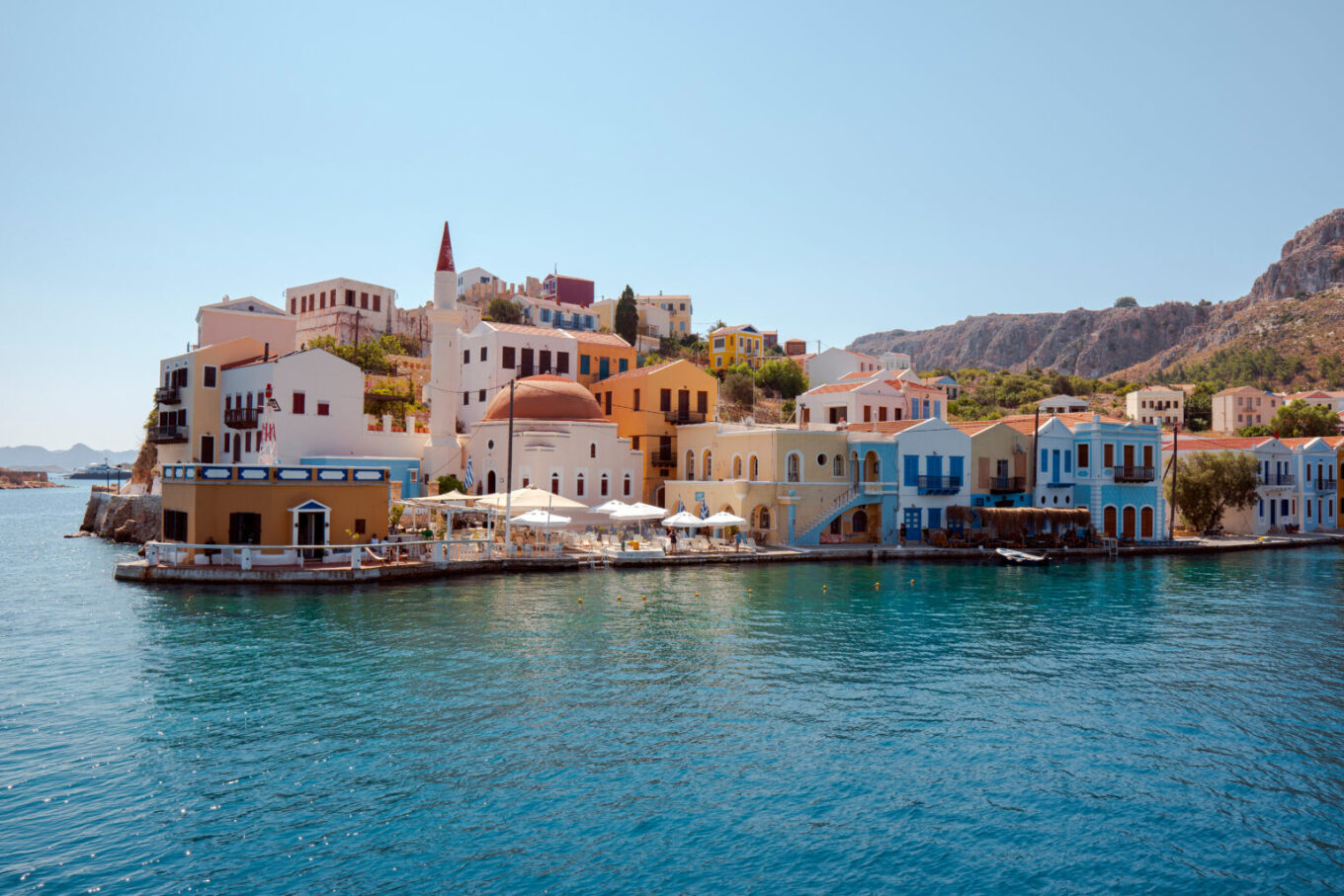
Kastellorizo has only around 500 full-time residents—a number that can triple during the summer season—and a host of well-known names have made it their Greek island of choice over the years. While it lacks the celebrity scene of Mykonos, this tiny island (less than five square miles) punches well above its weight when it comes to visitors.
Kos
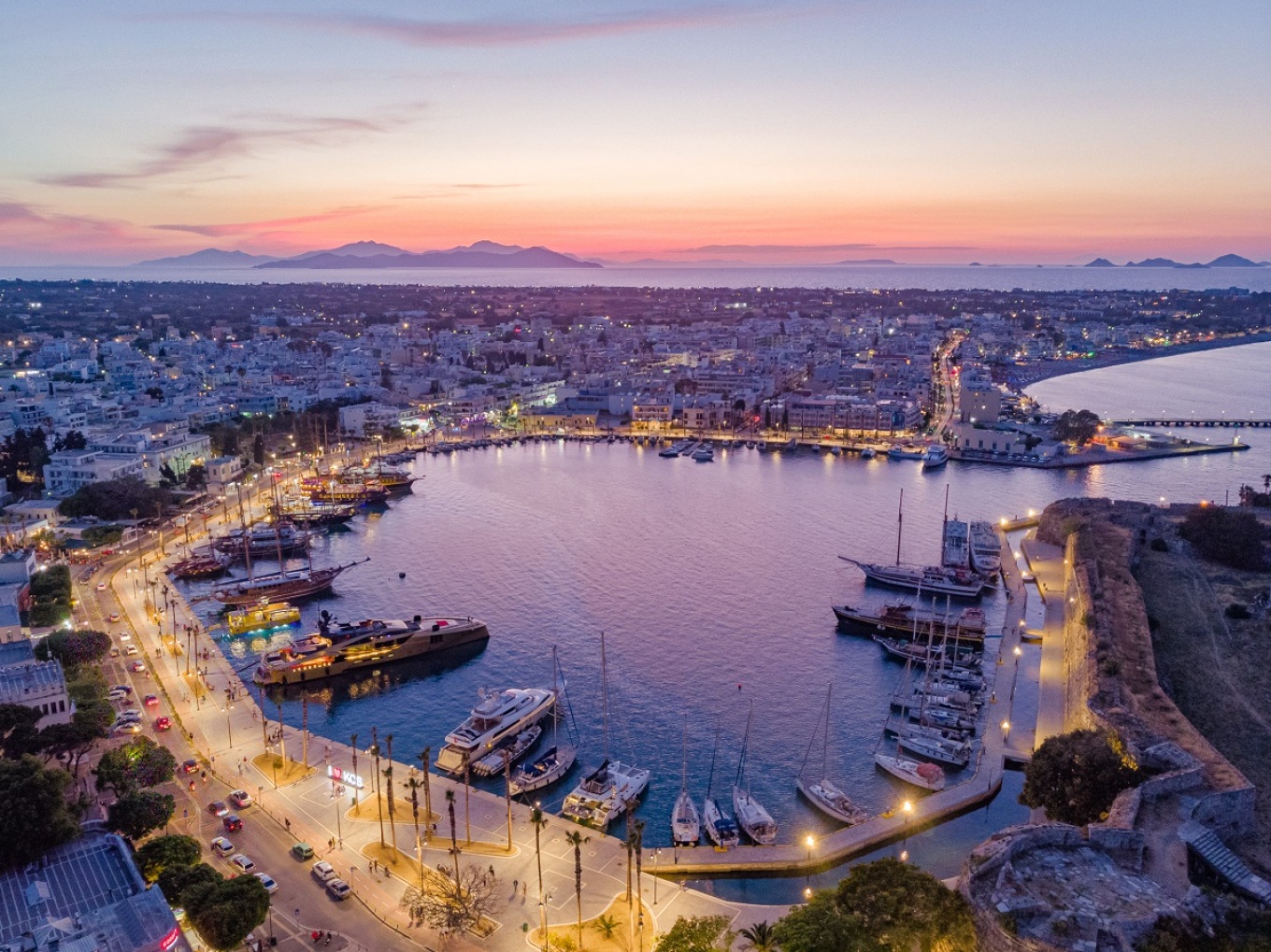
Kos has an unfair reputation, but things are changing. With that comes a more discerning visitor—one who wants to explore the island’s archaeological sites, of which there are many. Just steps from the old town harbor you’ll find the Altar of Dionysus, the Roman Odeon, the Casa Romana, and the Tree of Hippocrates, under which Hippocrates—the ancient Greek physician born on the island—is said to have taught his students. Further inland lies the 4th-century BC Asklepion of Kos, where he founded his medical school.
Leros
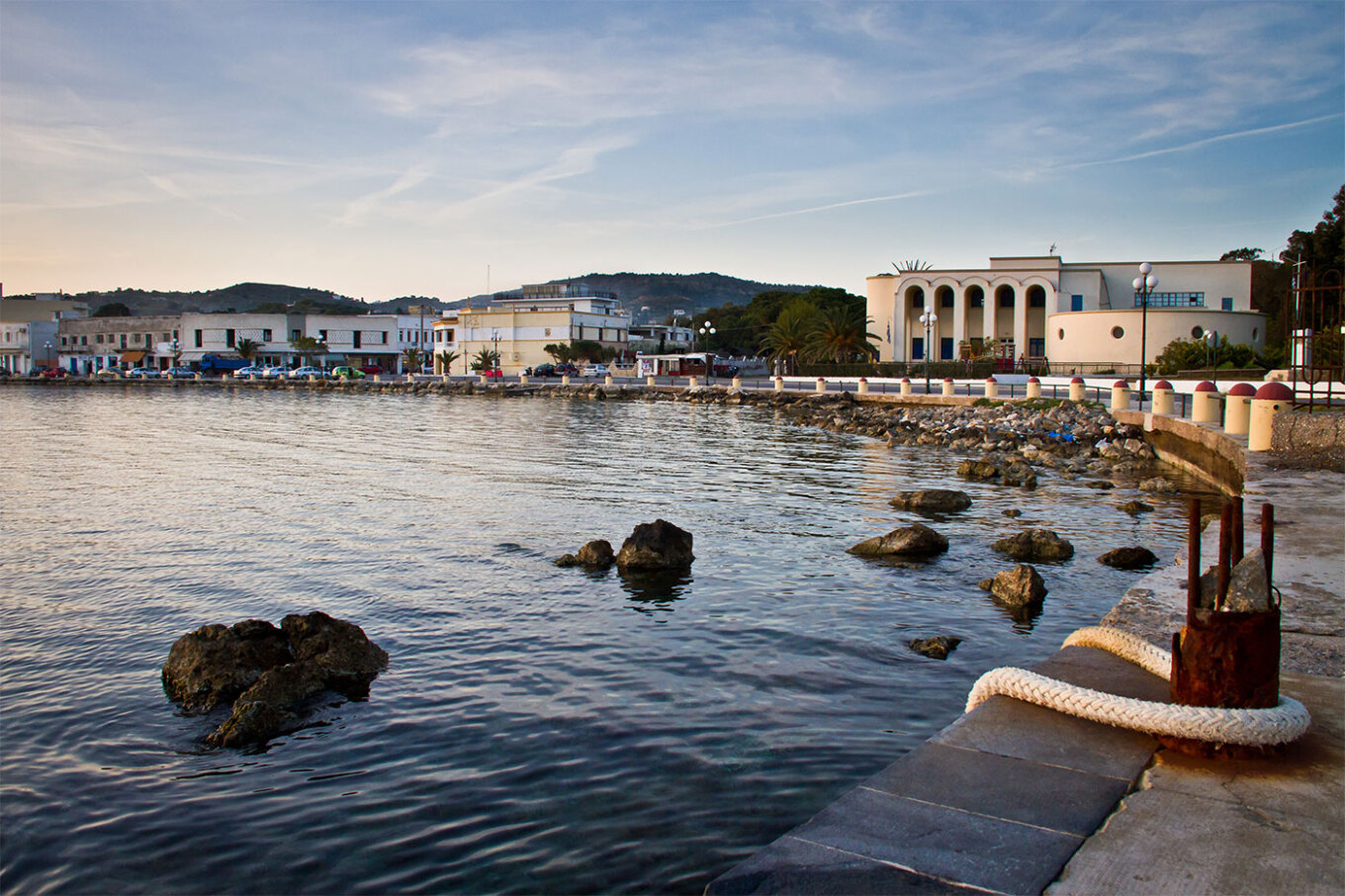
The most laid-back of all the Greek islands. Life hasn’t always been this way for this small Dodecanese island, which has a turbulent past. It served as Mussolini’s naval base, suffered heavy bombing during World War II, and—until the 1980s—was an island designated for people with supposed mental health issues. This history has left its mark, and Mussolini’s vision of a “model city” resulted in a mix of Art Deco, Modernist, and Bauhaus buildings in Lakki that feels more like a faded Miami than a Mediterranean island. Beyond its architecture, Leros has moved on from its past, with tourism emerging only in recent decades.
Santorini
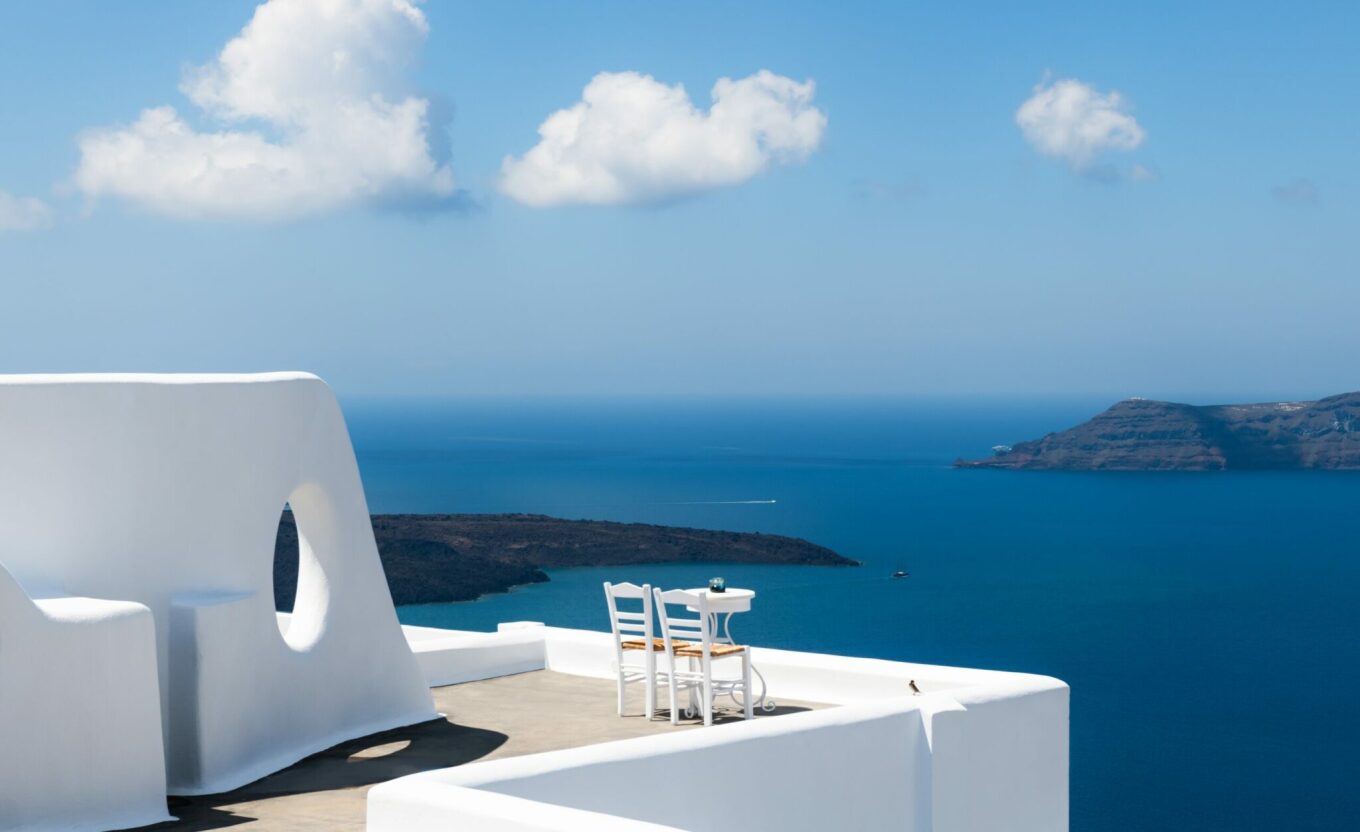
You may think Santorini is overrated—and you’d be partly right. Yes, certain spots get crowded at specific times. Yes, prices have risen exponentially compared to some of its Cycladic neighbors. And no, the beaches are not the most beautiful in Greece. But the view—oh, the view. Every cliché about the Caldera is true. Iconic, romantic, historic… it is simply one of the best sights in the world and will take your breath away. I would strongly argue that you must see it at least once in your lifetime, but I’m willing to bet you’ll return for more.
Mykonos
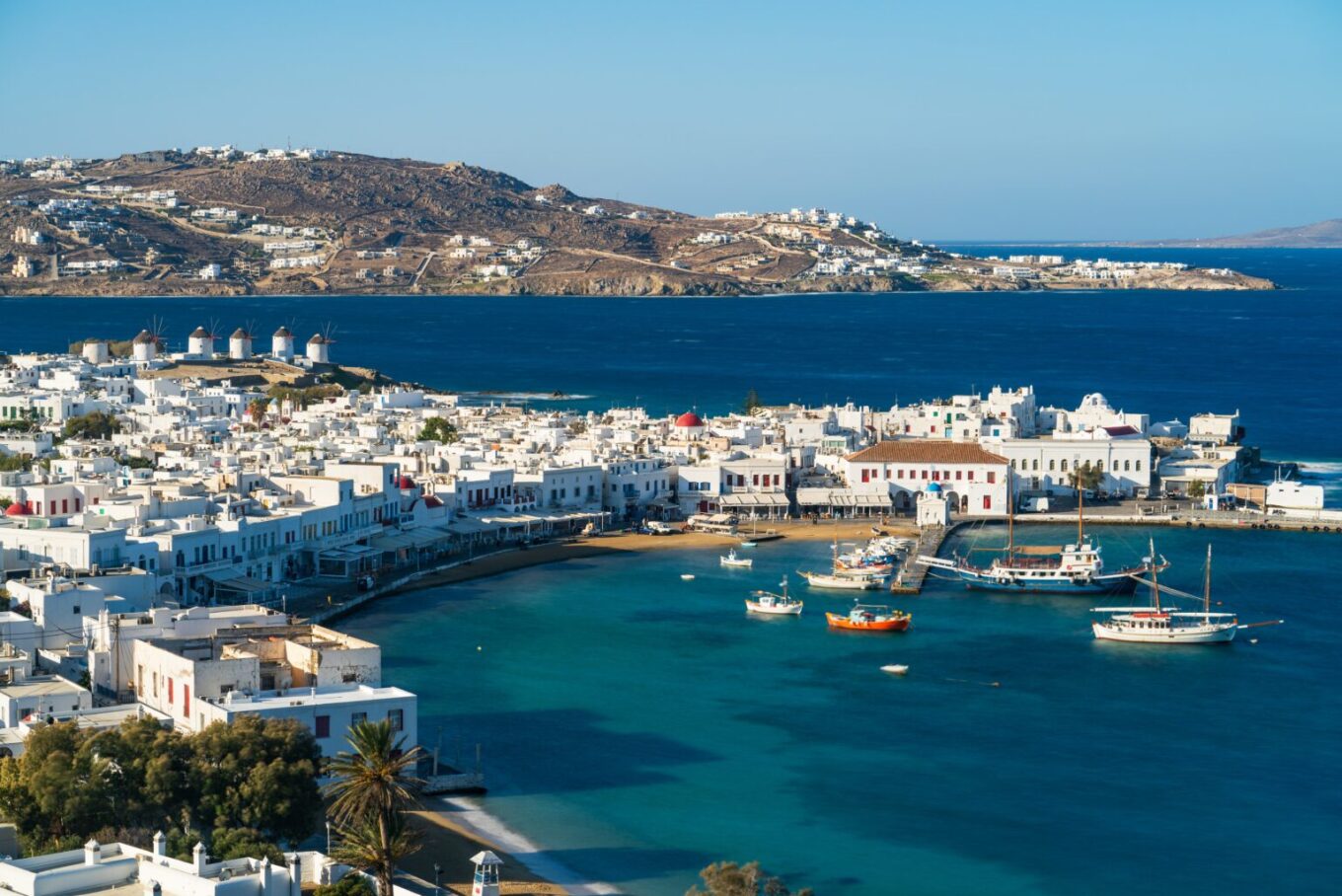
What can be said about Mykonos that you don’t already know? Quite a lot, actually. Mykonos Town is the perfect place to drink, dine, and dance until the early hours alongside the rich and famous—and it does this exceptionally well. Some of my favorite spots away from the crowds include the quieter northern coast, where tavernas with tables right on the sand dot peaceful bays. Merchia, Fokos, and Agios Sostis are among the most secluded.
Tinos
Tinos is one of those places that makes you feel both a little smug and very well-informed. Ornate dovecotes are scattered across wild landscapes, interspersed with small chapels and many villages—over 50 of them, each different from the next. The hilltop village of Volax is a personal favorite and one of the most unique in Greece: the surrounding plateau is dotted with massive granite boulders that give it an almost lunar feel, while the village itself is home to only about 50 residents and has a strong basket-weaving tradition.
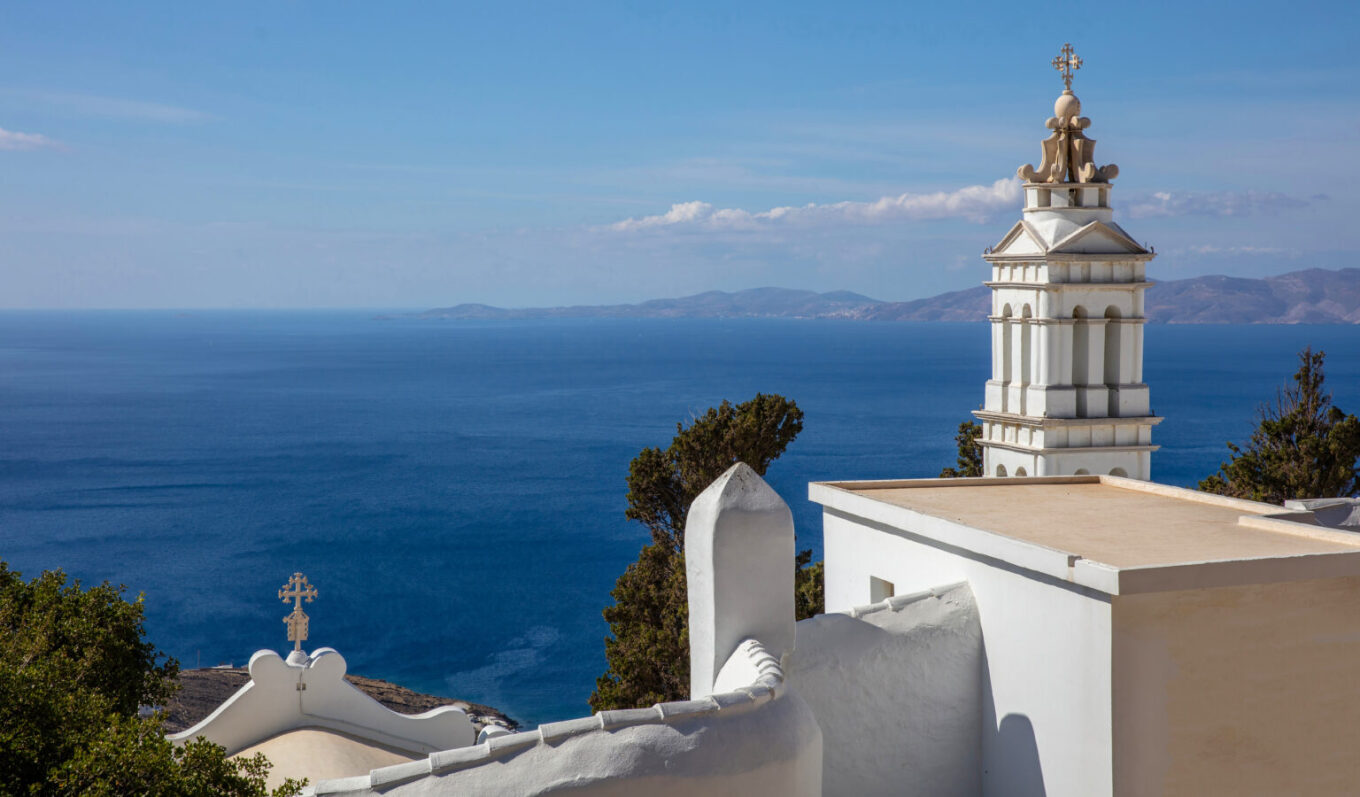
Kythnos
If you’re looking for a place to relax and enjoy some summer solitude, you’ve found it—and there are plenty of spots to do just that.
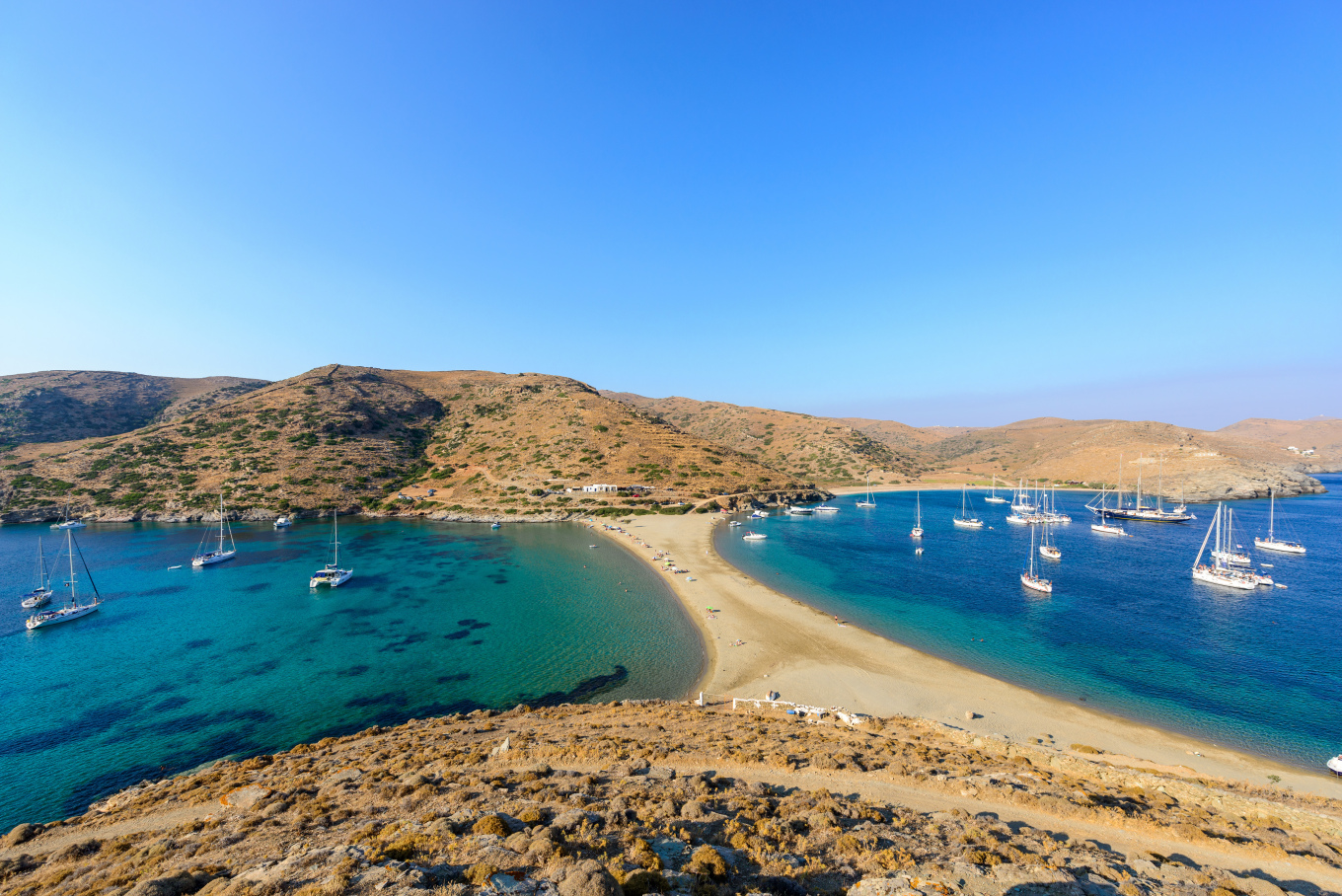
Lesvos
Lesvos is often overlooked and something of a wildcard. Spend a few weeks on the island and you’ll soon understand why it’s an ideal choice.
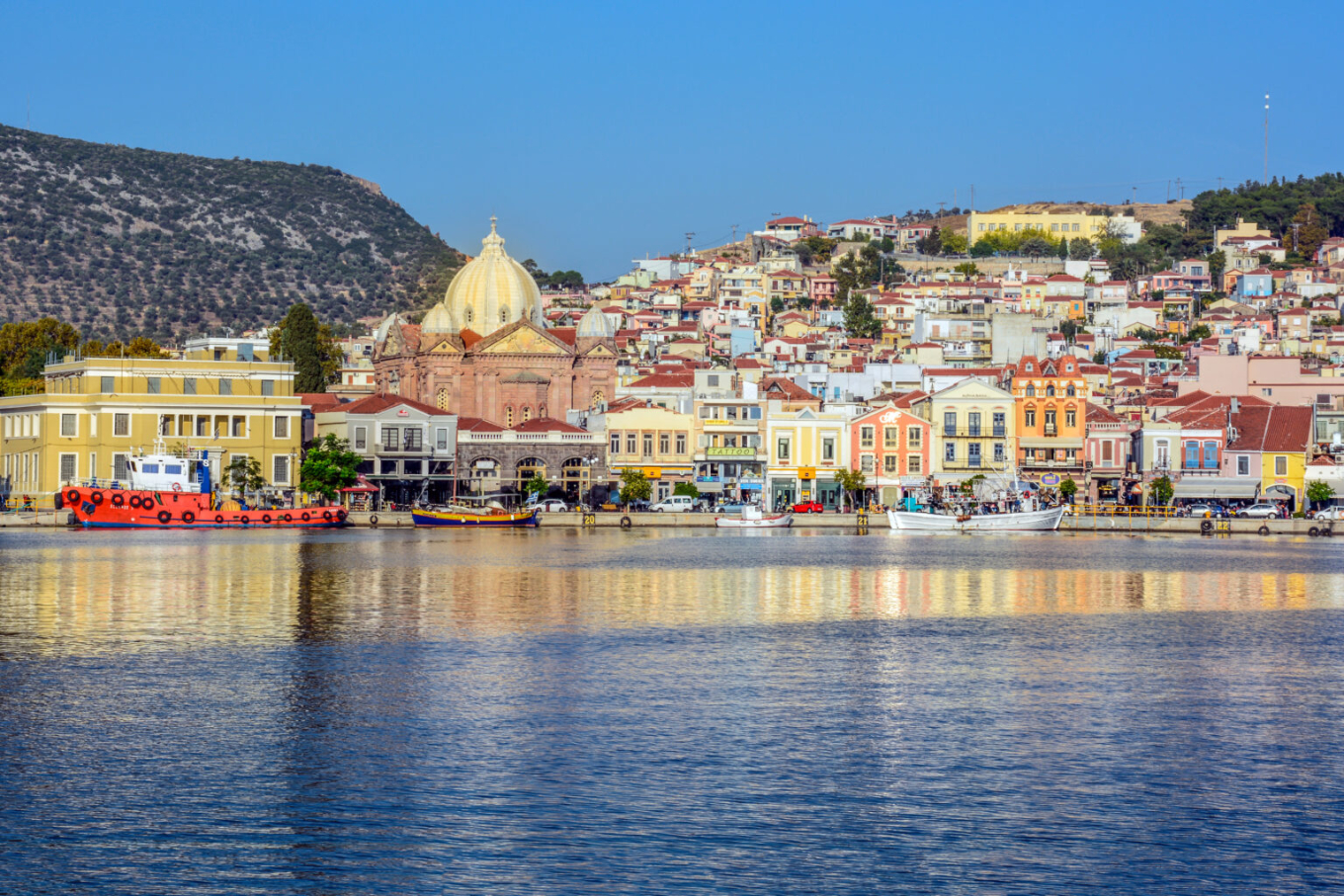
Hydra
Hydra fills with stylish Athenians on weekends and in recent years has regained its appeal among artists and fashion lovers from around the world.
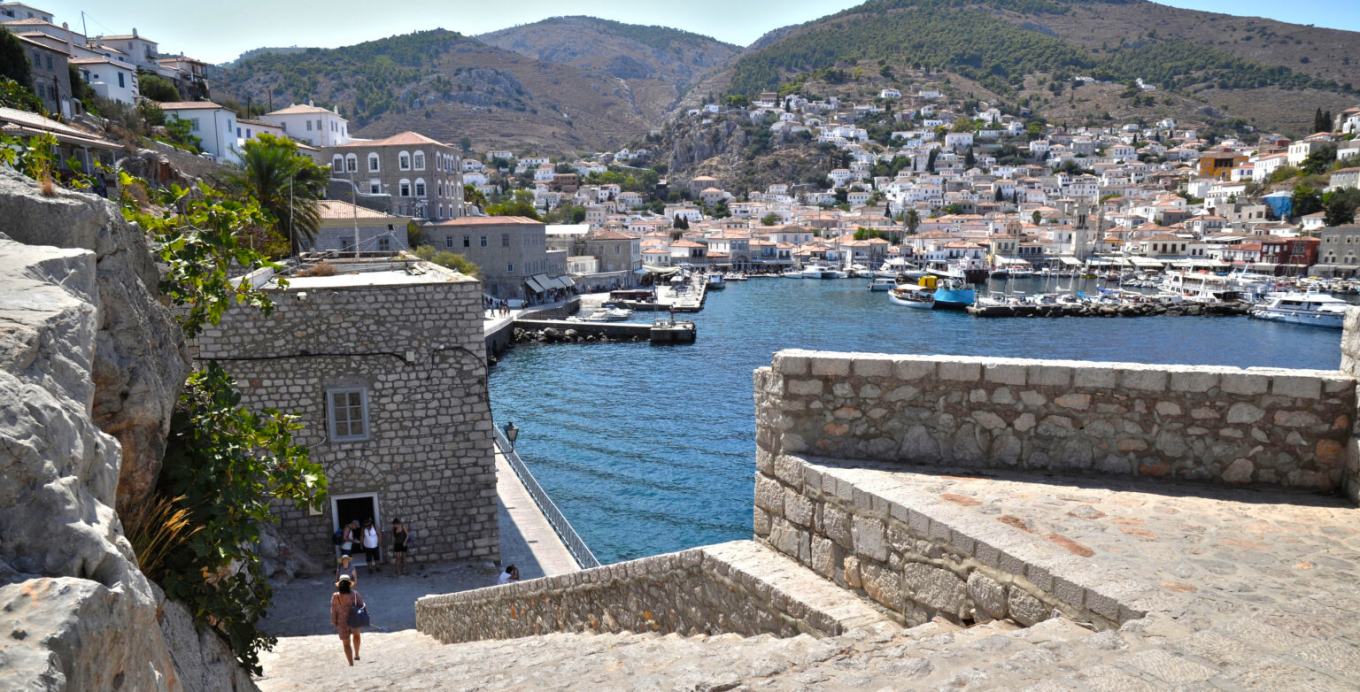
Crete
Finally, Crete is highlighted as the largest of all the Greek islands, covering more than 3,000 square miles. You’ll find countless perfect beaches, archaeological sites, beautiful old towns, wild gorges, Venetian architecture, and many child-friendly attractions.
It is also one of the best islands for food. Fertile plains and year-round sunshine provide ideal conditions for local agriculture and gardening—from wild greens grown on mountain slopes to oranges and lemons cultivated in the northwestern lowlands, and olives and olive oil produced across the island from end to end.
Ask me anything
Explore related questions