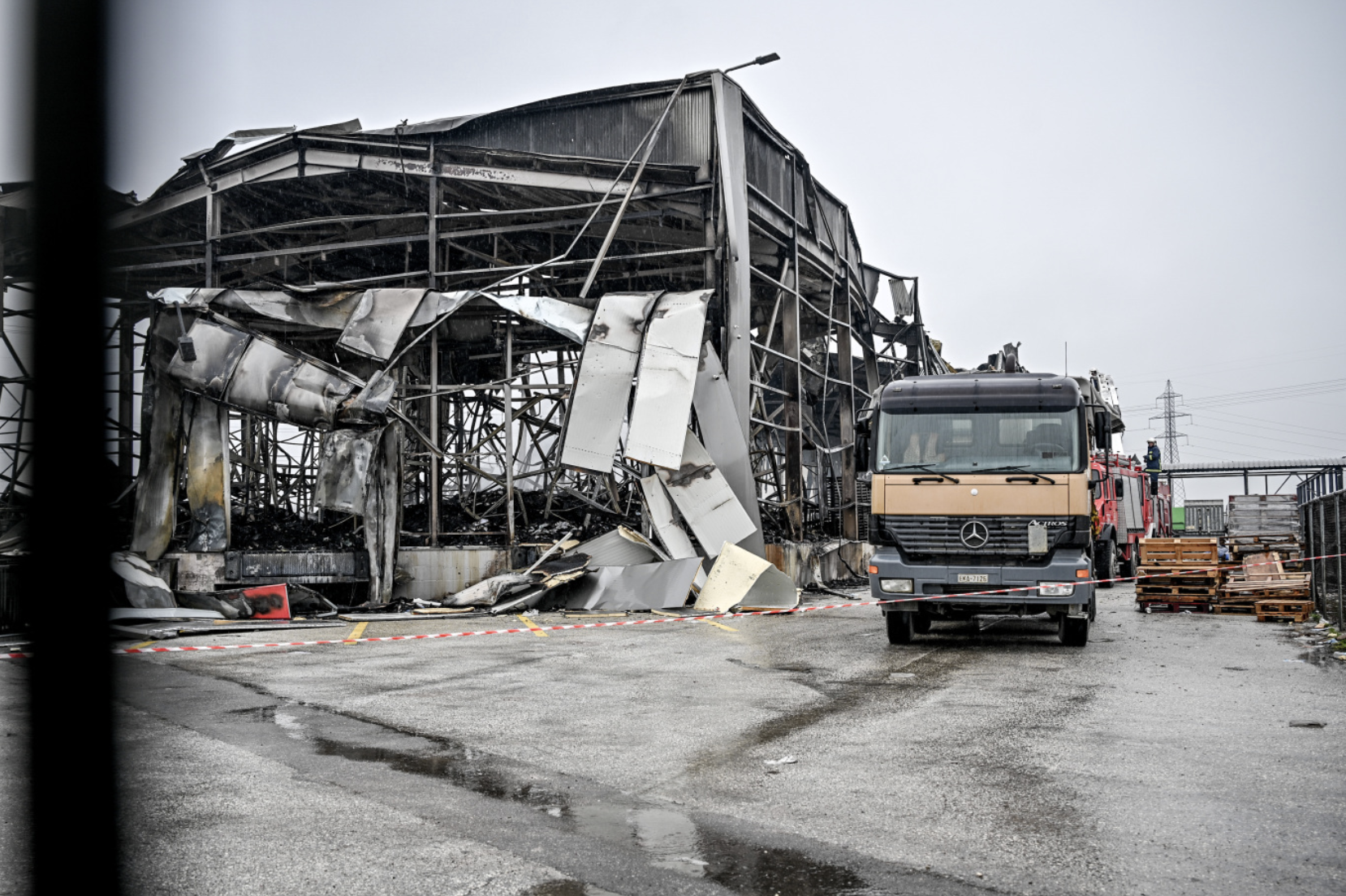





Knowledge, proper preparation, and precautionary measures are key defenses against any natural hazard. Knowing what to do before, during, and after an earthquake, fire, or flood protects not only ourselves and our people but also our property.
Fire
Starting with suburban fires, which are particularly common in Greece, i.e. fires that occur near urban centers and threaten lives, property, and biodiversity, there are simple but critical prevention measures—for example, not throwing lit cigarettes away, not burning rubbish or dry grass when there is an increased risk of fire (e.g., due to strong winds or a heatwave), avoiding outdoor barbecues and using tools that can cause sparks.
If the house is close to a woodland area, it is important to ensure that there is a 10 metre firebreak zone around it (with associated clearing and deforestation), and that vegetation is regularly pruned and thinned. At the same time, having fire extinguishers, a water hose, and – why not – a water tank with a pump that runs without electricity can literally prove to be a lifesaver in an emergency.
Flood
The floods in recent years have been frequently recorded in our country. In areas with a history of flooding, manholes and gutters must be checked to ensure that they are clean and functioning properly. It is advisable to avoid moving during heavy rainfall, as well as staying in underground areas that are at risk of flooding. Turn off power and water supplies, and even when the rain stops, avoid crossing streams on foot or by car as there is a risk of being swept away and injured. We are carefully following the instructions of the authorities.
Earthquake
Our country is characterized by intense seismic activity, and therefore, proper preparation in the event of an earthquake is essential. Prevention here starts with simple steps: fixing shelves and tall furniture, placing heavy objects in low places, and general organization of the space to reduce the risks in case of a tremor. It is also important to have some safe places within the home where occupants will take refuge in case of an emergency.
Preparing a basic survival kit (with a flashlight, radio, medicine cabinet, and important documents) is equally important in terms of prevention in the event of a fire, flood, or earthquake, as it can provide us with all the useful supplies necessary for the first critical hours of a natural disaster.
Beyond the steps we can take on our own, ensuring our property can ensure that the next day of a natural disaster finds us ready to go on with our lives uninterrupted.
National Insurance, with its modern Full Home Advance and Full Home Max plans, offers protection against damage caused by natural disasters and extreme weather events. These home insurance plans, with the addition of earthquake coverage, provide coverage for forest fires, floods, storms, hailstorms, frost, falling trees, and earthquakes. In addition, they include protection against theft, damage, damage to electrical installations, as well as civil liability for damage to third parties. At an annual cost that is not prohibitive, insurance becomes an essential investment in the face of the unpredictable and perhaps the most effective preventative measure.
Ask me anything
Explore related questions