





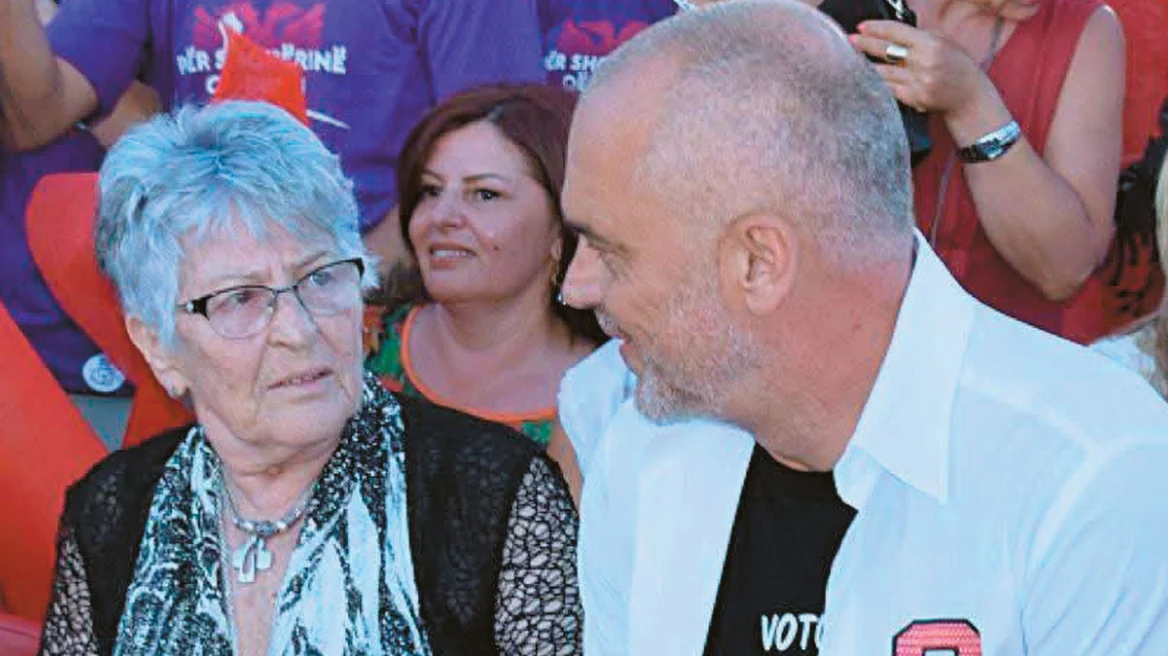
Albanian Prime Minister Edi Rama stirred controversy recently when speaking at the Knesset (the Israeli Parliament): “I am Catholic, my wife is Muslim, our two eldest children are Orthodox, and the youngest may one day choose to become Jewish,” he said to Israeli lawmakers, adding that Albania was the only country with more Jews at the end of the Nazi occupation, emphasizing that Albanians supported them.
In mid-January, during the Sustainable Development Summit in Abu Dhabi, Rama told Greek-American journalist John Defterios, “You are not a descendant of Plato and Aristotle as you think.” But is he?
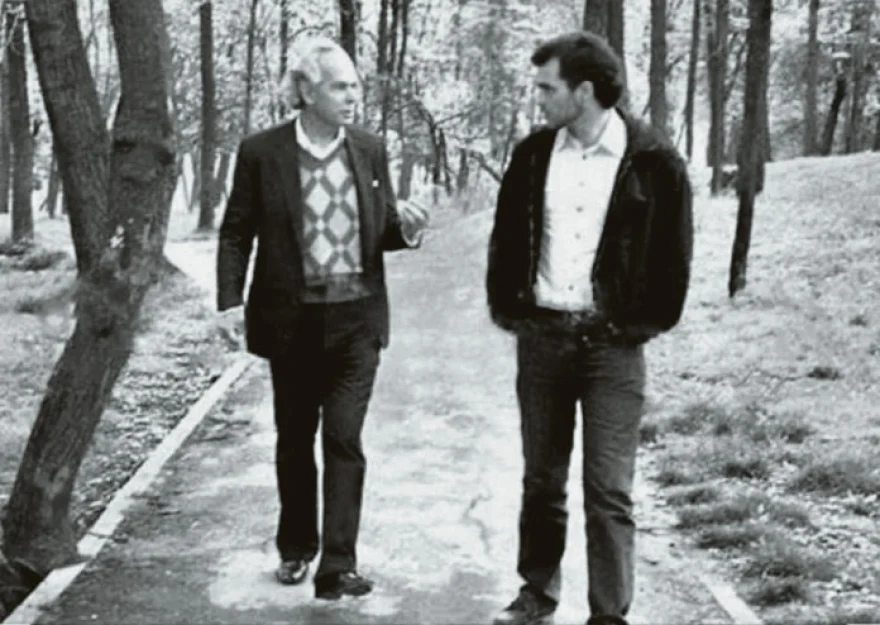
Edi Rama was born on July 4, 1964, in Tirana as Edvin Kristaq Rama. However, on November 27, 2002, he officially changed his name to Edi Rama, as he is known today. His father, Kristaq Rama (1932-1998), was born in Durrës. Kristaq was a sculptor and during the communist regime of Hoxha in Albania, he created many statues and had excellent relations with the Communist Party. However, there are dark spots in his history, such as signing off on the execution by public hanging of poet Havzi Nela.
His father was an idol for Rama. When Kristaq Rama died, Edi was in Paris working as a painter. Upon arriving in Albania, he removed his earring, cut his beard and long hair, and decided to stay in the country. “I came to Albania to bury a part of my childhood, to bury my best friend, thus going through the hardest day of my life,” he later said.
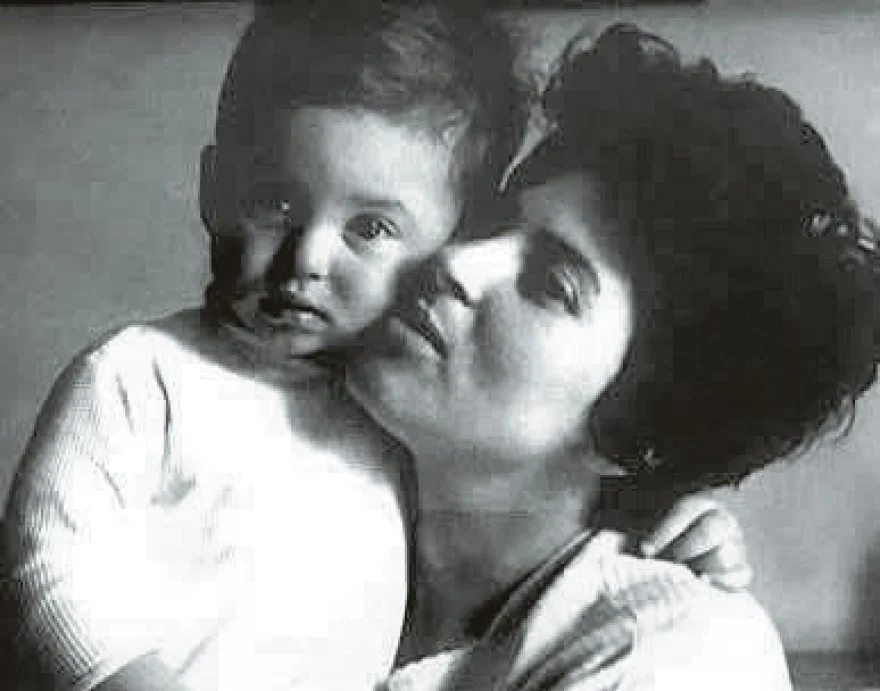
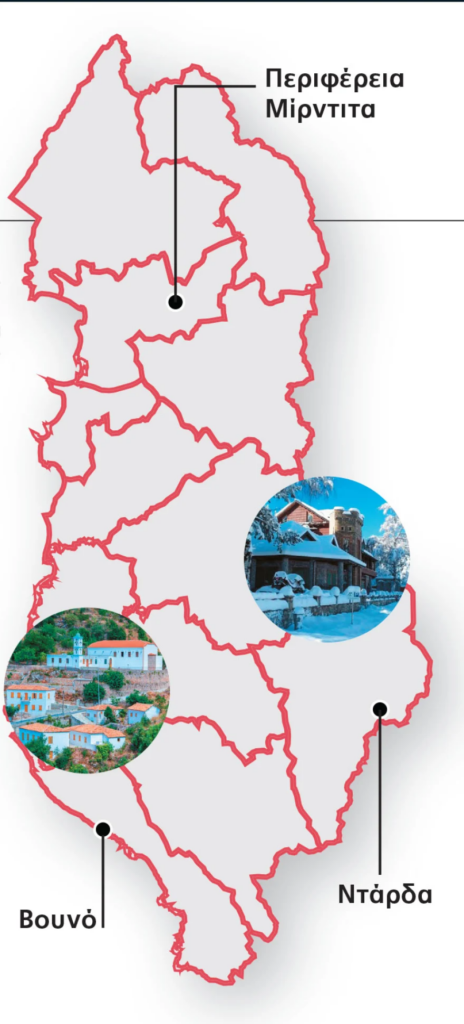
Rama’s mother was Aneta Rama (1938-2020). She was born in the village of Vuno in southwestern Albania. Her family was one of the most prominent in the area. Aneta Rama studied dentistry in Poland.
Her uncle was Spyros Thoma Koleka (1908-2001), a graduate of Italian universities, who rose to high ranks in the Albanian communist and government hierarchy under Hoxha. He not only served on the Political Bureau of the Albanian Communist Party but held various ministerial positions.
Her ancestor was Spyros Gkogou (Georgiou) Koleka (1880-1940), vice president of the first Albanian Senate (1920) and a parliamentarian until 1924. When King Zogu took power in 1924, Christian elements faced persecution. Spyros Gkogou Koleka disagreed and self-exiled to Austria, where he had studied political engineering, later moving to Croatia, Italy, and finally Corfu. Newspapers of the time called him “highly knowledgeable in Greek” and noted he condemned the persecution of Christians in Albania by the country’s Muslims. Zogu was dethroned in 1939. That same year, Koleka returned to his homeland, but his health had severely deteriorated. He died in 1940.
Don’t awaken the past
For some strange and inexplicable reason, Edi Rama presents different facts about his ancestry without evidence. The village of Vuno, his mother’s birthplace, is purely Greek. In the 1913-1914 census by the International Control Commission in Northern Epirus, Vuno (Vounos) was part of the Himara district. It had 950 inhabitants, all Greeks, and 4 Greek schools. Rama has claimed something completely different—that the Koleka family originates from the Mirdita region in northwestern Albania, far from Greek areas, and that the surname Koleka derives from the words Kol Leka.
The same applies to his father’s family. His great-grandfather was a supporter of Albanian independence and advocated the operation of Albanian schools. He was from Berat, about 70 km north of Gjirokastër and 70 km south of Tirana. From there, he moved to Durrës. Other ancestors came from the village of Darda, southwest Albania near Korçë. In the same 1913-1914 census, the village was referred to as Darda in Greek and Albanian, part of one of the three Korçë districts. It had 1,500 inhabitants, all Greeks, with 5 Greek schools. Notably, in 1913-14, more than 350 Greek schools operated in Northern Epirus, but only two Albanian schools (both in Korçë)! Nevertheless, Northern Epirus was ceded to Albania by a drawn border on paper. An on-the-ground demarcation has never been done to this day.
Basketball and painting
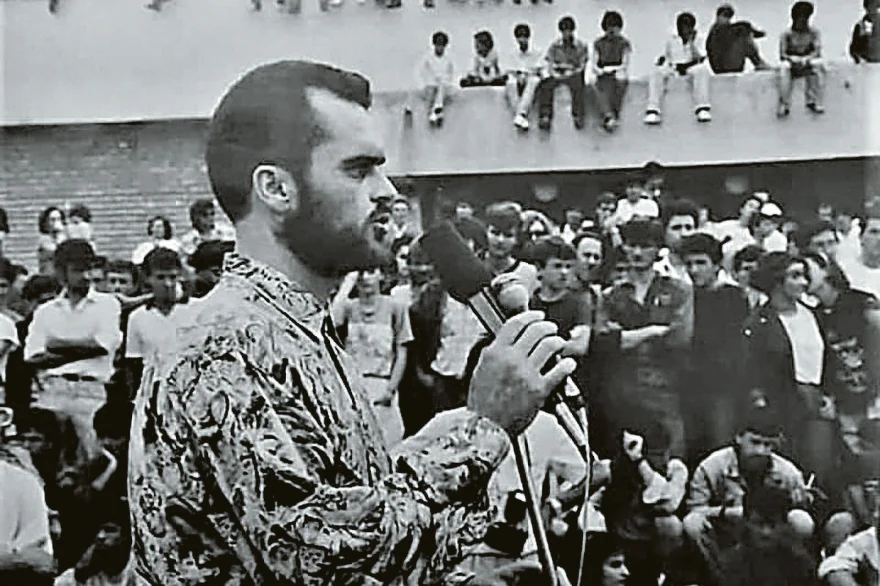
Edi Rama is 1.98m tall (though his brother Olsi claims he has shrunk by 4 cm in recent years due to fatigue and long hours at the desk). He played basketball for Dinamo Tirana and the Albanian national team. Alongside sports, he showed talent in painting from his teenage years. He attended the Jordan Misja Artistic High School and graduated. In 1982, at age 18, he enrolled in the Academy of Arts in Tirana. After graduation, he worked as a professor there. During these years, he became politically active, organizing open student protests criticizing the communist government under Ramiz Alia (who succeeded Enver Hoxha in 1985). Essays from these meetings were published in the book Reffeksione in 1992, co-authored with journalist Ardian Klosi. Rama rarely talks about this book.
Edi Rama as Prime Minister
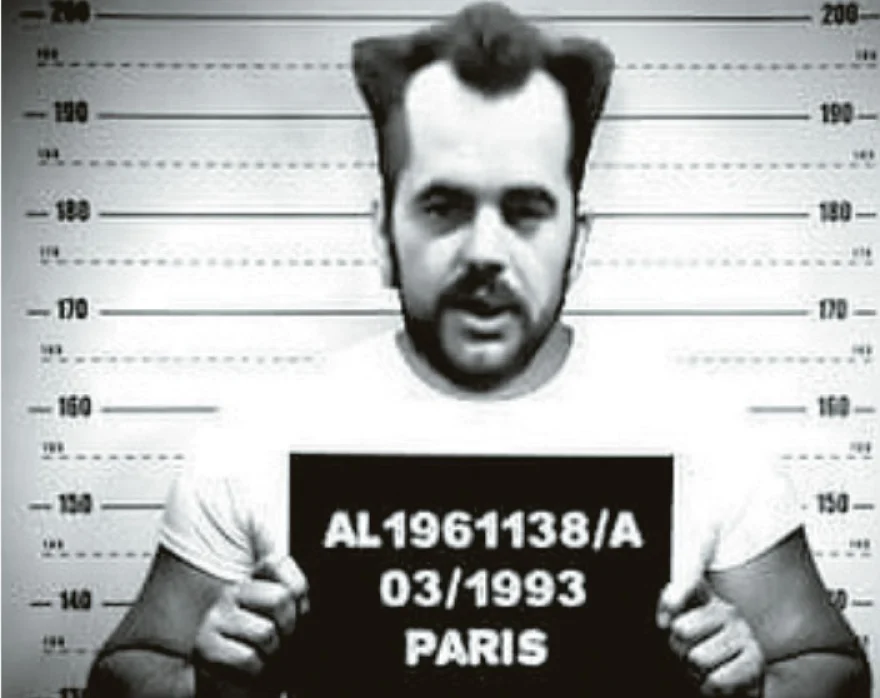
Rama started in the Democratic Party of Sali Berisha but soon disagreed and left. In 1994, he moved to France to pursue a painting career with friend and video artist Anri Sala. His first art exhibition was actually in Corfu, Greece, in 1990.
In 1997, he was violently attacked in Albania, likely by secret police, after some of his statements. He was hospitalized and after recovery returned to France but came back permanently in 1998 after his father’s death.
In 1998, Albania’s Prime Minister Fatos Nano unexpectedly called him to offer a ministerial post as Minister of Culture, Youth, and Sports. He gained fame for his eccentric style (hoodies, colorful vests, wide pants, red socks) but later adopted suits.
In 2000, he ran for mayor of Tirana, supported by the Socialist Party, and won easily. As mayor, he initiated major urban renewal projects, earning recognition from UN Secretary-General Kofi Annan in 2004 as World Mayor.
Rama attended mayoral lectures at Harvard in 2003 through the “Kokkalis Program,” an initiative by Greece, which reportedly related to his Greek heritage on his mother’s side, though he denies it. Until 2009, Rama regularly visited Greece, often invited by George Papandreou.
After the Socialist Party’s defeat in 2005, Rama became its leader and simultaneously mayor of Tirana. He narrowly lost the 2009 parliamentary elections amid fraud claims but won in 2013, becoming prime minister. His government’s priorities included EU accession, economic revival, public order, and democratization.
He has won elections in 2017, 2021, and 2025, becoming Albania’s first four-time prime minister. His tenure saw economic growth and a crackdown on drug trafficking (notably in Lazarat in 2014), though illegal drug trade grew to represent a third of Albania’s GDP by 2017. His interior minister, Saimir Tahiri, was convicted of drug trafficking participation. His government is often accused of corruption, leading to protests and unrest.
Rama and his family
Rama has been married twice and has two sons, Greg and Zaho, and a stepdaughter, Rea. He married actress Matilda Makoci in 1986; they had Gregor. They divorced in 1991. Rama had a relationship with German artist Eva and later with TV presenter Rudina Magjistari. In 2010, he married economist Linda Basha, with whom he has a son, Zaho, and who is mother to Rea from her previous marriage.
Did Albanians protect the Jews?
Albania claims, including Rama, that it was the only country with more Jews after WWII than before. From 1933-1939, King Zogu invited Jews to settle in Albania and offered protection. When Italy occupied Albania in 1939, they sought to repatriate foreign Jews, but this was largely unsuccessful due to Albanian resistance. The Albanian code of honor (“besa”) helped protect Jews. However, under Nazi occupation, Jews and those helping them faced execution. Some Jews were captured and sent to Dachau, where they died.
Under Hoxha’s regime, Albania was hostile to Jews, especially after 1967 when Albania declared itself an atheist state and persecuted all religions. After communism fell, nearly all Jews emigrated, mostly to Israel. There were about 200 Jews in Albania in 1939 and roughly 2,000 by the war’s end; today, about 40-60 remain.
Rama pursues a consistently pro-Turkish policy, maintaining close ties with Erdogan’s Turkey, while showing inexplicable antipathy towards Greek interests. This may explain his contradictory and unsubstantiated claims about his origins, despite the clear Greek roots on his mother’s side and likely on his father’s side as well.
Ask me anything
Explore related questions


