




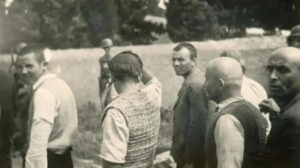
One of the most abhorrent crimes committed by the German occupation forces in Greece—the execution of 200 communists on May 1, 1944, in Kaisariani—has resurfaced following the revelation of documentary photographs that appeared at auction on eBay by a Belgian collector. The Greek Ministry of Culture is seeking to claim the material.
The Communist Party of Greece (KKE) identified two of the executed individuals from the photographs, drawing on its historical archive.
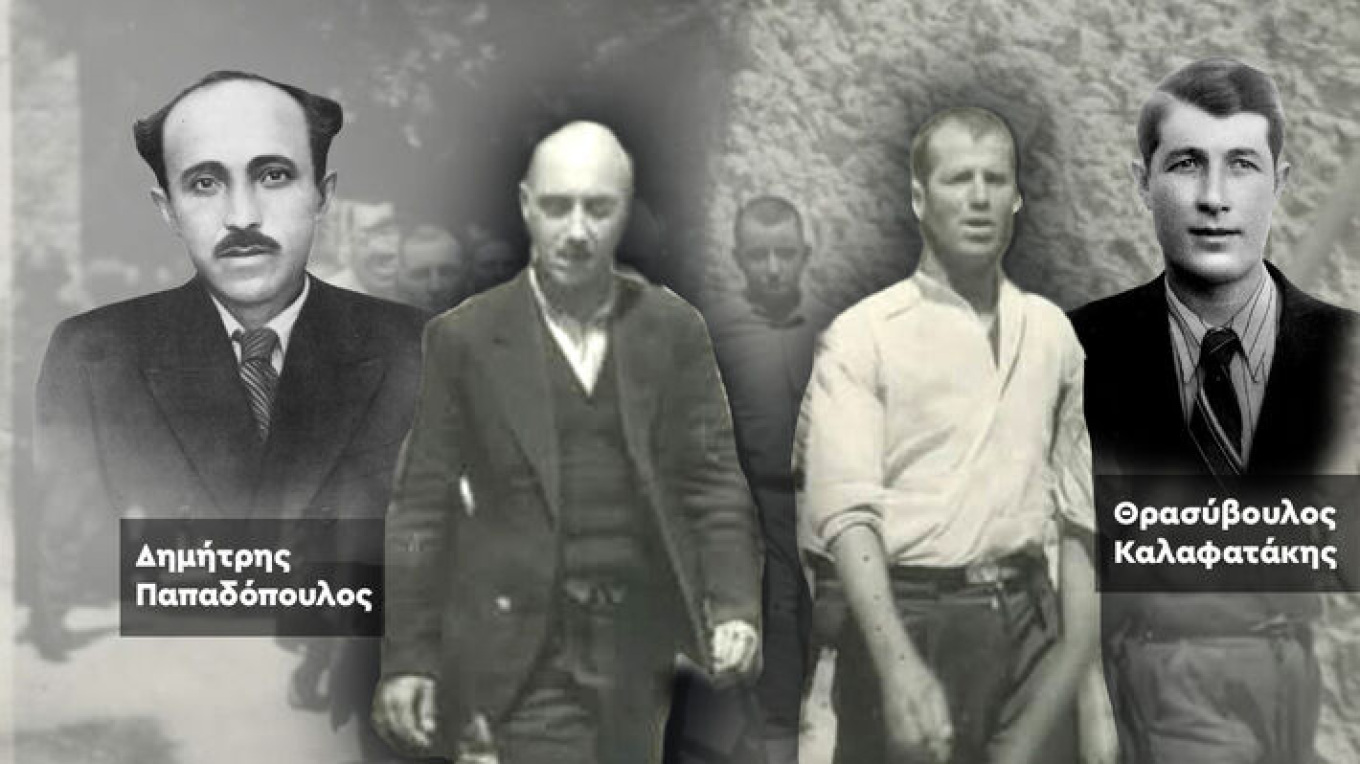
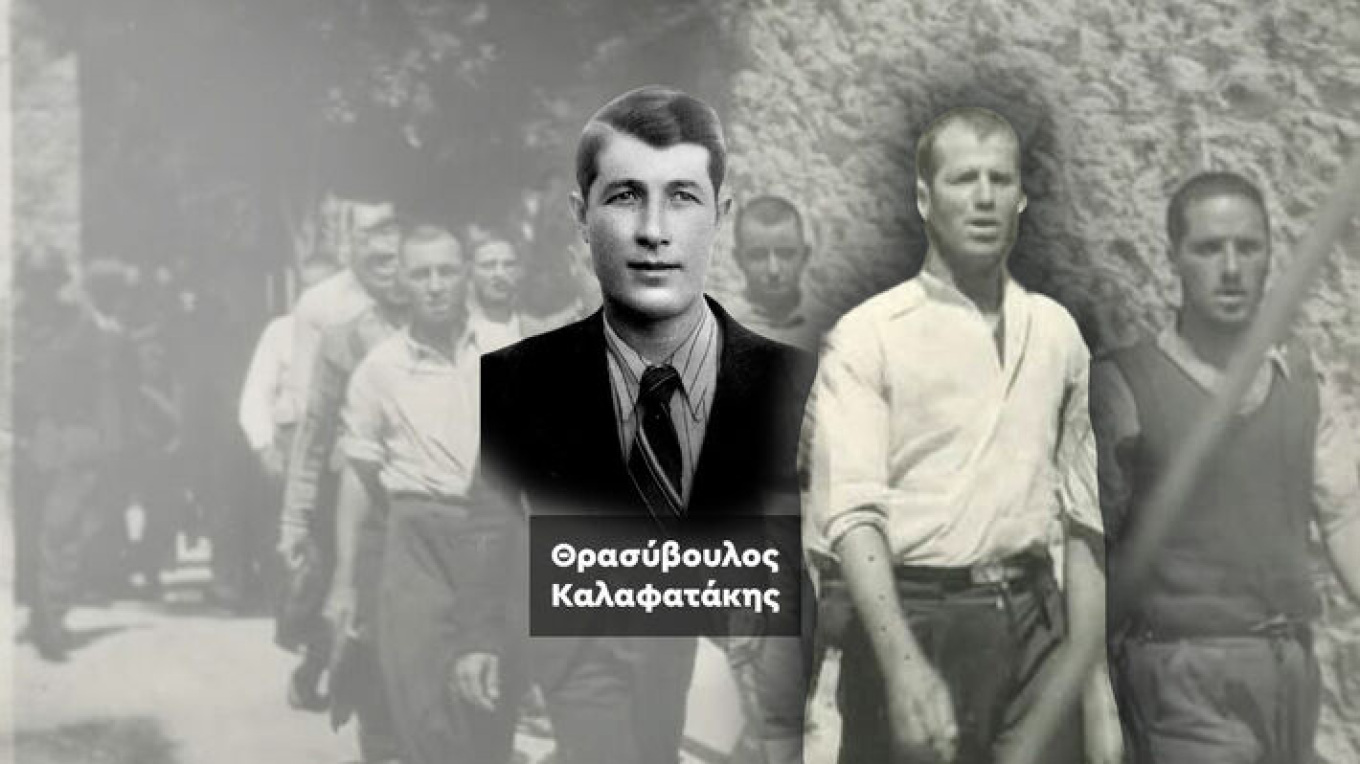
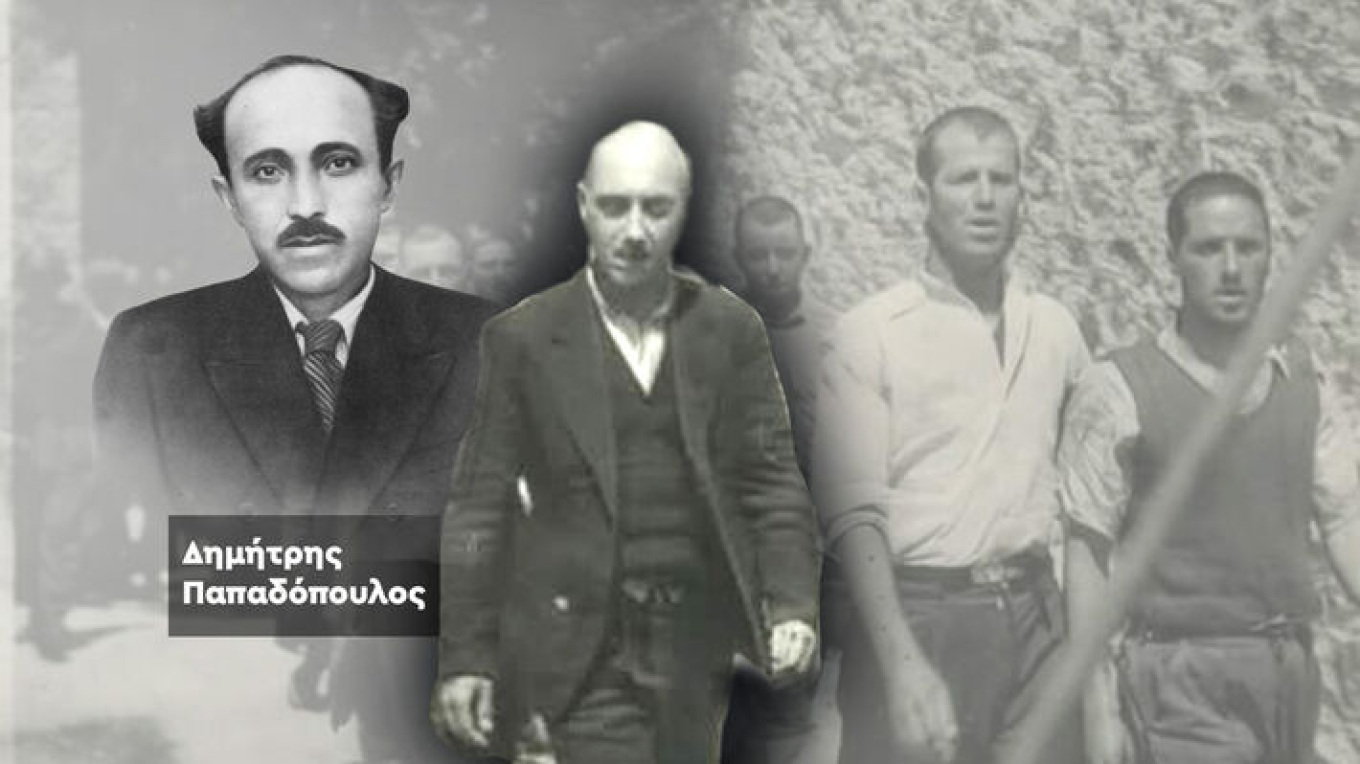
According to the party’s website, 902.gr, research to date indicates that one of the photographs likely depicts 30-year-old Thrasyvoulos Kalafatakis—the man in the white shirt—and Dimitris Papadopoulos of Pontic origin, shown to his left.
What remains is the authentication of the material and the full identification of all persons shown in the photo collection, which so far has been attributed to German Lieutenant Hermann Hoyer, who served in the 1012 Festungs-Bataillon, based in Malakasa and later at Isthmia.
At the same time, efforts by the Ministry of Culture are underway to acquire the photographs with the aim of donating them to the Hellenic Parliament, as discussed between Lina Mendoni and Nikitas Kaklamanis.
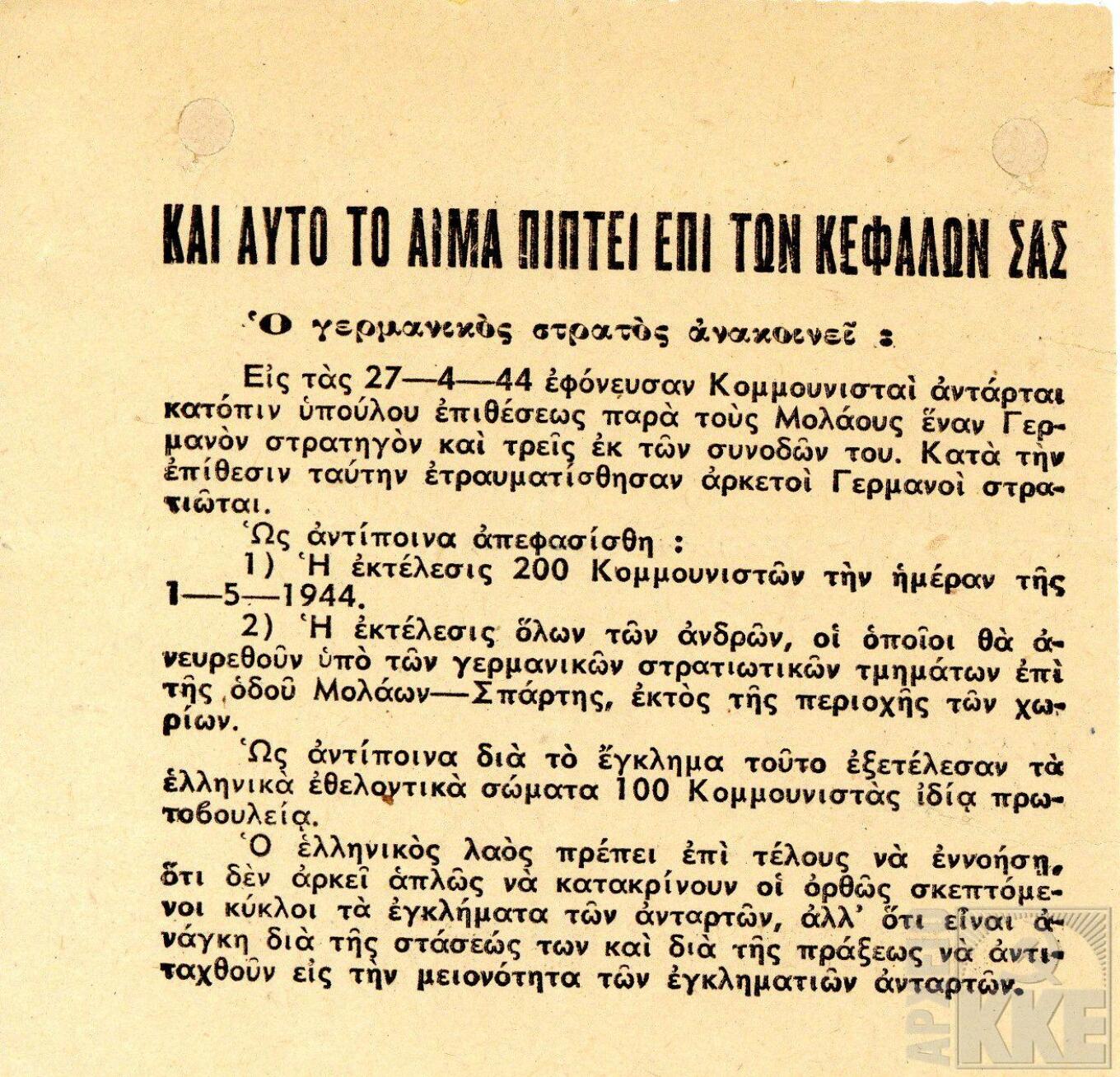
The mass execution of the “200” in Kaisariani on May Day 1944 was carried out as retaliation by the German occupation authorities for an ambush by ELAS partisans on April 27, 1944, in Laconia, during which German Major General Franz Krech and members of his escort were killed.
In their announcement, the Nazi authorities stated that executions would take place “in retaliation for the attack on the motorcade of the 41st Fortress Division in southeastern Peloponnese.”
They also reported that Greek “voluntary units”—as they referred to the Security Battalions of Dionysis Papadongonas—executed another 100 communists in the area. Papadongonas, organizer of the Peloponnese Security Battalions, was later killed during the December events (Dekemvriana).
The 200 Executed
Those executed at the Kaisariani Shooting Range were mainly political prisoners (the vast majority communists). About 170 were former “Akronaupliotes”—people imprisoned since the Metaxas dictatorship of August 4—while the rest were former exiles on Anafi.
Testimonies say that 200 graves had been dug at the Third Cemetery of Nikaia to receive the bodies.
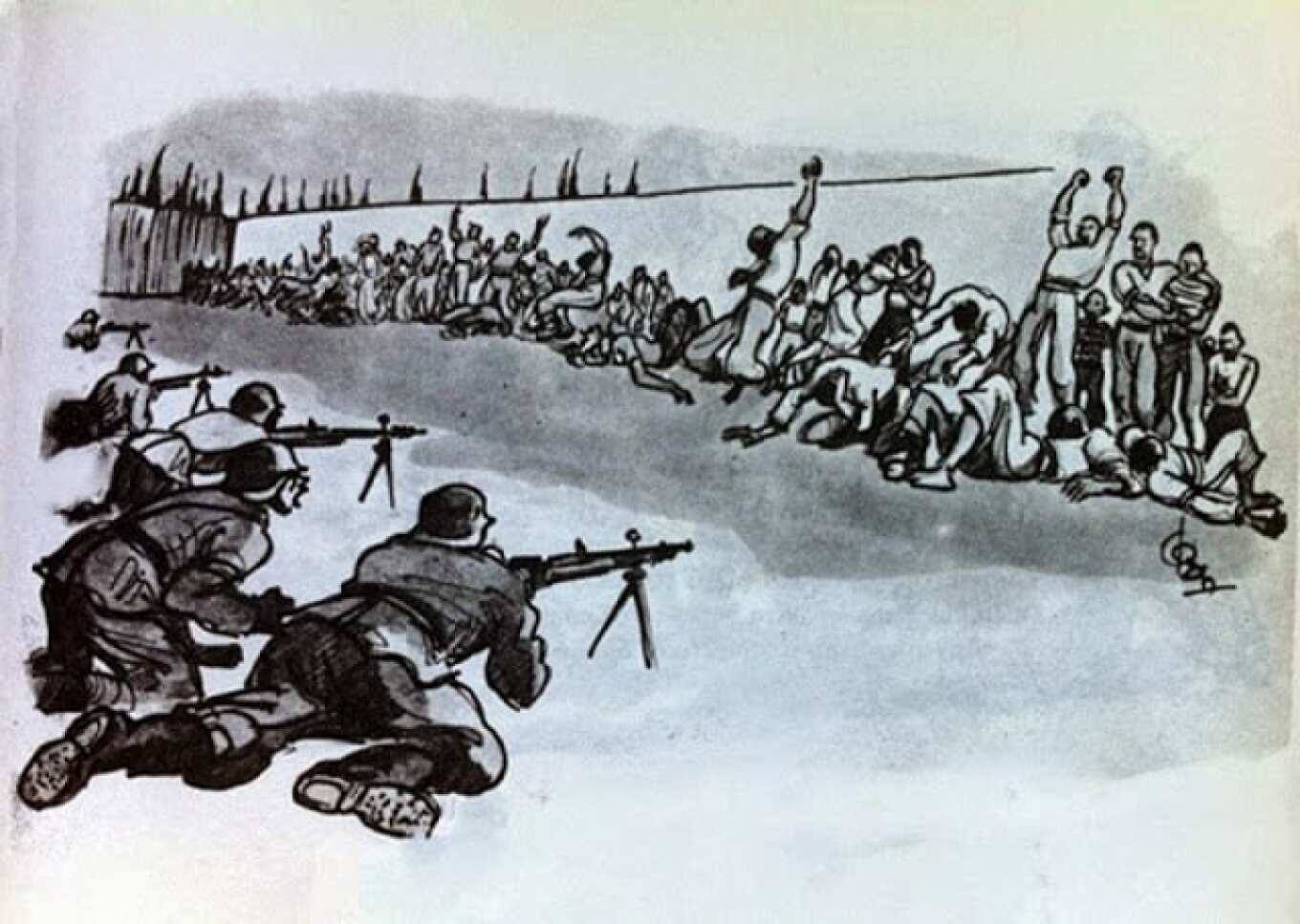
From dawn, the condemned—political prisoners and exiles—were transported by truck from the Haïdari concentration camp to the Kaisariani Shooting Range, something likely captured in one of the newly revealed photographs.
Along the way, they sang, wrote notes to relatives and comrades, and threw them onto the road. The 200 were lined up against the wall and executed by German troops. Their bodies were taken to the Third Cemetery. Their clothes were delivered the same day to the Archdiocese for identification, after occupation authorities refused to release the names of the executed.
Because no family knew where their loved one was buried, each family adopted one grave, placed their relative’s name on it, and tended it. Identification was completed years later during exhumations, with the help of the Panhellenic Association of Occupation Victims “The Phoenix.”
Harrowing Testimonies
Ioanna Tsatsou writes in Leaves of Occupation:
“I picked up a jacket. The elbows were badly worn. […] In another jacket—a simple identity card, just a name. In another, nothing, not even that. In yet another, a note […] By evening the storeroom emptied and the wailing subsided. The vile Nazis must have known something, which is why they would not give the names.”
One of the executed was Dimitris Christakopoulos. His son Dionysis recalled:
“We didn’t learn the terrible news that same day. The next day my grandmother, who lived in Peristeri, informed us. A few days later they sent us my father’s clothes. When my mother saw the parcel she fainted. I opened it and found inside a photo of my mother with my little sister, covered with glass and taped. On it was written: ‘Dimitris Christakopoulos, May 1, ’44, they are taking us to be executed.’”
From the book Haïdari, Fortress and Altar of the National Resistance by Antonis Flountzis, Victoria Georgoula and Katina Tsirka-Flountzi recount the burial at the Third Cemetery:
“The blood ran from the trucks—they were still warm. Some seemed to be breathing. I heard faint moans. The Germans, with weapons and shouts, pushed and struck us, forcing us to work fast to finish the burials.”
Relics
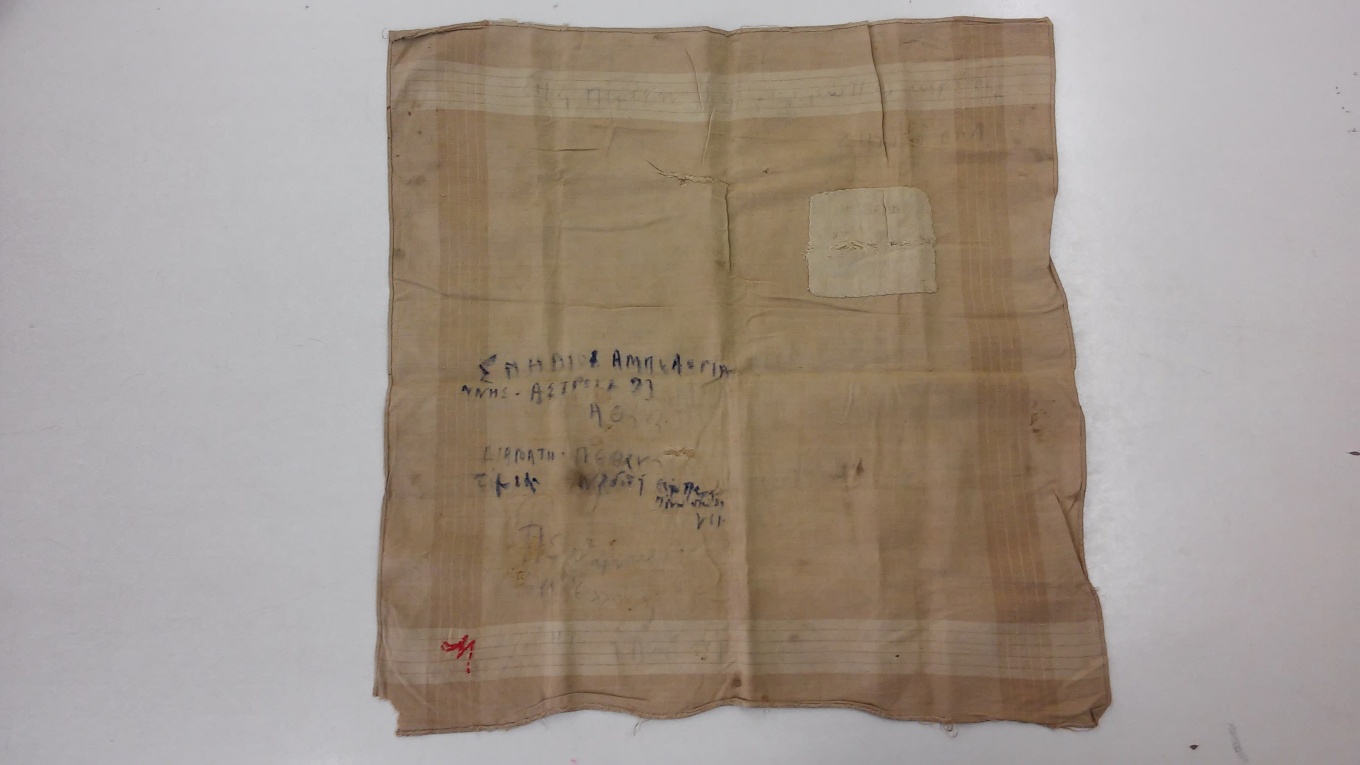
In the KKE historical archives there is also the handkerchief of Spilios Ambeloggiannis, a worker from Anemochori, Ilia—one of the 200 communists executed. It had been buried for years in a tin in a courtyard in Kolonos. Written in pencil on its edge:
“Ambeloggiannis Spilios, son of Konstantinos. 93 Astrous Street, Kolonos. This is how honest Greeks die. I die proud. Long live Freedom. Greek passer-by, take this garment to the above address. It is the last wish of a man who knows how to die for freedom. Long live the Greek People.”
Biographical Notes (as released by the KKE)
Thrasyvoulos Kalafatakis
Aged 30. Born in 1914 in Platanias, Chania, Crete. A farmer and dairyman, married with two daughters. Active from a young age in the communist movement, imprisoned repeatedly from the Metaxas dictatorship onward, transferred through Averoff Prisons, Akronauplia, Larissa, and Haïdari. Executed on May 1, 1944, at Kaisariani. The Municipality of Chania later named a street after him.
Dimitris Papadopoulos
Of Pontic origin. A leading construction workers’ unionist, organizer of labor struggles from 1928–1936. Arrested, imprisoned, exiled under the August 4 dictatorship, handed over to the Germans in 1941, transferred to Haïdari, and executed with the 200 on May 1, 1944.
The execution of the 200 in Kaisariani remains a defining symbol of sacrifice and resistance, preserving the memory of those who faced death with dignity and defiance.
Ask me anything
Explore related questions